
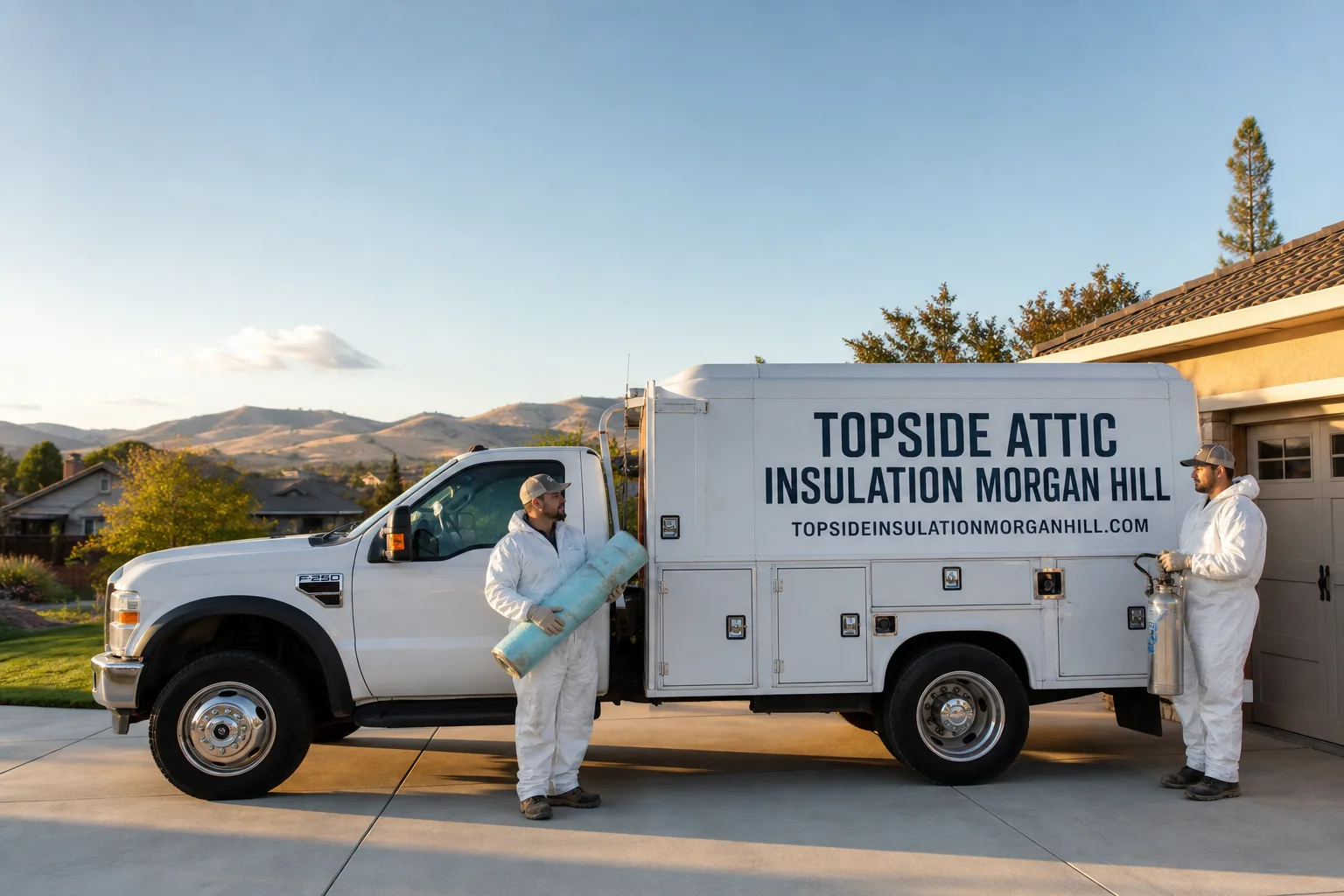
How Much Does a Home Energy Audit Cost in Morgan Hill?
A Home Energy Audit in Morgan Hill, CA typically costs between $300 and $650 for a standard blower-door-based assessment of a single-family home. Larger homes above 2,500 square feet, or homes requiring infrared thermography and a full HVAC evaluation, can run $650 to $950. Most Morgan Hill homeowners we work with land somewhere in the $350-$500 range.
Home Energy Audit Cost Breakdown (2026)
A home energy audit in Morgan Hill isn’t a single service – it’s a stack of diagnostic tests, each with its own labor and equipment cost. Here’s how those pieces typically price out in this market:
| Audit Component | Typical Cost Range | Notes |
|---|---|---|
| Blower-door test only | $150 – $250 | Pressurization test that produces a single CFM50 leakage reading |
| Basic visual audit + blower-door | $300 – $450 | Most common entry point; includes written findings report |
| Blower-door + infrared (IR) camera scan | $450 – $650 | IR identifies exact leak locations invisible to the naked eye |
| Full building envelope audit | $550 – $800 | Attic, walls, crawl space, windows, and mechanical systems assessed |
| Full audit + HVAC duct leakage test | $650 – $950 | Duct blaster test added; necessary when duct runs are in unconditioned space |
| Utility rebate-qualifying HERS audit | $400 – $700 | Completed by a certified HERS rater; required for most PG&E incentive programs |
What moves a Morgan Hill job toward the top of these ranges is usually square footage, access complexity, and the age of the home. A 1,400-square-foot ranch-style tract home built in the 1980s near Cochrane Road is a straightforward afternoon. A 3,200-square-foot two-story on East Main Avenue built before 1975 – with a multi-zone HVAC, a vented crawl space, and original single-pane windows – takes considerably longer and involves more diagnostic equipment. Expect to pay for what you’re asking the auditor to look at.
One thing worth knowing: if the audit leads directly to air sealing and insulation work, many contractors – including us at Envelope Insulation Co. – apply the audit fee toward the project cost. That’s not a promotional claim; it’s standard practice in this market and worth asking about when you’re comparing quotes.
What Affects Home Energy Audit Pricing in Morgan Hill
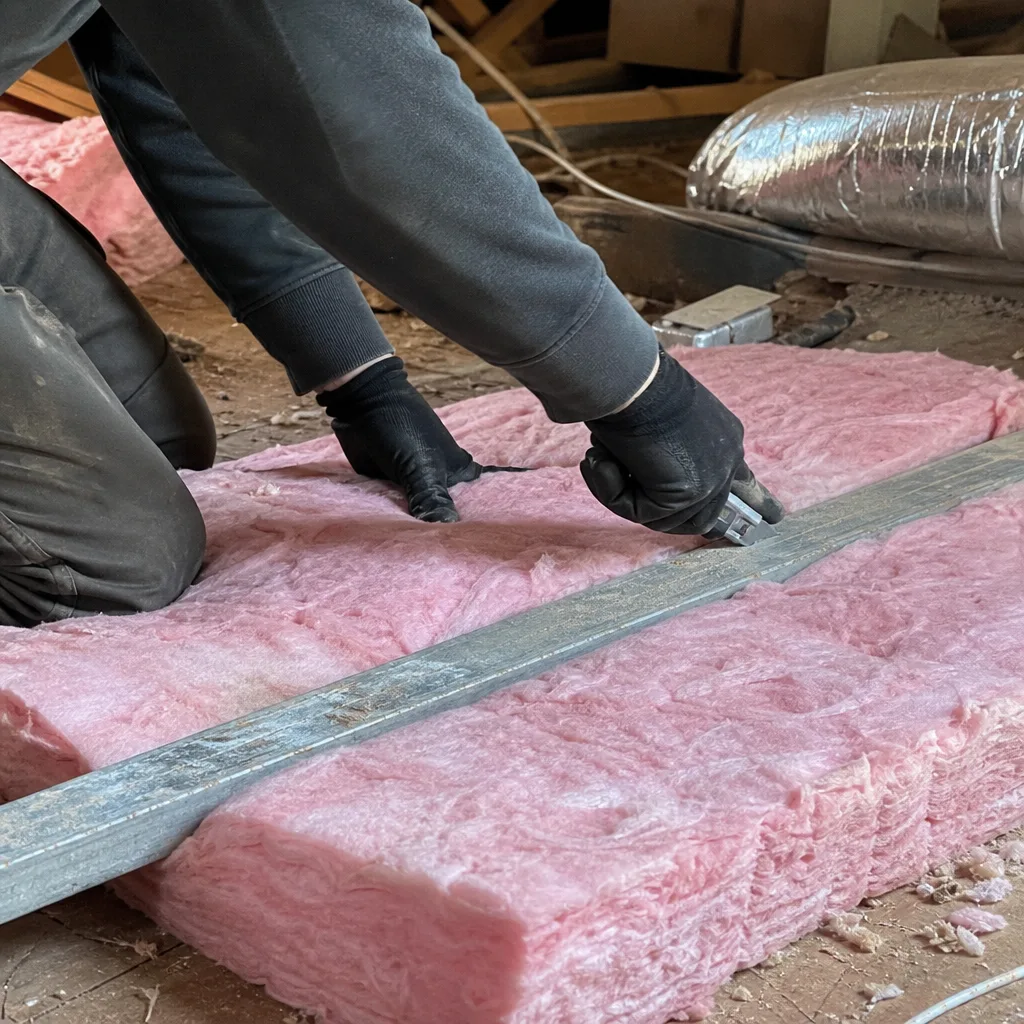
- Home square footage and stories: A single-story home under 1,800 square feet is straightforward to test and document. Two-story homes, especially those with vaulted ceilings or multiple attic sections – common in the Madrone and Lyons neighborhoods – add time to both the blower-door setup and the IR scan.
- Construction era and building type: Morgan Hill has a broad mix of housing stock. Homes built before 1985 in the East Main Avenue corridor often have minimal attic insulation, original can lights that dump directly into the attic, and no air barrier at the top plate. These homes take longer to assess precisely because there’s more to find. Newer construction in developments like Borello Ranch or Madrone Village may be tighter but still benefit from verification.
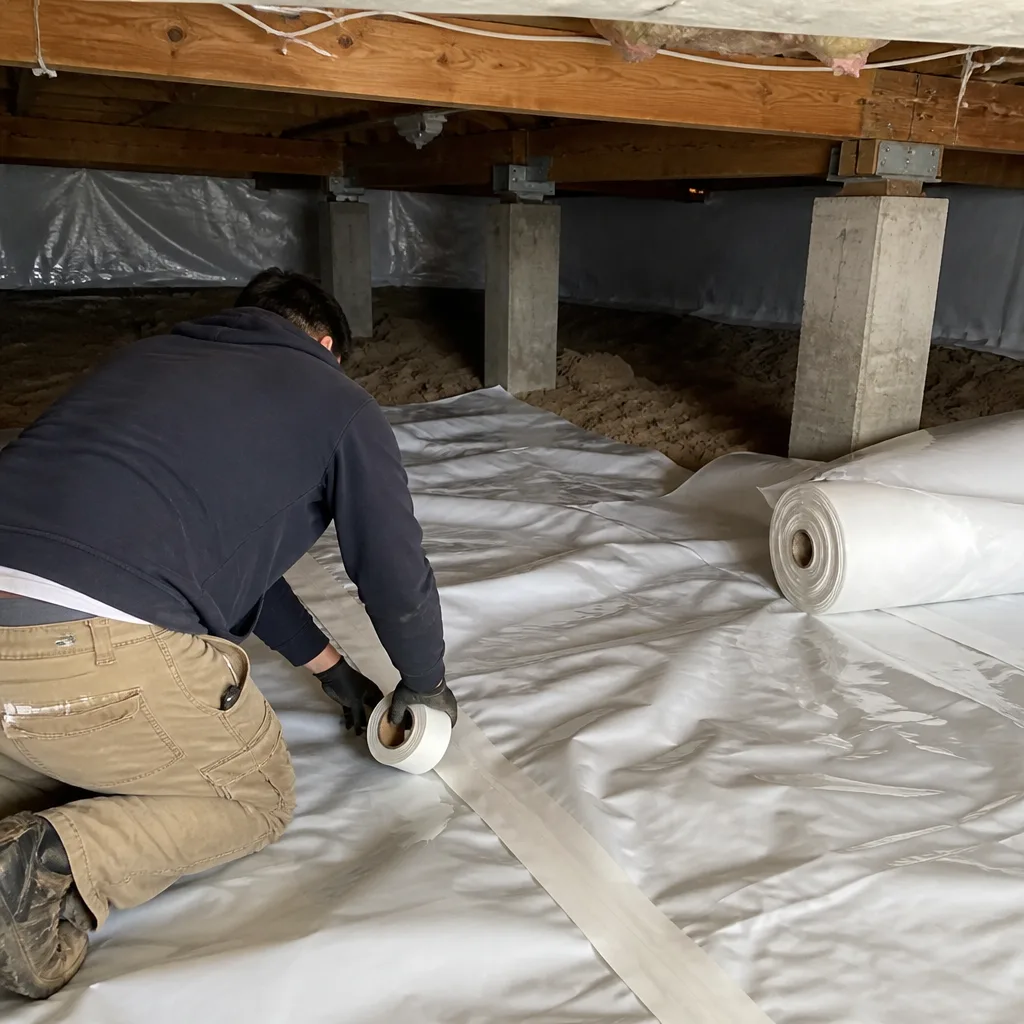
- Crawl space conditions: A significant portion of Morgan Hill homes sit over vented crawl spaces, particularly on the valley floor near Monterey Road. Crawl spaces that show moisture intrusion, damaged vapor barriers, or rodent activity require more time to inspect safely and document thoroughly – both of which add to the audit cost.
- HVAC duct location: When duct runs pass through unconditioned attic space – which is common in post-1990 Morgan Hill tract construction – a duct blaster test is worth adding. That test reveals how much conditioned air is leaking into the attic before it reaches the living space. It adds $100-$200 to the audit but often identifies the single biggest energy loss in the home.
- Local climate context and air sealing complexity: Morgan Hill sits in the southern Santa Clara Valley and experiences significant temperature swings between summer highs and cool nights driven by the Hecker Pass corridor. That diurnal range means homes here work their HVAC harder than many Bay Area locations farther north. An auditor familiar with this micro-climate will prioritize attic floor sealing and radiant heat gain differently than one who treats all South Bay homes identically. That local knowledge takes experience – and auditors with it tend to charge accordingly.
- Report format and deliverables: A basic verbal summary at the end of the visit is one thing. A written report with prioritized recommendations, before-and-after blower-door readings, and a photo record of every finding is another. The latter takes more time and costs more – but it’s also the document you’ll use to get accurate contractor bids and apply for rebates. Under our Haven Standard, every visit closes with a documented photo record; the written scope and readings are included, not added on request.
Morgan Hill Energy Audit Costs vs. Nearby Cities
For context, here’s how Morgan Hill audit pricing compares to neighboring markets:
- Gilroy: $280 – $600 (slightly lower average; older housing stock but fewer high-end custom homes)
- San Martin: $350 – $700 (rural parcels, larger footprints, crawl space access adds cost)
- San Jose (South): $350 – $750 (higher labor base, more auditors competing)
- Los Gatos: $450 – $950 (premium market; custom homes, more complex envelope work)
- Morgan Hill: $300 – $950 depending on scope, as detailed above
Morgan Hill isn’t the cheapest market in Santa Clara County, and it isn’t the most expensive. What you’re paying for in this area is an auditor who understands the local building stock and climate – not one who runs the same checklist they use in Cupertino.
PG&E and California Rebates That Reduce Your Out-of-Pocket Cost
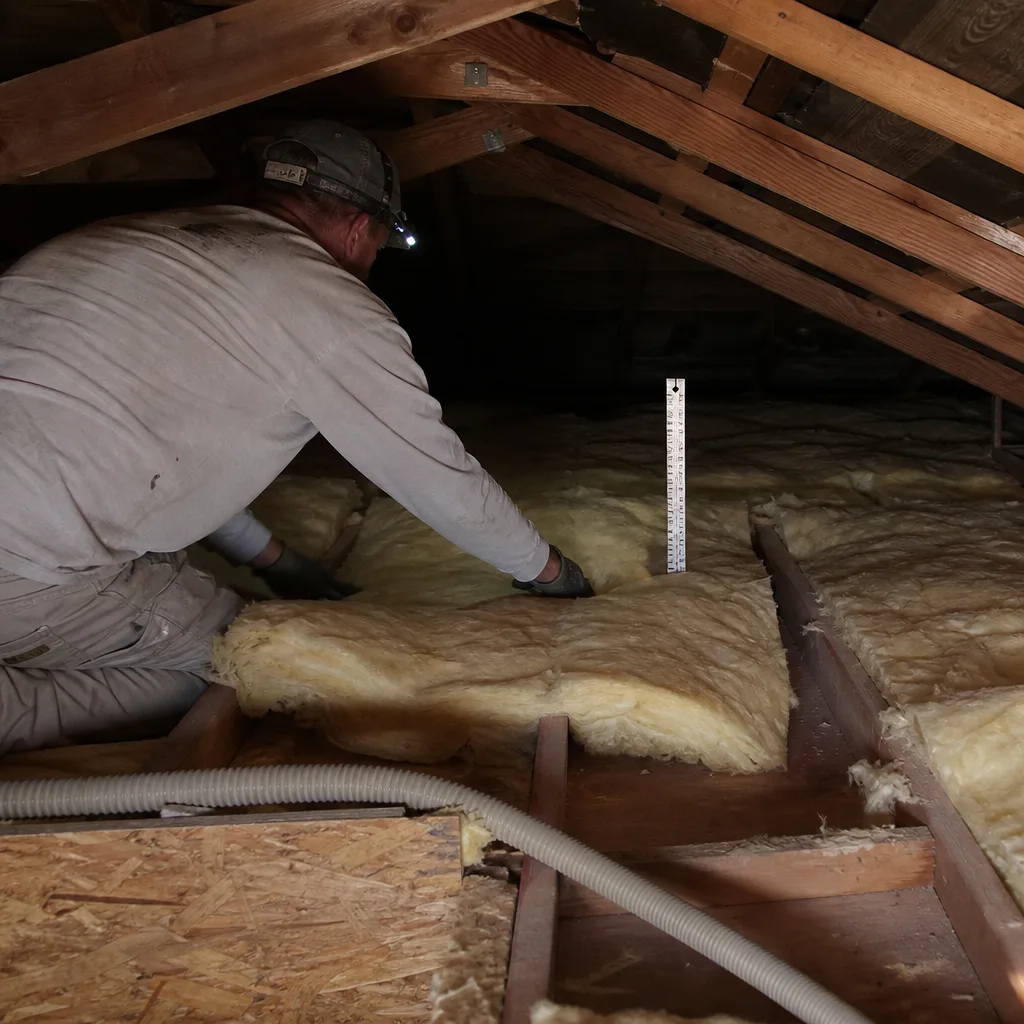
California and PG&E run several programs that can offset audit costs directly or reimburse them as part of a larger efficiency project. In 2026, the most relevant for Morgan Hill homeowners are:
- PG&E Home Upgrade Program: Qualifying homes can receive rebates of up to $6,500 on a package of efficiency improvements. A HERS-rated audit is typically a required first step. The audit cost itself may be covered or credited depending on program rules in effect at the time of application.
- California Energy Commission (CEC) incentives: Certain income-qualified households in Morgan Hill qualify for free or deeply subsidized audits through the ESAP (Energy Savings Assistance Program). Income thresholds change annually; check with your utility directly.
- Federal 25C Tax Credit: Under current federal rules, homeowners who purchase qualifying energy efficiency improvements – including insulation and air sealing – can claim a credit of up to 30% of the project cost (up to $1,200 annually). The audit itself doesn’t qualify for the credit, but it documents the conditions that justify the work that does.
We don’t administer these programs, and eligibility rules shift. But if you’re considering an audit in Morgan Hill, it’s worth a call to PG&E before scheduling – you may qualify for more than you expect.
What You Should Receive at the End of an Audit
This matters more than most homeowners realize, especially if you’re using the audit results to get contractor bids or apply for rebates. A well-run home energy audit in Morgan Hill should produce, at minimum:
- A written report with the blower-door result expressed in CFM50 – the cubic feet of air per minute leaking through your building envelope at 50 pascals of pressure – and a comparison to the expected value for a home of your size and age
- Identified air leakage locations, in plain language: top plates, can lights, attic hatch, plumbing penetrations, and so on
- Current insulation R-values by zone (attic, walls, crawl space where accessible)
- A prioritized list of recommended improvements with estimated impact
- Photos of each finding, tied to the written report
- A clear explanation of which improvements qualify for PG&E rebates or the federal 25C credit
If you’re getting a quote from any contractor and the deliverables aren’t described in writing before the visit, ask. At Envelope Insulation Co., our visits close with a documented photo record and written findings – included on every job, not as an add-on.
Audit Cost vs. What You Get Back: Is It Worth It in Morgan Hill?
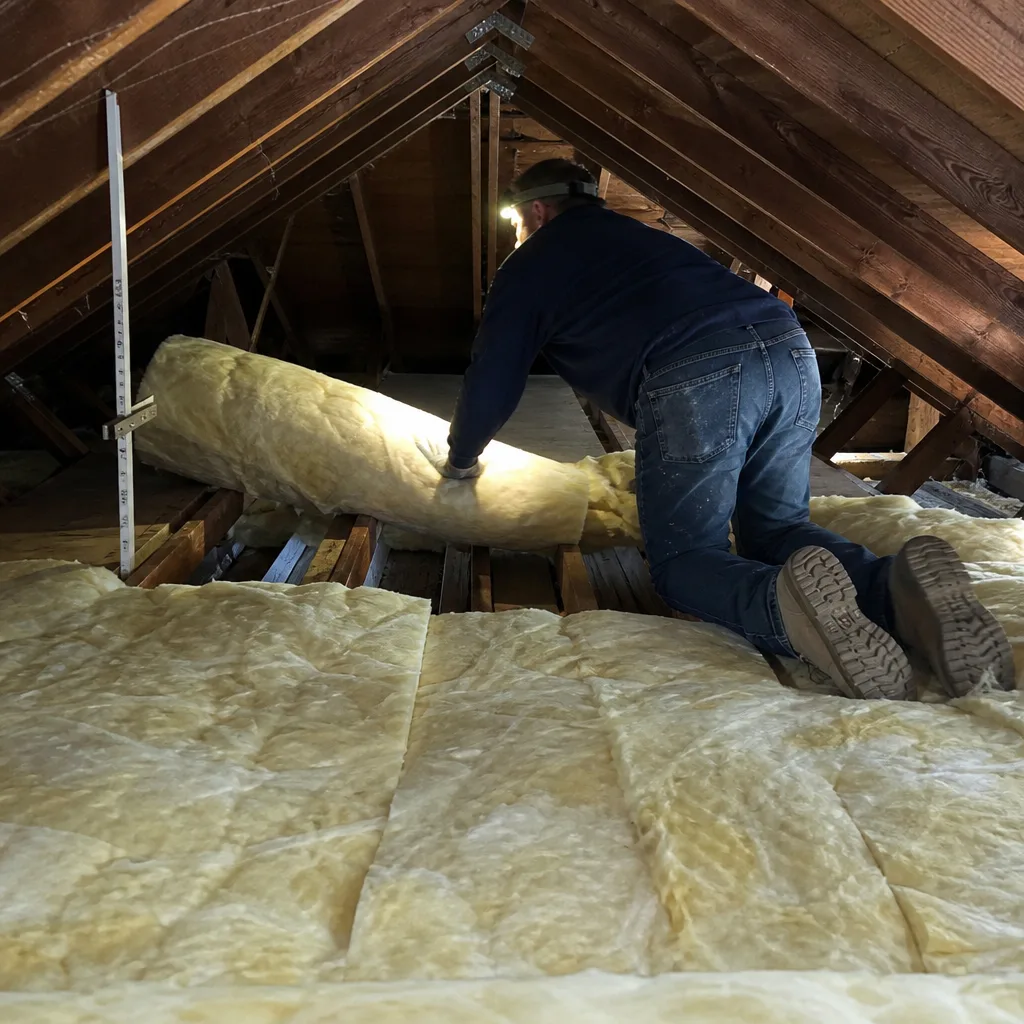
Bluntly: yes, for most Morgan Hill homes built before 2005. Here’s the practical math.
A typical Morgan Hill single-family home running central air conditioning in summer and gas heat in winter will spend $180-$300 per month on energy, depending on size and vintage. Homes we audit in this market routinely read blower-door numbers of 3,500 to 5,500 CFM50 before any work – well above the 1,500-2,500 CFM50 range where a home of that size becomes reasonably tight. That gap represents conditioned air the HVAC system is replacing continuously, all year.
After a thorough attic air-sealing project – sealing top plates, penetrations, and recessed lights before insulation goes in – the same homes typically test in the 1,800 to 2,800 CFM50 range. That’s a 35-50% reduction in envelope leakage, which translates to real changes in monthly bills. A $400 audit that directs a $3,500 air sealing and insulation project that cuts your energy bills by $90/month pays back in under four years. The audit is the step that makes the project defensible.
What the audit won’t do is pay back on its own if nothing follows. An audit report sitting in a drawer isn’t an asset. The value is in the prioritized action it enables.
Why Air Sealing Comes Before Insulation – Every Time
We bring this up on an audit pricing page because it directly affects how you should read any contractor bid that follows your audit. Adding insulation over an unsealed attic floor doesn’t fix air leakage. Insulation slows conductive heat transfer; it does almost nothing to stop convective air movement through penetrations, gaps at top plates, and can light housings. A home with R-38 blown-in insulation and an unsealed attic floor can lose more conditioned air than a home with R-19 insulation and tight air sealing below it.
At Envelope Insulation Co., we don’t blow insulation over an unsealed floor – it’s not a policy we invented as a selling point; it’s the sequence that produces a measurable result. We seal first: top plates, can lights, plumbing and electrical penetrations, and the attic hatch. Then insulation goes in. The before-and-after blower-door numbers we publish on every applicable job show exactly what that sequence produced.
If you’re reviewing a bid after your audit and insulation is listed without air sealing, ask specifically what sealing work is included. The answer will tell you a lot.
What to Look for When Hiring an Energy Auditor in Morgan Hill
Morgan Hill doesn’t have dozens of energy auditors operating independently. Most homeowners are choosing between insulation contractors who include diagnostics as part of a pre-project assessment, HVAC companies who offer audits as a path to equipment sales, and independent energy raters who primarily serve the new construction HERS verification market.
For existing homeowners looking to understand and reduce energy loss, here’s what separates a useful audit from a marketing exercise:
- They use a calibrated blower door. Visual inspections without pressurization testing are educated guesswork. A blower-door test – the device that depressurizes the home to 50 pascals and measures total leakage – is the only way to quantify envelope performance before and after work.
- They give you a written report, not just a conversation. Verbal summaries disappear. A written report with CFM50 readings, photos, and prioritized recommendations is what you use to get accurate bids from contractors and document rebate eligibility.
- They separate diagnosis from sales. An auditor who segues immediately from the blower-door reading to a sales pitch for their own insulation packages may not be wrong, but the conflict of interest is worth noting. Know what you’re getting: an independent assessment or a diagnostic that supports a sales presentation.
- They understand local construction norms. Morgan Hill’s housing stock runs from 1960s ranch homes near Dunne Avenue to early 2000s track construction in the Madrone Ranch area to custom builds in the East Side hills. Each era has different failure modes. An auditor who treats them identically will miss things.
- They’re background-checked and uniformed. This sounds basic, but it matters when you’re letting someone into your attic and crawl space.
How to Save on Your Home Energy Audit in Morgan Hill
There are a few ways to reduce what you pay without shortchanging the result.
Stack the audit with planned work. If you already know your attic insulation is inadequate and you’re planning to address it, schedule the audit with the contractor who will do the work. Many contractors, including us, apply the audit cost toward the project. You get the diagnostic plus the work, and the audit fee doesn’t sit as a standalone expense.
Check PG&E eligibility before you schedule. If your household income qualifies for the Energy Savings Assistance Program, your audit may be free. It takes 10 minutes to check. Don’t skip this step.
Ask specifically what the audit includes. A $275 audit that produces a verbal summary and no photos is a worse value than a $450 audit that delivers a full written report with CFM50 readings and prioritized recommendations. Price per deliverable matters more than the headline number.
Use the Free Second Opinion. If you’ve already received a written estimate from another contractor that followed an audit, bring it to us. We’ll read it with you – that’s our standing offer, and it costs you nothing. We’ve read quotes in Morgan Hill that included insulation without any air sealing line item, which means the homeowner would have paid for an improvement that a post-job blower-door test would reveal was only partially effective.
Schedule during off-peak periods. Audit demand in Morgan Hill spikes in late spring (before cooling season) and again in October. Scheduling in January through March or after mid-November sometimes allows more flexibility on scheduling, though it doesn’t always reduce price directly.
For a free estimate with pricing written down before any work begins, call (669) 280-8103. A live person answers – no voicemail loops, no callback windows.
FAQs: Home Energy Audit Cost in Morgan Hill
How much does a home energy audit cost in Morgan Hill, CA?
A standard blower-door-based home energy audit in Morgan Hill costs $300 to $650 for most single-family homes. Larger homes or audits that include infrared thermography and duct leakage testing run $650 to $950. The most common range for a typical Morgan Hill home – 1,600 to 2,400 square feet, single-story or two-story, built between 1975 and 2005 – is $350 to $500. Call (669) 280-8103 for a written estimate specific to your home’s size and scope.
Is a home energy audit worth the cost in Morgan Hill?
For most Morgan Hill homes built before 2005, yes. Homes in this market routinely test at 3,500 to 5,500 CFM50 on a blower-door – well above the range where a home of that size is considered reasonably tight. An audit identifies exactly where that leakage is occurring, which allows you to direct improvement dollars at the actual problem rather than the most visible one. A $400 audit that leads to a correctly sequenced air-sealing and insulation project can cut monthly energy costs by $70-$110, paying back the audit cost in less than six months.
Does PG&E offer rebates for home energy audits in Morgan Hill?
PG&E’s Home Upgrade Program can offset audit costs when the audit is part of a qualifying efficiency project. Income-qualified households may receive a free audit through the Energy Savings Assistance Program. The audit itself doesn’t qualify for the federal 25C tax credit, but the air sealing and insulation work it documents often does – up to 30% of project cost, capped at $1,200 annually under current rules. Check your eligibility directly with PG&E before scheduling; program terms change.
Can I get a home energy audit and insulation work done at the same time in Morgan Hill?
Yes, and this is often the most cost-effective approach. When the audit leads directly to work, the diagnostic findings are immediately actionable – there’s no delay between identifying the problem and fixing it. At Envelope Insulation Co., we complete air sealing before any insulation goes in, and we take a post-sealing blower-door reading so you can see the before-and-after numbers. Many homeowners in Morgan Hill schedule both on the same visit. Call (669) 280-8103 to discuss what that looks like for your home – we’ll put the scope and price in writing before anything starts.
What’s the difference between a blower-door test and a full home energy audit?
A blower-door test is one component of a full audit – the most important one. It depressurizes the home to 50 pascals and measures total air leakage in CFM50 (cubic feet per minute at 50 pascals). That single number tells you how much conditioned air your building envelope is losing. A full home energy audit uses that number as the baseline, adds an infrared camera scan to locate the specific leak points, assesses insulation levels by zone, evaluates HVAC duct tightness, and produces a written report with prioritized recommendations. The blower-door test alone costs $150-$250 in Morgan Hill; a full audit runs $300-$950 depending on scope.
How long does a home energy audit take in Morgan Hill?
A blower-door-only visit runs 60 to 90 minutes for a typical Morgan Hill home. A full audit with infrared scanning, crawl space inspection, and HVAC evaluation takes 2.5 to 4 hours for a home in the 1,800-2,800 square foot range. Homes with complex duct systems, accessible crawl spaces, or multiple attic sections take longer. Budget a half-day to be safe, and make sure someone is home for the full visit – the auditor will need interior access throughout.
Key Takeaways
- Most Morgan Hill homes pay $350 to $500 for a standard blower-door-based audit; full audits with IR and duct testing run up to $950.
- Audit cost is driven by square footage, crawl space access, duct system complexity, and what deliverables are included.
- PG&E rebates and the federal 25C credit can offset audit and project costs significantly – check eligibility before scheduling.
- A written report with CFM50 readings and photos is what makes an audit useful; a verbal summary is not.
- Air sealing must come before insulation – an audit that doesn’t produce a sequenced, prioritized recommendation is missing its most important output.
- Envelope Insulation Co. provides a written price before any work starts, before-and-after blower-door readings on applicable jobs, and a documented photo record on every visit – under The Haven Standard since 2016.
Schedule Your Morgan Hill Home Energy Audit
Wes Okafor and the team at Envelope Insulation Co. have completed audits and Home Energy Audit in Morgan Hill assessments across the city’s full range of housing stock – 1970s ranch homes near downtown, track construction in Madrone Ranch, and everything in between. Every visit starts with a written price and ends with documented findings. No work begins without your written approval, and the 365-Day Done Right Promise applies to everything we complete.
If you’ve already got a written estimate from another contractor and want a second set of eyes on it, that’s free. If you’re starting from scratch and want to know what your home is actually losing before deciding what to fix, we’ll put together a written scope and price for the audit before we schedule.
Call (669) 280-8103 – a live person answers, around the clock. Or visit our home to learn more about the full range of building envelope services we provide in Morgan Hill and the surrounding Santa Clara Valley.
We serve homeowners across Morgan Hill, including Madrone Ranch, Borello Ranch, East Main Avenue, Cochrane Road corridor, Lyons, and the Monterey Road valley floor. If your Morgan Hill address is within Santa Clara County, we work there.
Pricing reflects the Morgan Hill market as of 2026. Topside Attic Insulation Morgan Hill offers free estimates – call (669) 280-8103.
Written by Wes Okafor, Owner at Envelope Insulation Co., serving Morgan Hill since 2016.
What Our Customers Say
"Two other companies quoted to blow more insulation on top of what was there. These were the only ones who said the existing material had to come out first, and explained why."
- Clifford E."Crawl space encapsulation done properly. Photographs of the vapour barrier at every seam, and the damp smell in the hallway is gone."
- Ainsley P."They air-sealed the attic floor before insulating and showed me the blower-door number before and after. The upstairs is finally the same temperature as downstairs."
- Marisol D.