
Rockwool Crawl Space Encapsulation: The Morgan Hill Owner’s Guide
Rockwool crawl space encapsulation systems in Morgan Hill typically run between $3,800 and $7,200 installed, depending on crawl square footage and whether the foundation walls need full rigid-board coverage or just a vapor-barrier floor system. We stock Rockwool Comfortboard 80 and Comfortboard 110 rigid mineral-wool boards on our Morgan Hill trucks, and most encapsulation jobs we price in the morning are under way by afternoon. Most owners realize something’s wrong when they notice musty odors creeping up through floor registers in winter, or when their hardwood starts cupping above the crawl even though the HVAC runs constantly.
Which Rockwool Models This Applies To
Rockwool doesn’t sell a branded “encapsulation kit” the way some closed-cell-foam manufacturers do. What we’re talking about is Rockwool’s rigid mineral-wool board, primarily Comfortboard 80 (8 pcf density, 2-inch and 3-inch thicknesses) and Comfortboard 110 (11 pcf, used where higher compressive strength matters, such as rubble foundations or crawl spaces with occasional foot traffic for HVAC service). The product you need depends on what failed: the board itself, the vapor retarder layered over it, the mechanical fastening system, or the perimeter seal to the foundation wall.
To identify your existing Rockwool board, look for the foil-faced stamp on the board edge - Comfortboard 80 is stamped in blue, Comfortboard 110 in black. If the stamp’s faded, measure thickness and density: a 2-inch board that flexes slightly under hand pressure is likely 80; if it barely gives, it’s 110. We also see homeowners who had a general contractor install Rockwool board but used a non-Rockwool vapor retarder, usually 6-mil polyethylene that degraded fast in Morgan Hill’s clay-heavy soil moisture. That’s an OEM-versus-aftermarket issue: Rockwool’s specified vapor retarder is a cross-laminated, reinforced poly with a perm rating under 1.0. The 6-mil stuff from the hardware store hits 6-10 perms and fails in 3-5 years here. We stock both the OEM Rockwool-compatible retarder and a Johns Manville equivalent that meets the same spec at a lower price point.
Signs Your Rockwool Crawl Space Encapsulation Is Failing
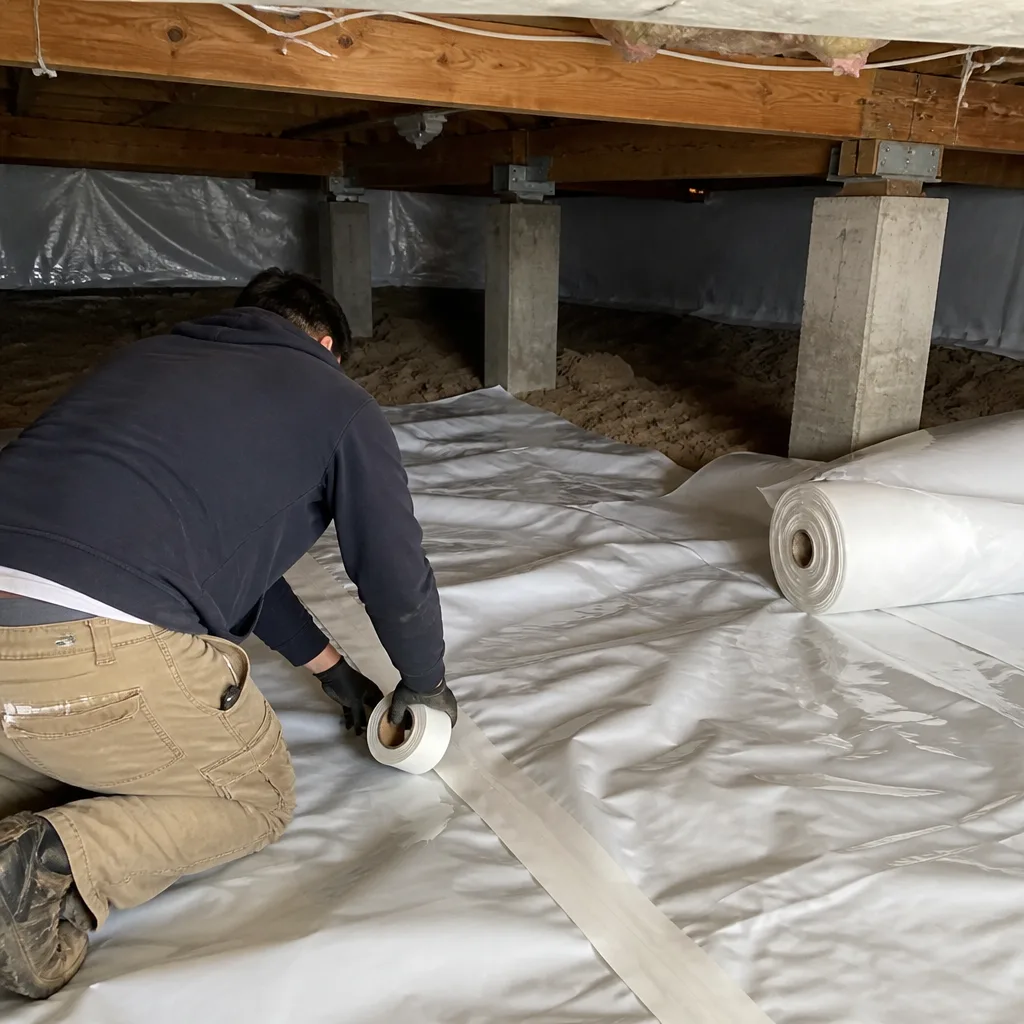
- Musty smell that intensifies after rain. Morgan Hill’s winter rains saturate the clay soils on the east side of town, and if your vapor retarder has torn at the perimeter or the Rockwool board is exposed, that moisture wicks straight up. The mineral wool itself won’t mold, but it holds moisture against the subfloor, which will.
- Hardwood cupping or tile grout cracking above the crawl. This means relative humidity in the crawl is cycling above 70 percent. Rockwool board doesn’t fail structurally, but if the encapsulation seal is broken, the board becomes a moisture bridge instead of a thermal break.
- Cold floors in January even with the heat running. Comfortboard 80 at R-4.2 per inch should deliver noticeable thermal separation. If your floors feel cold, either the board has settled away from the rim joist (common if installers used friction fit without mechanical fasteners) or the board got wet and its effective R-value dropped 30-40 percent.
- Visible sagging or gaps at the perimeter where board meets foundation wall. Rockwool rigid board is hydrophobic - it won’t absorb liquid water - but it will settle if the mechanical fastening system fails. In Morgan Hill, we see this most in 1970s-era crawl spaces with uneven stone or rubble walls where installers tried to use adhesive alone.
- Pest activity in the crawl space after years of none. A proper Rockwool encapsulation includes sealed seams and a continuous vapor retarder. When that seal breaks, rodents treat the gap as a highway. The board itself doesn’t attract them, but the shelter of a failed encapsulation does.
Replacement Cost & What’s Included
| Component | Typical Range (Morgan Hill) |
|---|---|
| Vapor retarder replacement only (floor, no wall board) | $1,800 - $2,900 |
| Rockwool Comfortboard 80, floor + perimeter walls, standard crawl (800-1,200 sq ft) | $3,800 - $5,400 |
| Rockwool Comfortboard 110, full foundation wall coverage, including mechanical fastening | $5,200 - $7,200 |
| Rim-joist air sealing + board (recommended, not optional for us) | Add $800 - $1,400 |
What drives the range: crawl height (anything under 18 inches adds labor), existing debris removal, and whether the rim joist needs sealing before the board goes in. We don’t price by phone without seeing it, but we do provide a written price before any work starts - Haven Standard Clause 1 - and that price includes the Documented Photo Record you’ll receive at completion. The 365-Day Done Right Promise covers all encapsulation work, and we publish before-and-after blower-door numbers on jobs where the crawl connects to conditioned space through bypasses.
DIY or Call Us?
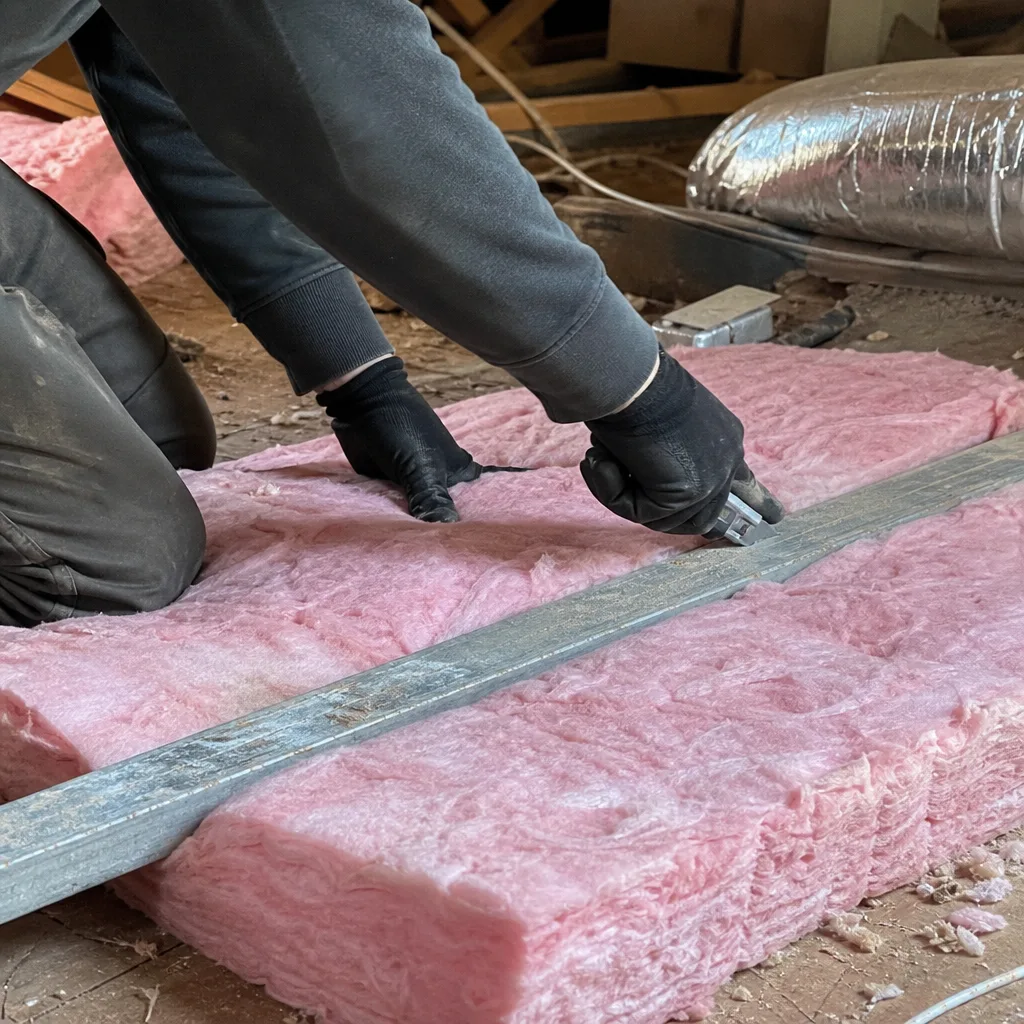
There’s no high-tension danger in Rockwool board installation, but there’s a knowledge trap that costs homeowners more than the original job. What you can safely check: whether the vapor retarder is intact at the perimeter, whether standing water is present, and whether any board has visibly settled or detached. Use a flashlight, not your hands - disturbed mineral wool irritates skin and lungs.
Where DIY goes wrong: sealing the rim joist before the board goes in (non-negotiable for performance), selecting the wrong vapor-retarder perm rating for Morgan Hill’s soil conditions, and failing to mechanically fasten board on rubble or uneven stone walls. We’ve pulled out three DIY encapsulations in the past two years on the west side of Morgan Hill, all because the homeowner used adhesive on a damp foundation wall. The board sagged within 18 months. If you want a second opinion on your crawl before you decide, call (669) 280-8103 - we’ll read your situation with you, no charge for the visit if you show us what you’ve got.
FAQs
Properly installed Rockwool rigid board lasts 25-30 years; the vapor retarder is the wear item, typically needing inspection at year 10 and replacement at 15-20 years in Morgan Hill’s clay-soil moisture conditions. The mineral wool itself doesn’t degrade, but the perimeter seal and mechanical fasteners should be checked after any significant seismic event. Call (669) 280-8103 if you want us to assess your existing system - estimates are free.
Localized repairs work if the board is still firmly attached and only the vapor retarder has torn at a seam or perimeter. We patch with compatible cross-laminated poly and re-seal. If the board has settled, gotten wet repeatedly, or the original install skipped rim-joist sealing, partial repair is usually false economy - the same labor to patch is most of the labor to do it right. We offer free second opinions on any written repair scope from another contractor.
Most Morgan Hill crawl spaces in the 1,000-square-foot range take two days: one day for debris removal, rim-joist air sealing, and board installation; one day for vapor-retarder placement, seam welding, and perimeter sealing. Smaller, clean crawls can finish in a single long day. We don’t rush the curing or sealing steps - Haven Standard requires documented completion, not just clocked hours.
Yes - Comfortboard 80 in 2-inch and 3-inch, Comfortboard 110 in 2-inch, plus the mechanical fastening systems and vapor retarders that Rockwool specifies for encapsulation. We also stock Reflectix and Johns Manville equivalents for homeowners who want to compare specs before deciding. Topside Attic Insulation Morgan Hill is an independent service provider, not affiliated with Rockwool. Call (669) 280-8103 to confirm current truck stock for your specific crawl dimensions.
Written by Wes Okafor, Owner & Lead Insulation Technician, Topside Attic Insulation Morgan Hill at Topside Attic Insulation Morgan Hill, serving Morgan Hill and nearby areas.