
Crawl Space Insulation in Morgan Hill, CA
Crawl space insulation in Morgan Hill typically runs between $1,800 and $4,200 for a standard single-family home, depending on square footage, access conditions, and whether air sealing is done first – which it always should be. Most jobs are completed in one day, and every project at Topside Attic Insulation Morgan Hill starts with a written price before anyone touches a tool.
If your floors feel cold in winter, your energy bills climb every time the South Valley temperature swings, or you’ve noticed moisture issues under the house, the crawl space is usually where the problem starts. Crawl space encapsulation and vapor barrier work alongside insulation to address heat loss through the subfloor and, when paired with proper air sealing, can meaningfully reduce the conditioning load on your HVAC system year-round.
This page covers what crawl space insulation actually involves in a Morgan Hill home, what it costs, how we do the work, and what you’ll have in hand when we leave. If you have a competing written estimate, bring it – we offer a Free Second Opinion on Any Written Estimate and will read it with you line by line. For a free estimate on your home, call us at (669) 280-8103.
Crawl space insulation is one component of a complete building-envelope solution. For the full picture – including vapor barriers, drainage matting, and encapsulation – see our Crawl Space Encapsulation & Vapor Barrier in Morgan Hill service page.
When You Need Crawl Space Insulation
Not every Morgan Hill homeowner thinks about what’s under their floors until something makes them. Here are the situations where crawl space insulation is the right next step:
- Cold or uneven floors in winter. Morgan Hill sits at the northern edge of the Diablo Range foothills, and nighttime temps in Coyote Valley can drop into the low 30s from December through February. If your hardwood or tile floors feel noticeably cold by morning, the subfloor insulation is either absent, compressed, or has fallen away from the joists entirely – a common finding in homes built before 1990.
- Energy bills that don’t match your square footage. A 1,800-square-foot home in East Morgan Hill running $280 a month in winter is often losing conditioned air through the subfloor and crawl space penetrations. A blower-door test – a pressurization reading that shows, in a single figure, how much air the building envelope is leaking – will confirm how much of that loss comes from below.
- Musty odors or humidity in the living space. Moisture rising from the crawl soil migrates upward. Without a vapor barrier and insulation working together, that moisture reaches the subfloor, then the flooring material above it. If you’re smelling something damp in a first-floor room, the crawl space is the first place to check.
- Existing fiberglass batts that have fallen or sagged. Batts installed between floor joists depend on friction fit – they’re not mechanically fastened. In Morgan Hill homes built in the 1970s and 1980s, it’s common to find batts resting on the crawl soil, having dropped from the joists years ago. Insulation sitting on the ground does nothing for the floor above it.
- You’re preparing to encapsulate. If you’re planning full crawl space encapsulation, insulating the floor joists or the crawl walls (depending on whether the space is conditioned or vented) is part of the correct sequencing. Air sealing comes first, then insulation – not the other way around.
- Rodent activity has damaged existing insulation. Rats and mice use fiberglass batt material for nesting. If you’ve had a rodent issue under the house, there’s a reasonable chance the insulation has been compressed, relocated, or contaminated. This is a situation where removal and replacement – not addition – is the right call.
Our Crawl Space Insulation Process
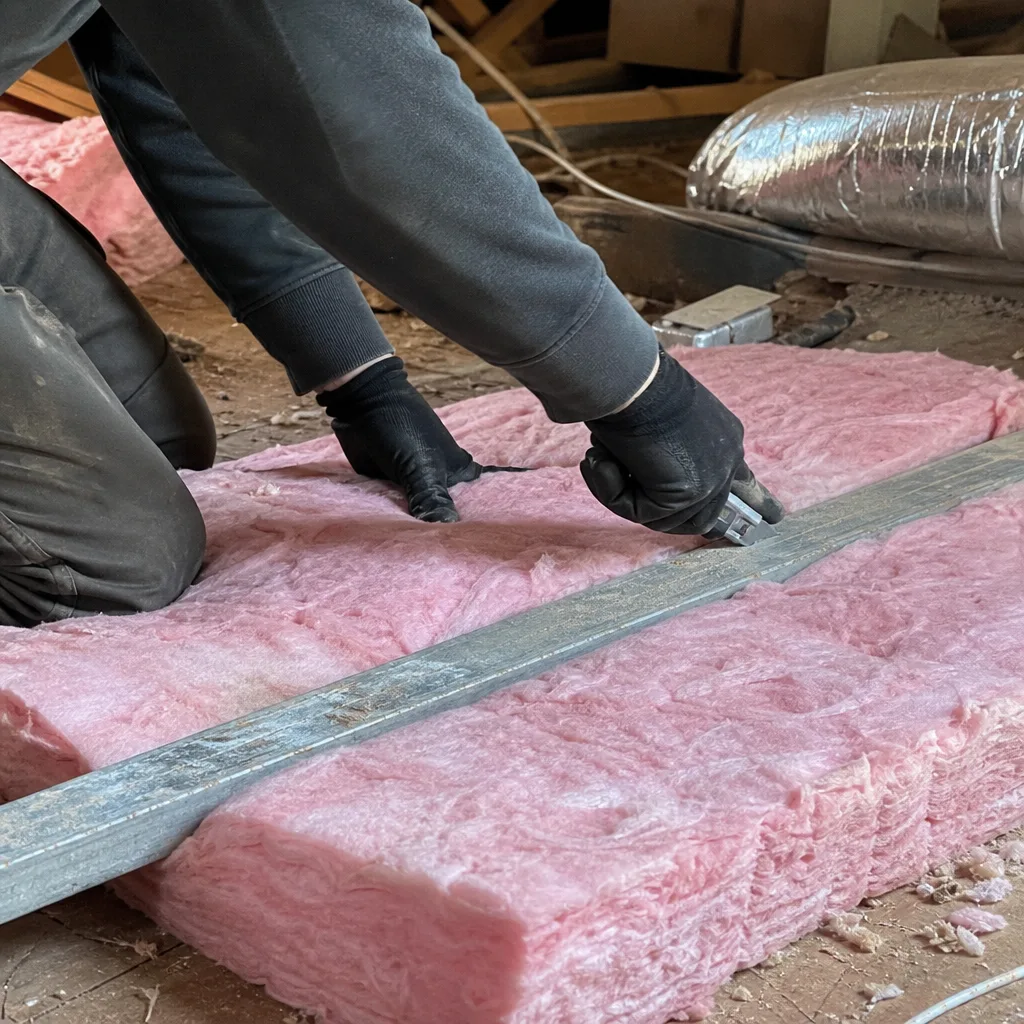
Installing a crawl space vapor barrier in the correct order matters more than the materials. Blowing insulation over unsealed air leaks is something we won’t do – it looks complete, but it doesn’t perform. Here’s how every crawl space insulation job runs at Topside Attic Insulation Morgan Hill:
- Written scope and price, before anything else. Under Haven Standard Clause 1, no crew member lifts a tool until you have a flat-rate written price and a written scope of work in hand. You’ll know the exact dollar amount, the materials being used, and the warranty terms before you agree to anything. This is not optional on our end.
- Crawl space inspection and documentation. A technician enters the crawl space and photographs the existing conditions: joist bays, existing insulation (if any), vapor barrier condition, any signs of moisture intrusion, pest damage, or HVAC duct leakage. You get a Documented Photo Record of what we found – not a verbal summary. This matters for your records and for any future real estate disclosure.
- Air sealing of penetrations and rim joists. Before any insulation goes in, we seal the air leaks. In a typical Morgan Hill crawl space, that means sealing around plumbing penetrations, HVAC supply boots at the subfloor, and the rim joist – the band of framing that runs along the perimeter where the floor framing meets the foundation wall. Rim joists are responsible for a disproportionate share of heat loss in vented crawl spaces. We use spray foam to close these gaps. On applicable jobs, we run a blower-door test before and after air sealing so you have a number that shows the actual change – not an estimate of it.
- Removal of failed or contaminated insulation (if applicable). If existing batts are on the ground, compressed below 50% of their original thickness, or show signs of rodent contamination, they come out first. Installing new insulation over failed material is a shortcut that doesn’t produce the rated R-value – the insulation’s resistance to heat flow.
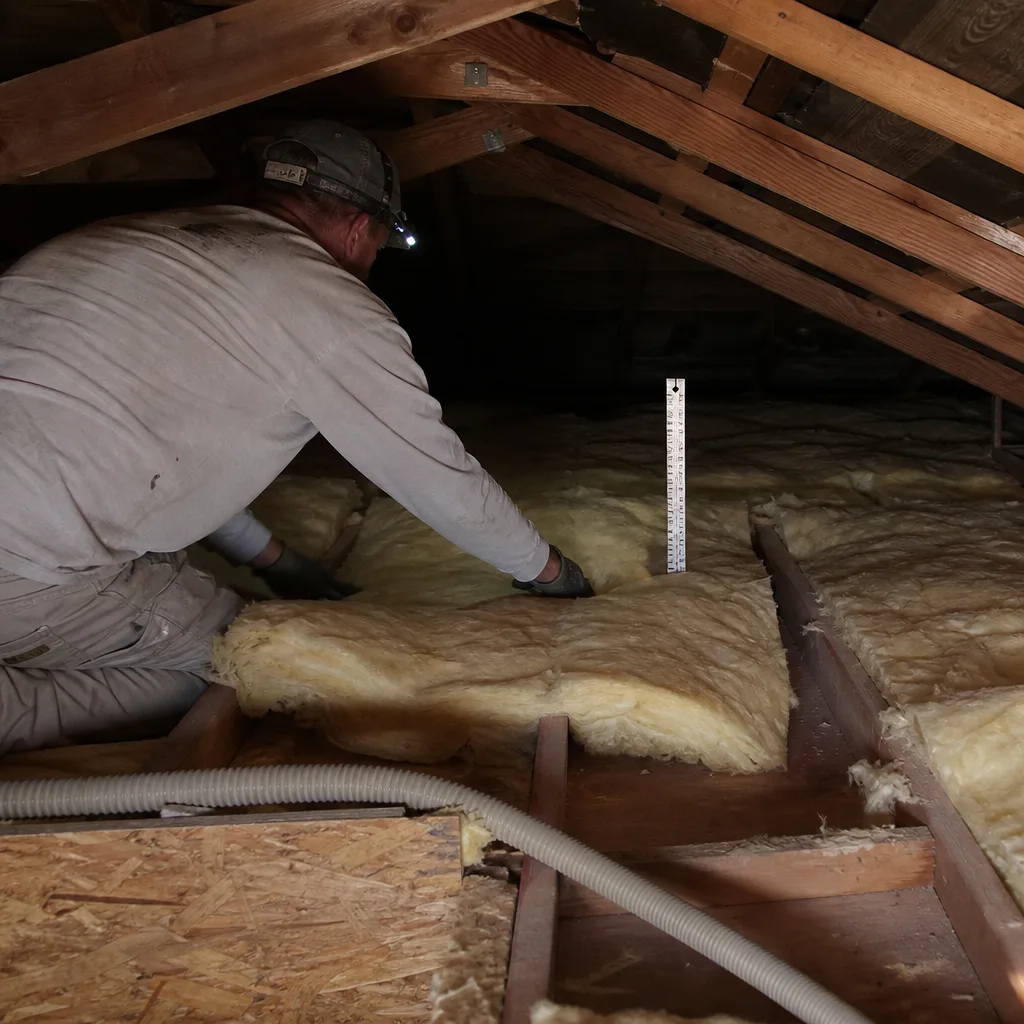
- Installation of new insulation to the correct R-value. California’s Title 24 energy code currently requires R-19 minimum for vented crawl space floors in Climate Zone 4, which covers Morgan Hill. In practice, we often recommend R-25 or R-30 for homes with significant floor-to-outdoor temperature differentials. Depending on joist depth and configuration, this typically means Owens Corning EcoTouch or Johns Manville fiberglass batts, mechanically secured with wire stays or insulation support rods so they can’t fall. In some rim joist applications, we use spray foam board to hit the required R-value in a thinner profile.
- Final documentation and walk-through. Before we leave, you receive the completed Documented Photo Record – photos of the finished installation – alongside the written warranty and, on applicable jobs, the before-and-after blower-door numbers. You’ll know what the crawl space looked like when we arrived and what it looks like now. That’s what leaving looks like on a Haven Standard job.
Crawl Space Insulation Pricing in Morgan Hill
Most crawl space insulation jobs in Morgan Hill fall between $1,800 and $4,200. Below is a breakdown of what drives that range.
| Project Type | Typical Price Range |
|---|---|
| Small crawl space (under 800 sq ft), batts only | $1,800 – $2,400 |
| Mid-size crawl space (800-1,400 sq ft), batts + rim joist foam | $2,400 – $3,200 |
| Large crawl space (1,400+ sq ft), full air seal + new batts | $3,200 – $4,200 |
| Old insulation removal (per 1,000 sq ft) | $600 – $950 (added to install cost) |
| Rim joist spray foam only (perimeter seal) | $700 – $1,400 |
What affects the final number
- Access height. Crawl spaces under older Morgan Hill homes near downtown or in the Borello Ranch area can run as low as 18 inches of clearance. Tight access slows work and affects labor cost.
- Existing insulation condition. If batts need to come out before new material goes in, that’s a separate line item – quoted up front, not discovered mid-job.
- Whether air sealing is included. We don’t insulate without sealing first. If a quote you’ve received elsewhere is lower than ours, check whether it includes air sealing of rim joists and penetrations – or whether it’s just batting over unsealed framing.
- R-value target. R-19 is the code minimum. Upgrading to R-30 in a home with 2×10 joists adds material cost but reduces floor heat loss proportionally.
- Vapor barrier condition. If the existing vapor barrier is torn, absent, or undersized, we’ll note it in the inspection – and quote any needed work as a separate line, not folded into the insulation price without disclosure.
Every price we give is flat-rate and written before work starts. If conditions in the crawl space are materially different from what the inspection showed, we stop and talk to you – we don’t proceed and add to the bill afterward. For a written estimate on your Morgan Hill home, call (669) 280-8103. Estimates are free, there’s no obligation, and if you have a competing quote, we’ll review it with you at no charge.
FAQs – Crawl Space Insulation
What R-value does crawl space insulation need to be in Morgan Hill?
California Title 24 requires a minimum of R-19 for vented crawl space floors in Climate Zone 4, which includes Morgan Hill. In practice, R-25 to R-30 is more appropriate for homes where the floor sits over an unconditioned vented crawl space and the HVAC system is inside the conditioned envelope above – which describes most single-family homes built here between 1970 and 2005. We’ll confirm the correct target during the inspection and note the code-minimum and recommended R-value on the written scope. Call (669) 280-8103 to schedule an inspection – no charge for the estimate.
Should I insulate the crawl space walls or the floor joists?
It depends on whether the crawl space is vented or unvented (conditioned). In a vented crawl space – the most common configuration in Morgan Hill homes – insulation goes between the floor joists above, not on the foundation walls. In an unvented or encapsulated crawl space, where the perimeter is sealed and the space is treated as semi-conditioned, insulation belongs on the interior foundation walls and the rim joist, not the floor. Installing insulation in the wrong plane is a documented source of moisture problems and reduced thermal performance. We identify the correct configuration during the inspection and quote accordingly. For the broader encapsulation picture, our Crawl Space Encapsulation & Vapor Barrier in Morgan Hill page explains how the two systems work together.
How long does crawl space insulation installation take?
Most crawl space insulation jobs in Morgan Hill are completed in one day. A small crawl space under 1,000 square feet with accessible joists and no removal required typically runs four to six hours. Larger spaces, tight access, or jobs that include old insulation removal and full air sealing can take a full day and occasionally spill into a second morning. We give you a realistic time estimate in writing before we start, and a named technician with a text when they’re on the way – no arrival window that spans half your day.
Is it worth insulating a crawl space in Morgan Hill’s climate?
Yes, measurably so. Morgan Hill’s climate sits at the edge of Zone 4 – winters are mild compared to the Sierra, but nighttime lows in Coyote Valley and the hillside neighborhoods above Dunne Avenue can run 15 to 20 degrees colder than daytime highs from November through March. Uninsulated floor joists in those conditions create consistent downward heat loss through the subfloor. Homes we’ve worked on in Morgan Hill have shown meaningful reductions in floor surface temperature differentials after installation. On jobs that include air sealing, the before-and-after blower-door numbers document exactly how much conditioned air the home was losing through the floor plane before we started – and how much it retains after.
Key Takeaways
- Crawl space insulation in Morgan Hill typically costs $1,800 – $4,200, with a written price before any work starts – always.
- R-19 is the Title 24 code minimum for vented crawl space floors here; R-25 to R-30 is the practical recommendation for most Morgan Hill homes.
- Air sealing – rim joists, plumbing penetrations, subfloor gaps – happens before insulation goes in, not after.
- Every job closes with a Documented Photo Record and, on applicable projects, before-and-after blower-door readings so you can see the measured change.
- The 365-Day Done Right Promise applies to all completed work: if it’s not right, we make it right.
- We offer a Free Second Opinion on any competing written estimate – bring us the quote.
Schedule a Free Estimate for Crawl Space Insulation in Morgan Hill
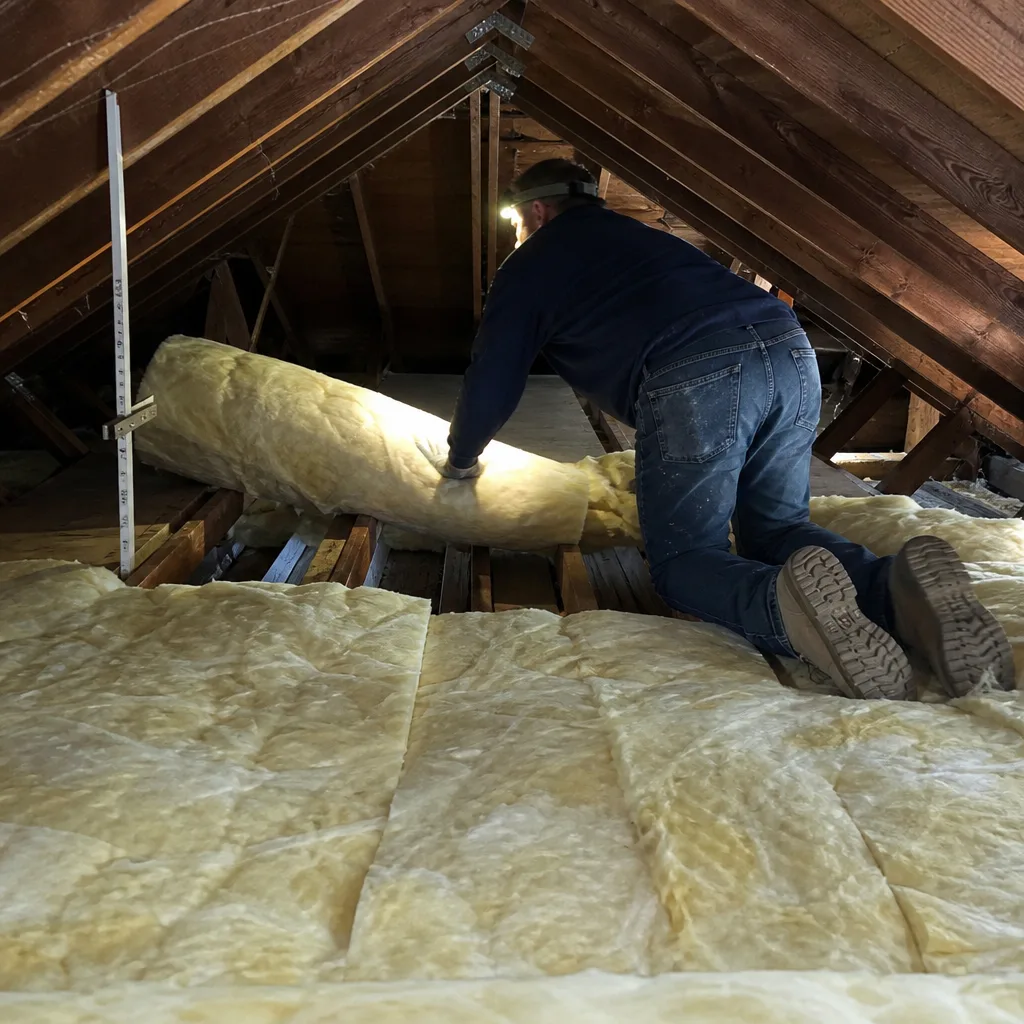
If you’re seeing cold floors, rising energy bills, or moisture signals in your home, the crawl space is the right place to start. We inspect it, photograph it, seal it, and insulate it in the correct order – and you’ll have everything in writing before we begin. Topside Attic Insulation Morgan Hill has been operating under The Haven Standard since 2016, which means a written price on every job, documentation when we leave, and a 365-day promise if anything isn’t right.
To schedule a free written estimate for crawl space insulation in Morgan Hill, call (669) 280-8103. A live person answers – no voicemail, no callback window. Or visit our home page to learn more about the full range of building-envelope services we provide. If you already have a competing quote, bring it and we’ll review it with you at no charge.
Written by Wes Okafor, Owner at Topside Attic Insulation Morgan Hill, serving Morgan Hill.