
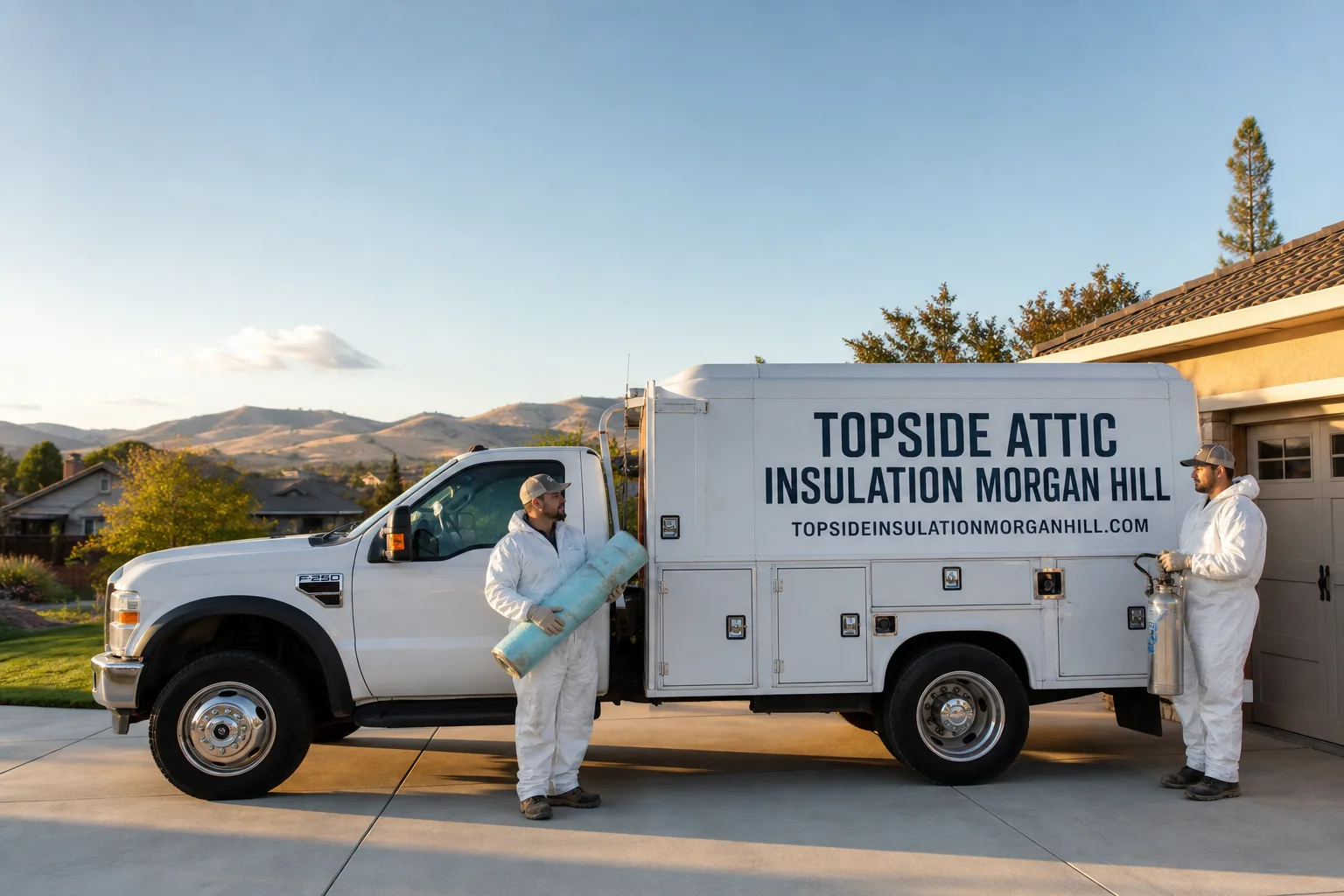
Fast, Reliable Attic Insulation Across East Foothills
Most attic insulation jobs in East Foothills run $2,400-$5,800 for a full replacement and $1,200-$2,800 for a top-up or blown-in addition, with our crews typically on-site within 24-48 hours of your call. We dispatch from our San Francisco Bay Area office and serve East Foothills directly, so we understand the hillside ranches off Mt. Hamilton Road, the split-levels near Alum Rock, and the pier-and-beam foundations that open to the wind on downhill slopes. Call (669) 280-8103 for a written price before any work starts.
Why Topside Attic Insulation Morgan Hill Is East Foothills’s Preferred Attic Insulation Company
We’ve insulated and sealed attics across East Foothills since expanding our Bay Area service territory, and the pattern is consistent: homes here need more than insulation dumped over the joists. The sloped Diablo Range terrain, the Wildland-Urban Interface requirements, and the pressurized crawl spaces on downhill lots create a three-part problem that valley contractors routinely miss.
Our reviews from East Foothills homeowners mention the same things. They note that we found air leaks their previous contractor ignored. They mention the blower-door numbers we left behind, the photo documentation, and the fact that we handled WUI-compliant vent covers without being asked twice. Response time to East Foothills neighborhoods averages same-day or next-day scheduling, with a text when your technician is en route.
We know the local inspector expectations for WUI-zone retrofits. We stock ember-resistant vent covers and fire-rated materials so we don’t burn a trip ordering parts. And we understand that a hillside ranch with an open downhill crawl space needs its floor envelope sealed before the attic sees a single bag of insulation. That’s not an upsell. That’s the order the work has to happen in.
Our Attic Insulation Services in East Foothills
Blown-In Attic Insulation
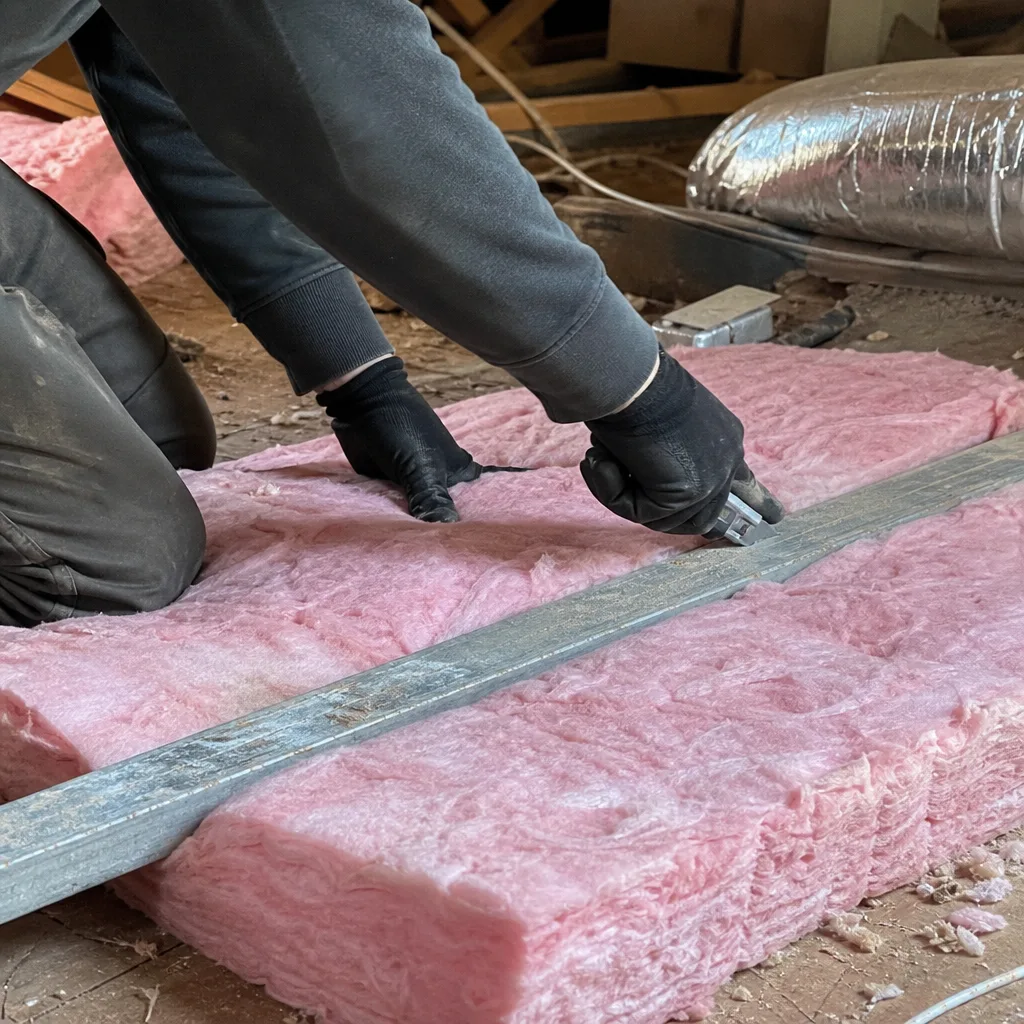
Blown-in fiberglass or cellulose is our most common install in East Foothills, especially in the 1950s-1970s ranch and split-level stock where original R-11 or R-19 batts have compressed, shifted, or been destroyed by rodents. We blow Owens Corning or Johns Manville fiberglass to R-49 over a fully sealed attic floor, never over unsealed top plates or can-light penetrations. In East Foothills, we also check that your attic vent covers meet WUI ember-resistance specs before we close up. A typical blown-in job here runs $2,400-$4,200.
Attic Batt Insulation
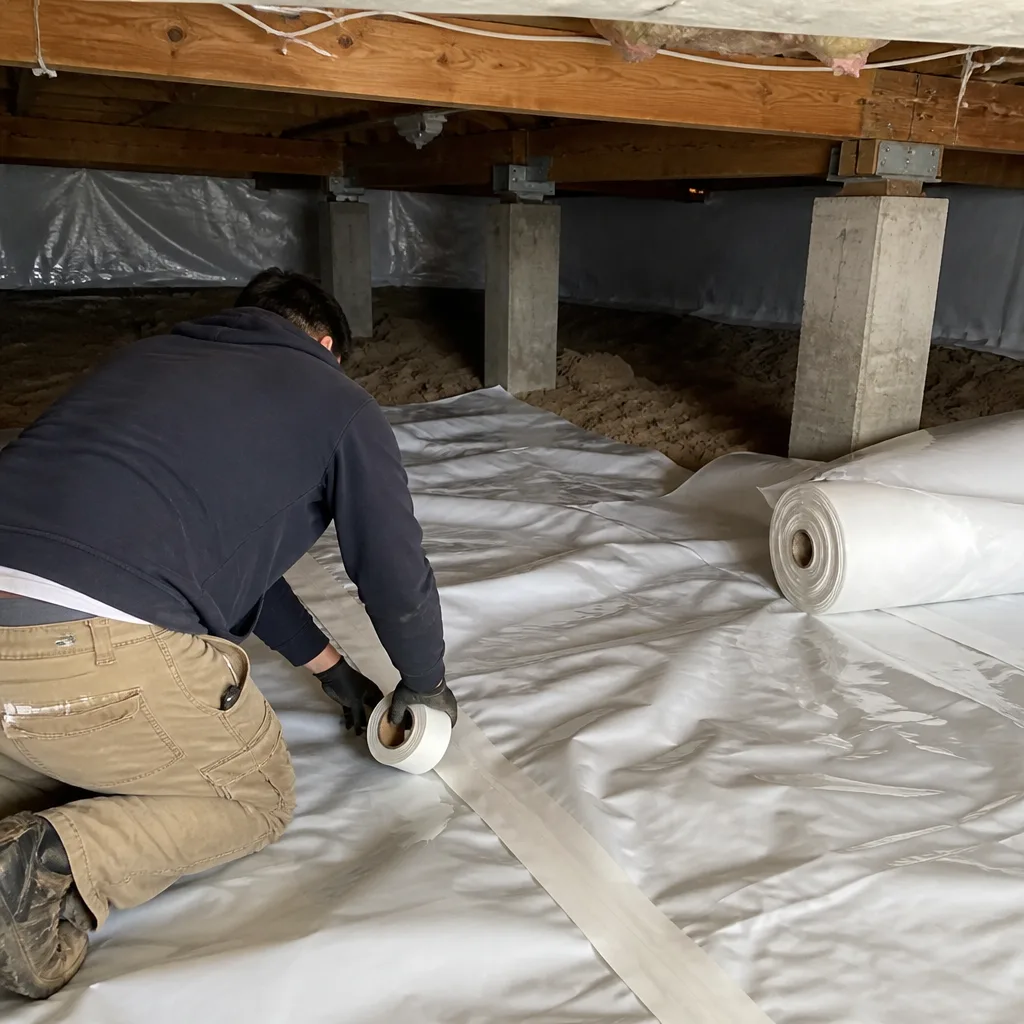
Batt insulation still has a place in East Foothills homes with accessible attic floors and minimal obstruction, particularly in newer additions or workshop structures. We use Knauf or Rockwool batts when the application calls for rigid, cut-to-fit placement around trusses or mechanicals. Every batt install includes air sealing of the attic floor first, and we document the before-and-after blower-door reading so you can verify the envelope improvement.
Attic Insulation Top-Up
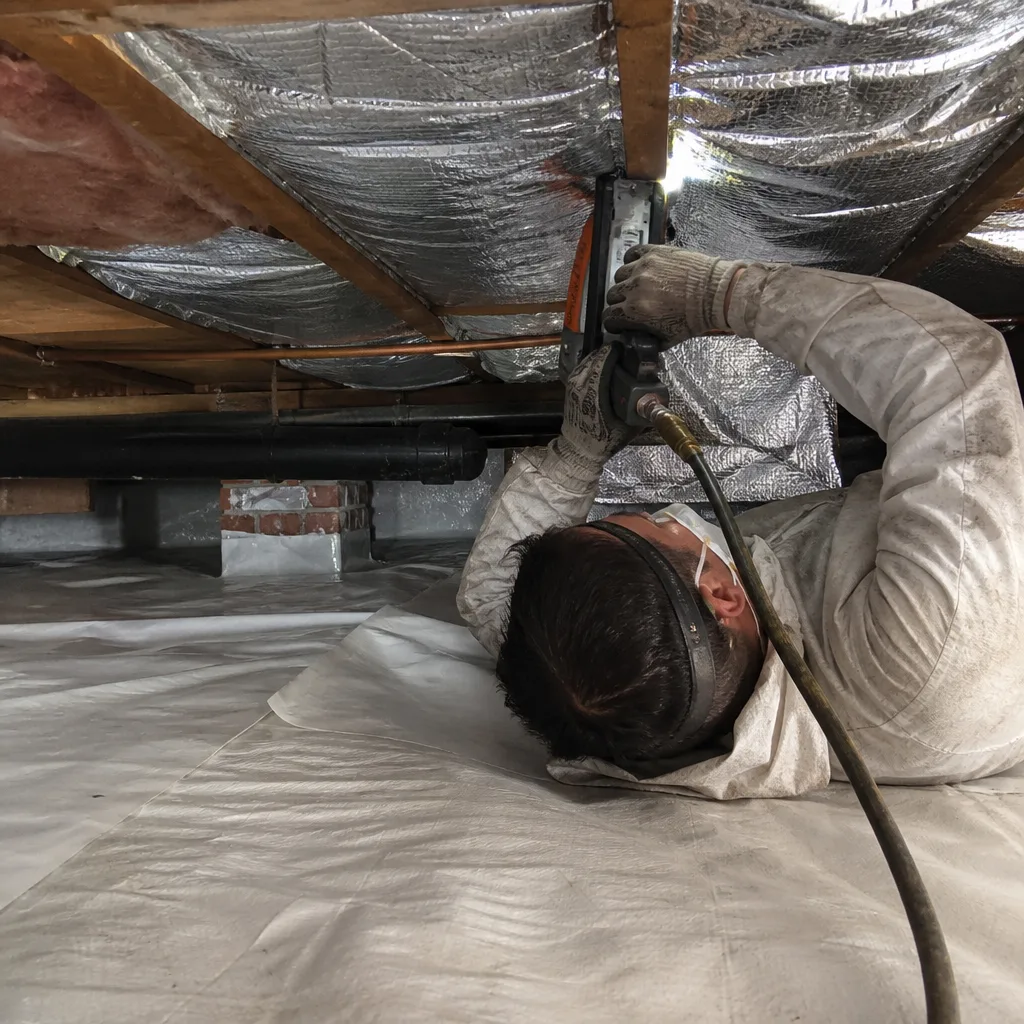
Many East Foothills homes have some existing insulation that’s simply insufficient for the thermal swing this hillside microclimate produces. South- and west-facing slopes see amplified radiant heat loads during the day, then sharp nighttime drops. A top-up brings your attic to R-49 without full removal, assuming the existing material is clean and the floor is sealed. Typical cost: $1,200-$2,800. We assess whether your current layer is compromised by rodent activity, moisture, or wind infiltration from below before recommending this path.
Attic Insulation Replacement
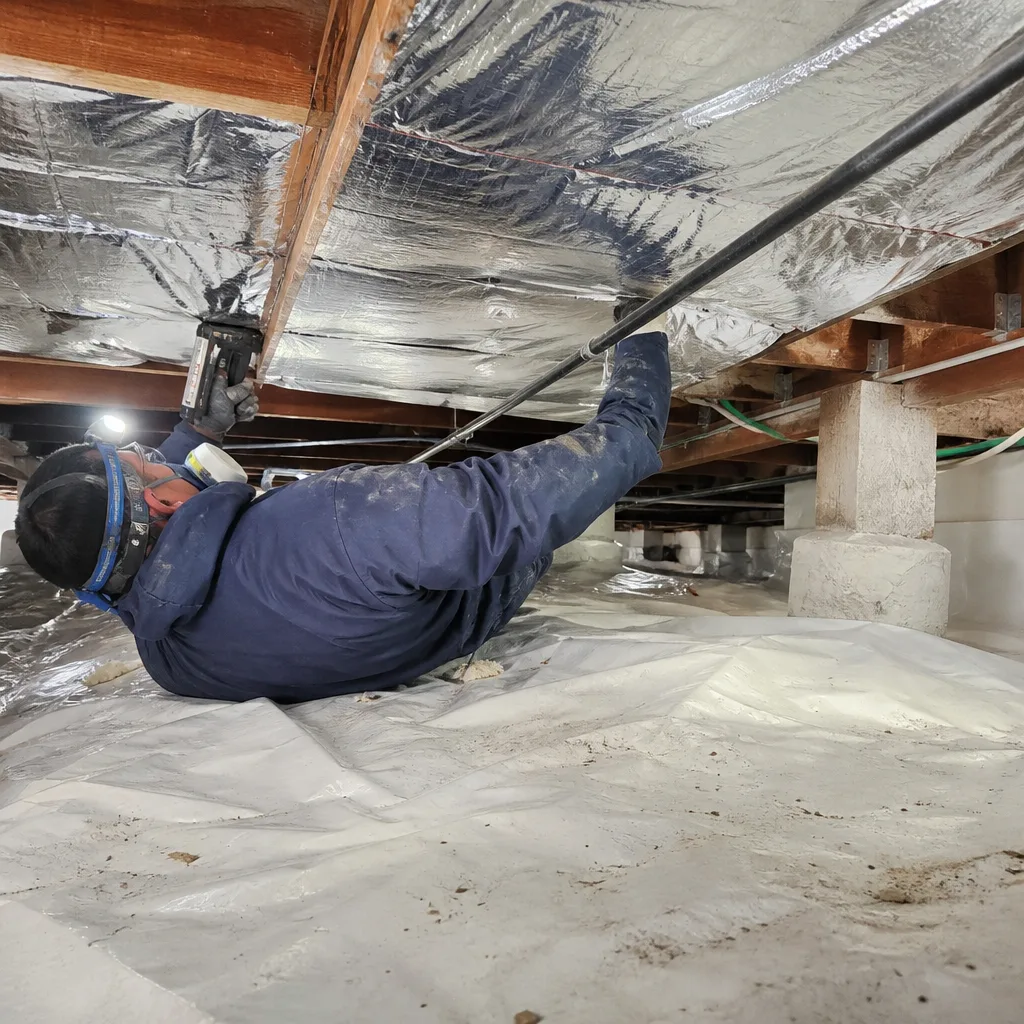
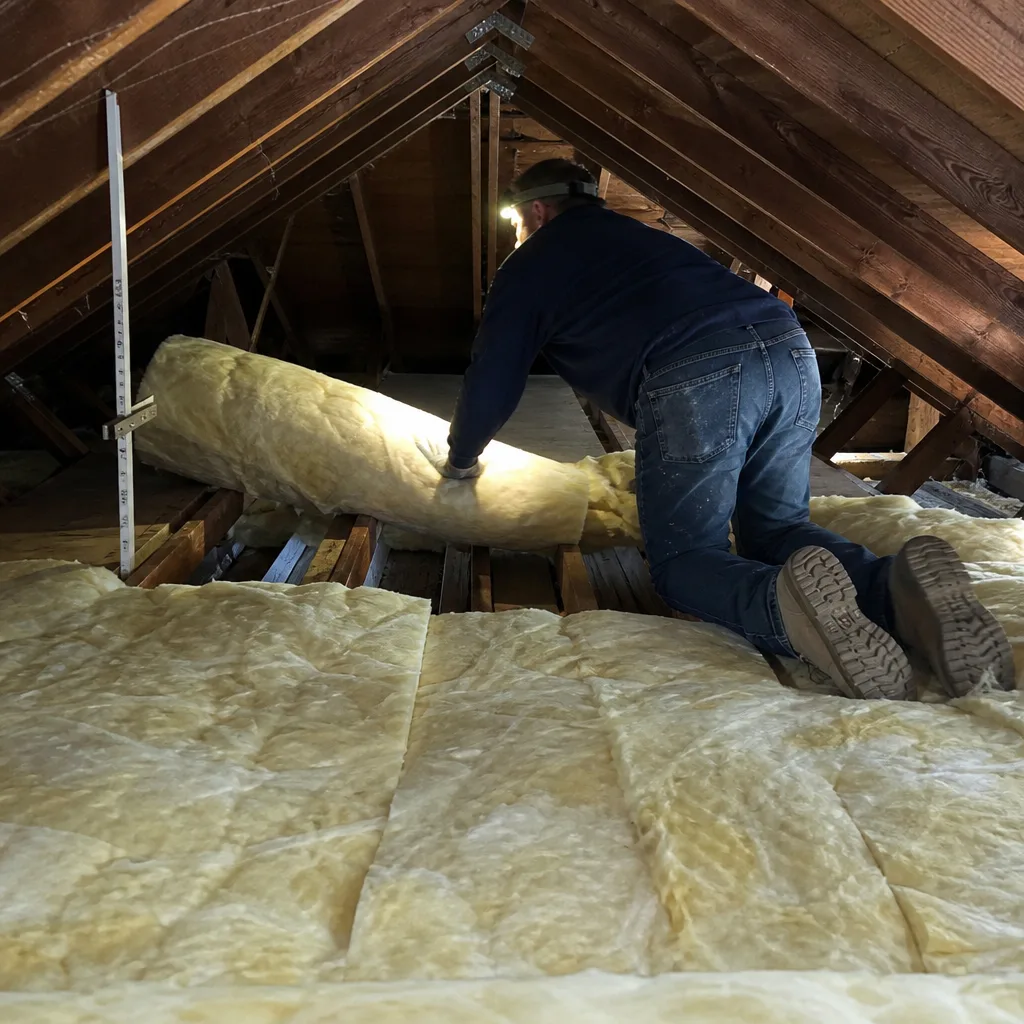
Full replacement is common in East Foothills’s older hillside ranches where rodent damage, water staining, or decades of compression have ruined what’s there. We remove the old material, clean the attic floor, seal every penetration and top plate joint, then install new insulation to spec. This is also when we replace non-compliant attic vent covers with ember-resistant models and verify baffle placement for proper soffit ventilation. Full replacements in East Foothills typically fall between $3,800-$5,800.
Attic Baffles & Ventilation Prep
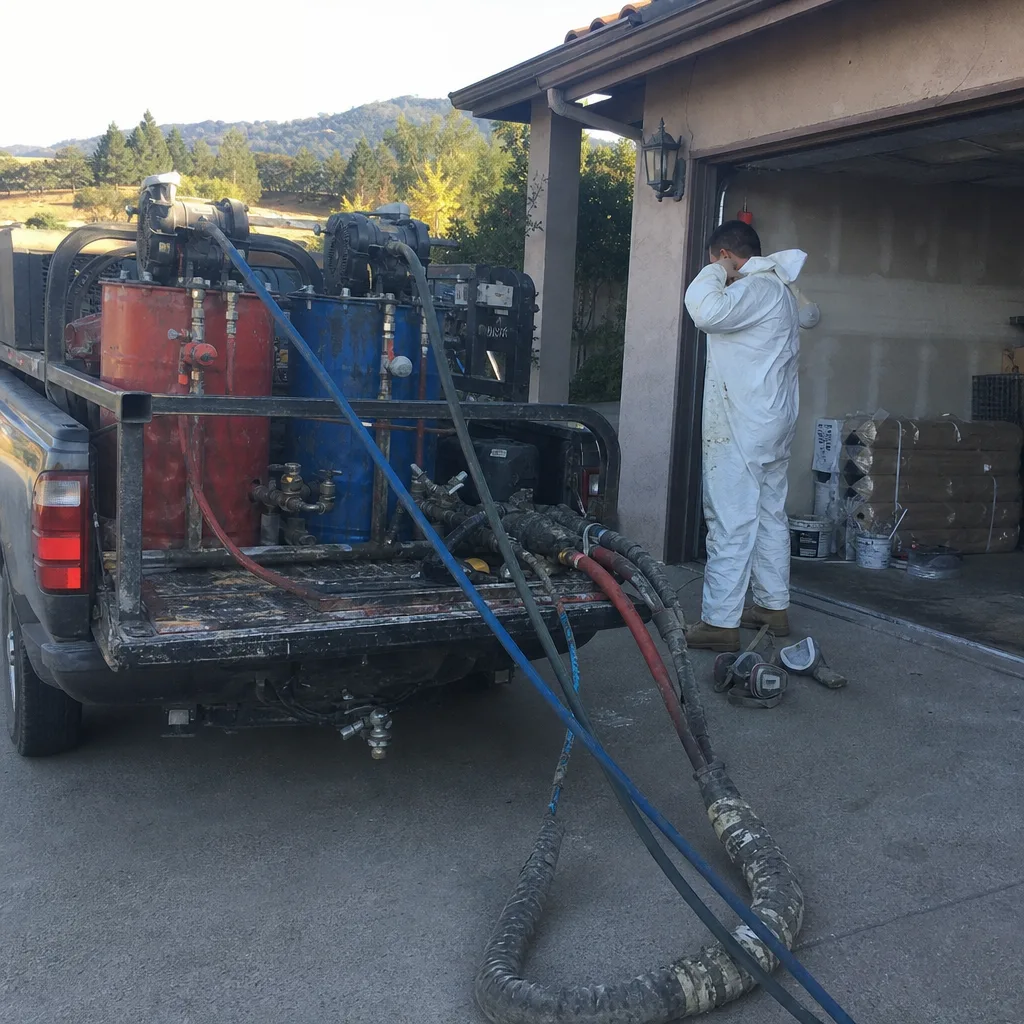
Proper baffles keep soffit vents clear of insulation and maintain the airflow path that prevents moisture buildup and ice dam conditions. In East Foothills, baffle installation is often paired with WUI-compliant vent upgrades, since the retrofit touches the eave assembly. We install baffles as standard practice on any job where we’re blowing to the eaves, and we document the vent cover ratings in your photo record.
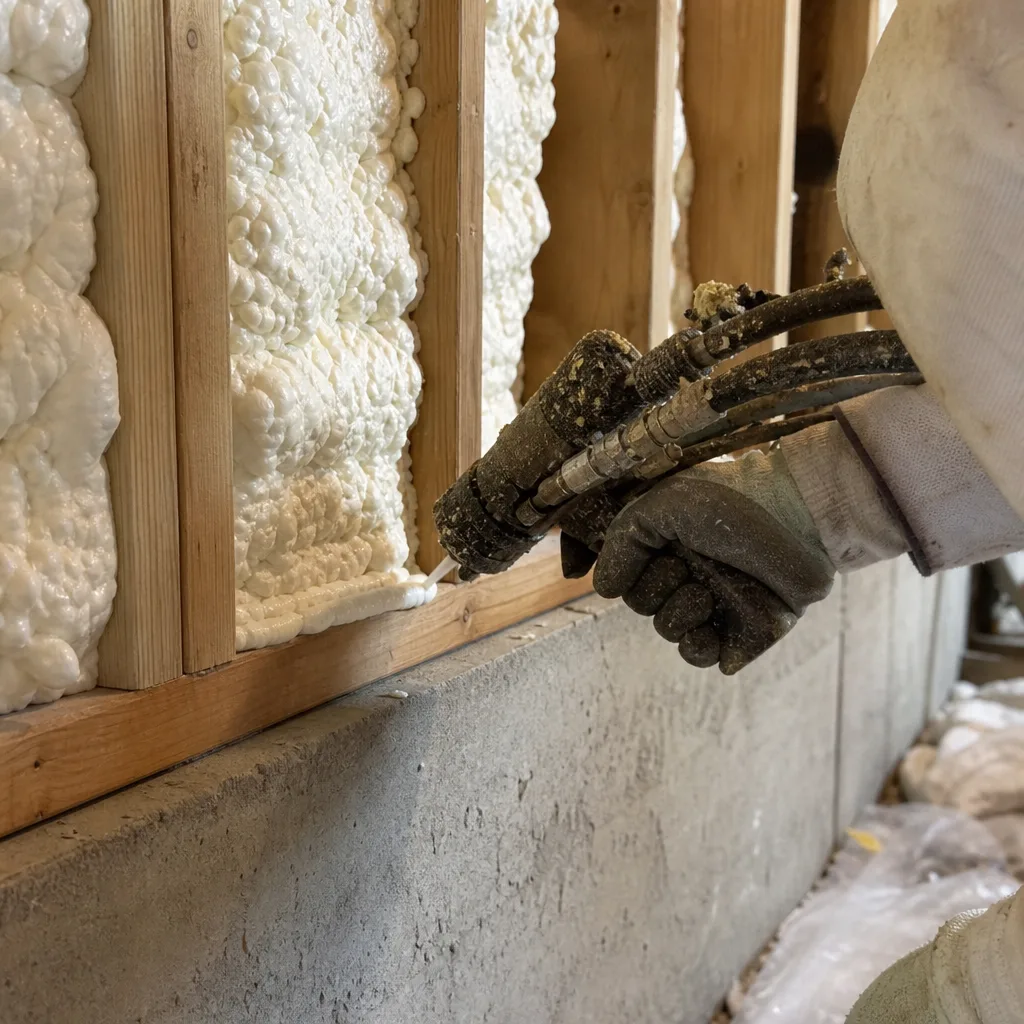
What happens when you call
- 1
A real person answersNo phone trees - you reach a local pro.
- 2
You get an upfront price rangeHonest numbers before anyone is dispatched.
- 3
A background-checked tech heads outLicensed & insured, dispatched right away.
- 4
You approve before work beginsNothing starts until you say go.
Trusted Brands We Service in East Foothills
We source insulation materials from Owens Corning, Johns Manville, Knauf, and Rockwool, among others. No proprietary lock-in. For East Foothills jobs, we keep Owens Corning blown-in fiberglass and ember-resistant vent covers in regional stock so we’re not waiting on a delivery while Diablo winds blow through your crawl space. If your home has specific material requirements for a WUI inspection or HOA guideline, we match the spec and show you the product data sheet before it goes in.
Common Attic Insulation Problems We See in East Foothills Homes
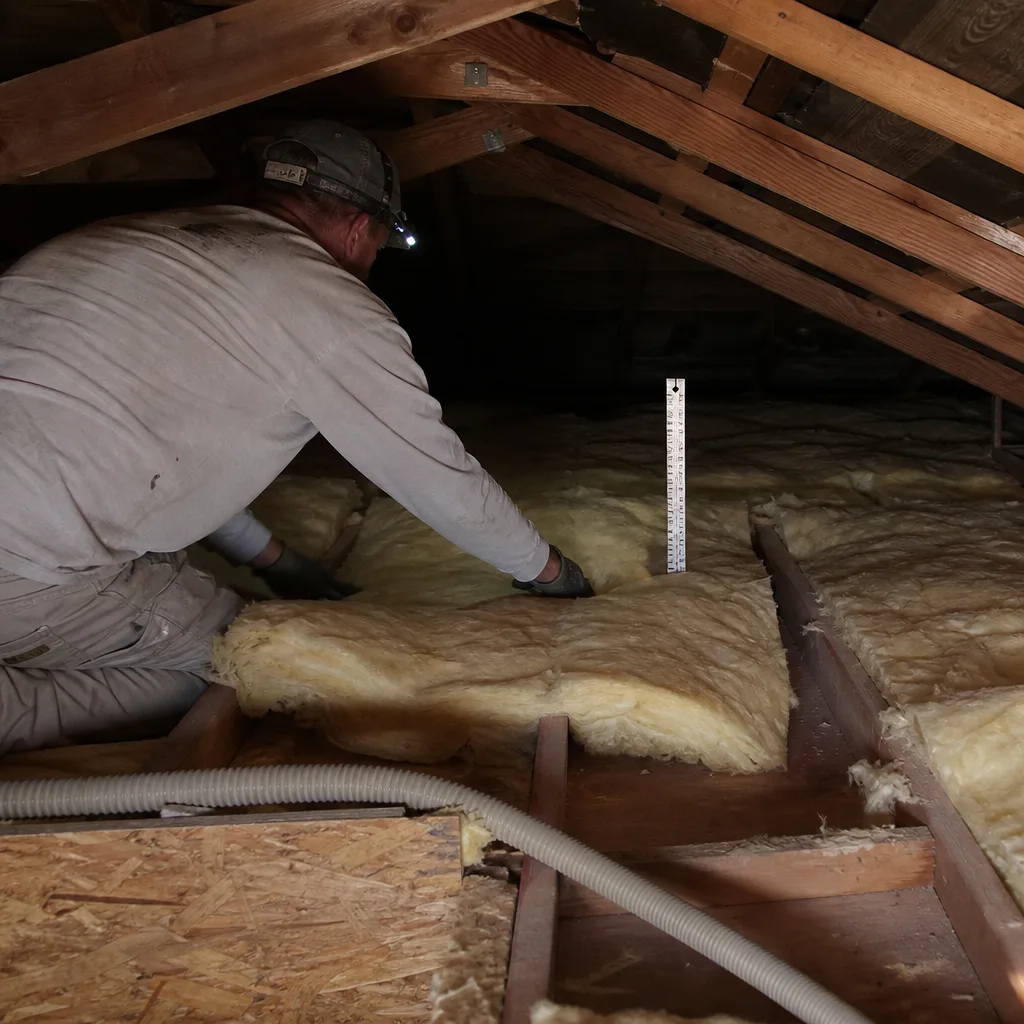
- Rodent-destroyed crawl-space insulation on open downhill foundations. The pier-and-beam and stepped foundations common in East Foothills create exposed under-floor areas on the downhill side. Rodents tunnel through floor insulation, and Diablo winds pressurize the cavity, stripping any remaining thermal performance and driving infiltration up through wall cavities into the attic.
- Unsealed attic bypasses in aging hillside ranches. Top plates, wire penetrations, and chimney chases in 1960s construction were rarely sealed to modern standards. During Diablo events, hot dry wind finds these gaps and reverses the attic’s intended thermal buffer, pushing conditioned air out and pulling attic heat in.
- Standard vent covers in WUI zones. Attic vents with standard mesh or plastic covers fail ember-resistance requirements that East Foothills inspectors increasingly enforce. Retrofits that don’t account for this trigger rework, second permits, and additional trips.
- Compressed or displaced batts from decades of foot traffic and settling. Original R-11 batts in East Foothills’s 1950s-1970s stock have often compressed to half their labeled thickness, or shifted entirely away from the eaves where they’re needed most.
Pricing for Attic Insulation in East Foothills, CA
Attic insulation costs in East Foothills reflect the hillside construction, WUI material requirements, and the air-sealing prerequisite that we never skip. Here’s what most jobs look like:
| Service | Typical Range in East Foothills |
|---|---|
| Attic Insulation Top-Up (to R-49) | $1,200 - $2,800 |
| Blown-In Attic Insulation (full floor, sealed) | $2,400 - $4,200 |
| Attic Insulation Replacement (remove, seal, reinstall) | $3,800 - $5,800 |
| Attic Baffles & Ventilation Prep (with WUI vent covers) | $800 - $1,600 |
| Air Sealing + Blower-Door Verification (add-on or standalone) | $1,400 - $2,600 |
What moves you within these ranges: attic square footage, current insulation condition, accessibility, whether we need to install WUI-compliant vent covers, and the extent of air sealing required before insulation goes in. Every job gets a written price before any work starts, under Haven Standard Clause 1. We also offer a Free Second Opinion on any written estimate you’ve already received. Call (669) 280-8103 for your written price.
We Also Serve Cities Near East Foothills
Our crews work throughout the southern Santa Clara Valley and surrounding hills, including East Foothills, Morgan Hill, San Jose, Los Gatos, and Alum Rock. If you’re on the slope or in the flatlands nearby, the same WUI expertise and hillside construction experience applies.
Serving East Foothills, CA - Our Local Coverage Area
We’re based in the East Foothills area and know this community well. Use the map below to see our service coverage - if you’re nearby, we can almost certainly help.
FAQs - Attic Insulation in East Foothills
Because the sloped Diablo Range terrain creates open, downhill crawl spaces on many homes that don’t exist in flat San Jose neighborhoods below. These exposed cavities become pressurized channels during Diablo wind events, gutting floor insulation performance and driving infiltration through aging wall cavities into the attic. We seal the rim joist and floor penetrations before we insulate the attic, so the thermal envelope actually holds. Call (669) 280-8103 and we’ll show you the infiltration path in your specific home.
Yes. WUI-zone retrofits that touch attic vents, eave assemblies, or crawl-space access points must use ember-resistant vent covers and fire-rated materials to pass inspection. Standard vent covers that contractors install by default in central San Jose will fail here. We stock WUI-compliant products and verify ratings before we close the job, so you don’t get flagged for rework. Under Haven Standard, you receive a photo record showing the installed vent covers and their fire ratings.
Yes, if the damage is confined to the attic and we’ve confirmed material availability. On a ranch-style home off Mt. Hamilton Road, our crew found rodent-tunneled and collapsed R-11 batts while the downhill crawl space sat fully open, feeding a wind-driven infiltration path that pushed the furnace to short-cycle. We air-sealed the exposed rim and floor penetrations, installed Owens Corning blown-in fiberglass to R-49 in the attic, and swapped the failing attic vent covers for ember-resistant ones to match WUI specs - one trip, and the house held heat through the next Diablo event. Call (669) 280-8103 to schedule an assessment; we’ll confirm whether your job matches this scope.
The elevated hillside position creates a hotter microclimate on south- and west-facing slopes compared to the valley floor, with amplified radiant heat loads from the angle of the terrain. Nighttime temperatures drop sharply, widening the daily thermal swing that your insulation must buffer. Without adequate R-value and a sealed envelope, your HVAC system short-cycles against the load, and you feel the temperature swing in the living space. Most East Foothills homes need R-49 in the attic to handle this range.
We install to R-49 for attics in East Foothills, which meets California Title 24 requirements and handles the hillside thermal swing better than the older R-30 or R-38 levels found in many 1960s homes here. If you’re topping up existing insulation, we calculate the current R-value and add the difference needed to reach 49. If we’re doing full replacement after rodent damage or removal, we blow to R-49 over a sealed floor. The written scope specifies the target before work starts.
Written by Wes Okafor, Owner at Topside Attic Insulation Morgan Hill, serving East Foothills and the greater Bay Area since 2016.