
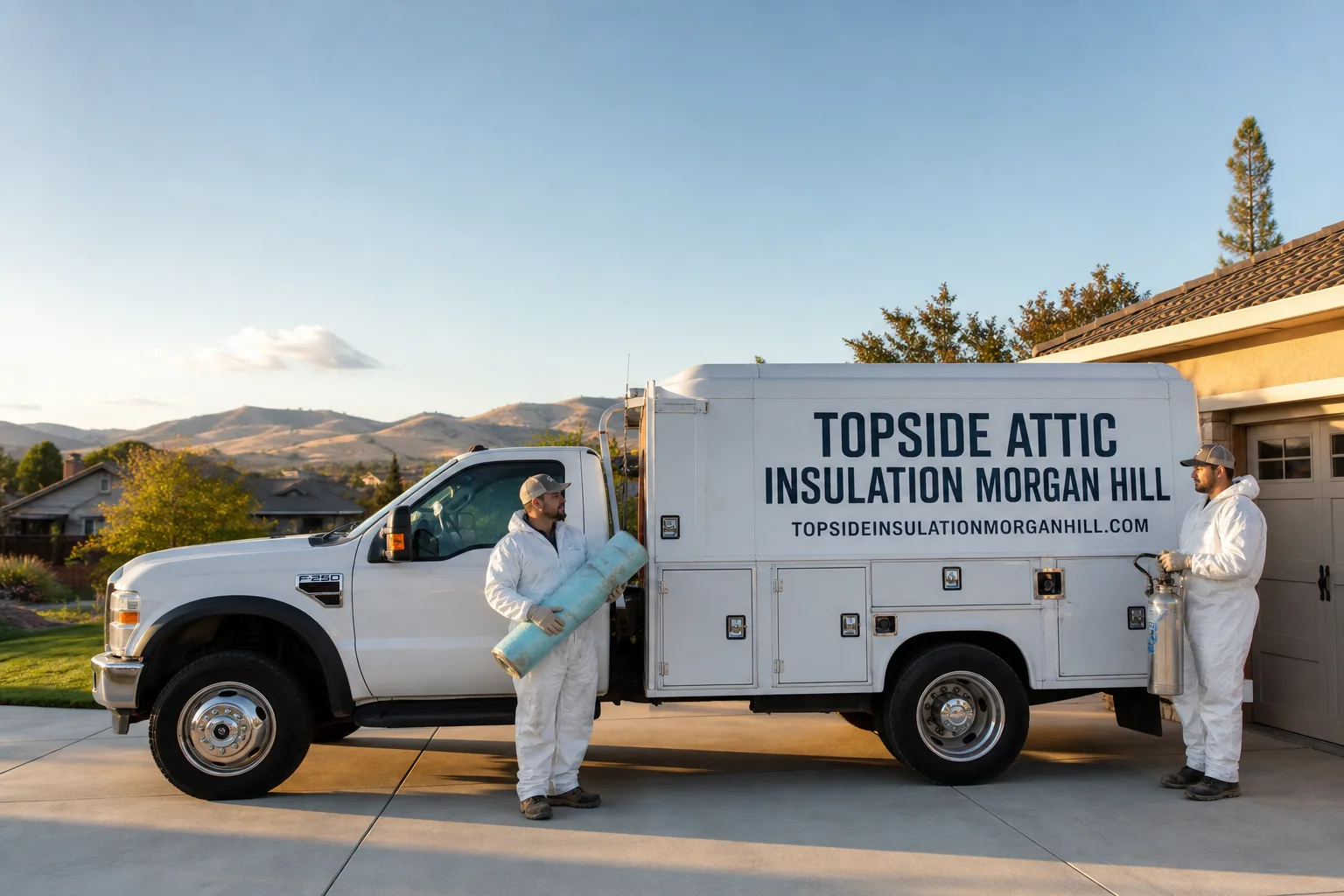
Fast, Reliable Blown-In Insulation Across Saratoga
Blown-in insulation in Saratoga, CA typically runs $2.80-$4.50 per square foot for attic work, with most complete jobs falling between $3,200 and $7,800 depending on attic size, existing material condition, and whether fire-rated specifications apply. Most Saratoga homeowners get a written price the same day we inspect, and our crews complete standard attic jobs in one day. Call (669) 280-8103 to schedule a free estimate with a written scope before any work starts.
We serve Saratoga from our San Francisco Bay Area dispatch office, and we’re familiar with the split personality this city presents: the flat valley-floor ranches near Saratoga Avenue and Prospect Road with their low-slope roofs and original 1950s-1970s batts, and the hillside estates along Pierce Road and Congress Springs with complex split-level footprints, deep crawl spaces, and CalFire fire-zone requirements that change what materials we can legally install. That local knowledge matters. An out-of-area crew that treats your Congress Springs attic like a standard Cupertino job can fail inspection and leave you re-doing the work.
Why Topside Attic Insulation Morgan Hill Is Saratoga’s Preferred Blown-In Insulation Company
We’ve sealed and insulated over 9,000 homes since 2016, and a significant share of those have been in Saratoga and the surrounding Santa Clara Valley. Our Saratoga customers tend to find us after reading our three-star reviews as carefully as our five-star ones, which we expect. They ask about blower-door numbers, documented photo records, and whether we’ll put the price in writing before anyone lifts a tool. We do.
Response time to Saratoga is typically same-day or next-day for estimates, with crews often available within 48 hours once the written scope is signed. Our technicians are background-checked, uniformed, and named on your schedule confirmation. You’ll get a text when they’re on the way. Calls are answered by a live person, 24/7.
What separates us from other insulation contractors in Saratoga is that we seal first, then insulate. We’ll never blow material over an unsealed attic floor. Our Blown-In Insulation team air-seals top plates, can lights, and penetrations before any insulation goes in, then publishes before-and-after blower-door numbers so you can see the performance change in a single figure. That’s Haven Standard practice, and it’s how we’ve operated since 2016.
Our Blown-In Insulation Services in Saratoga
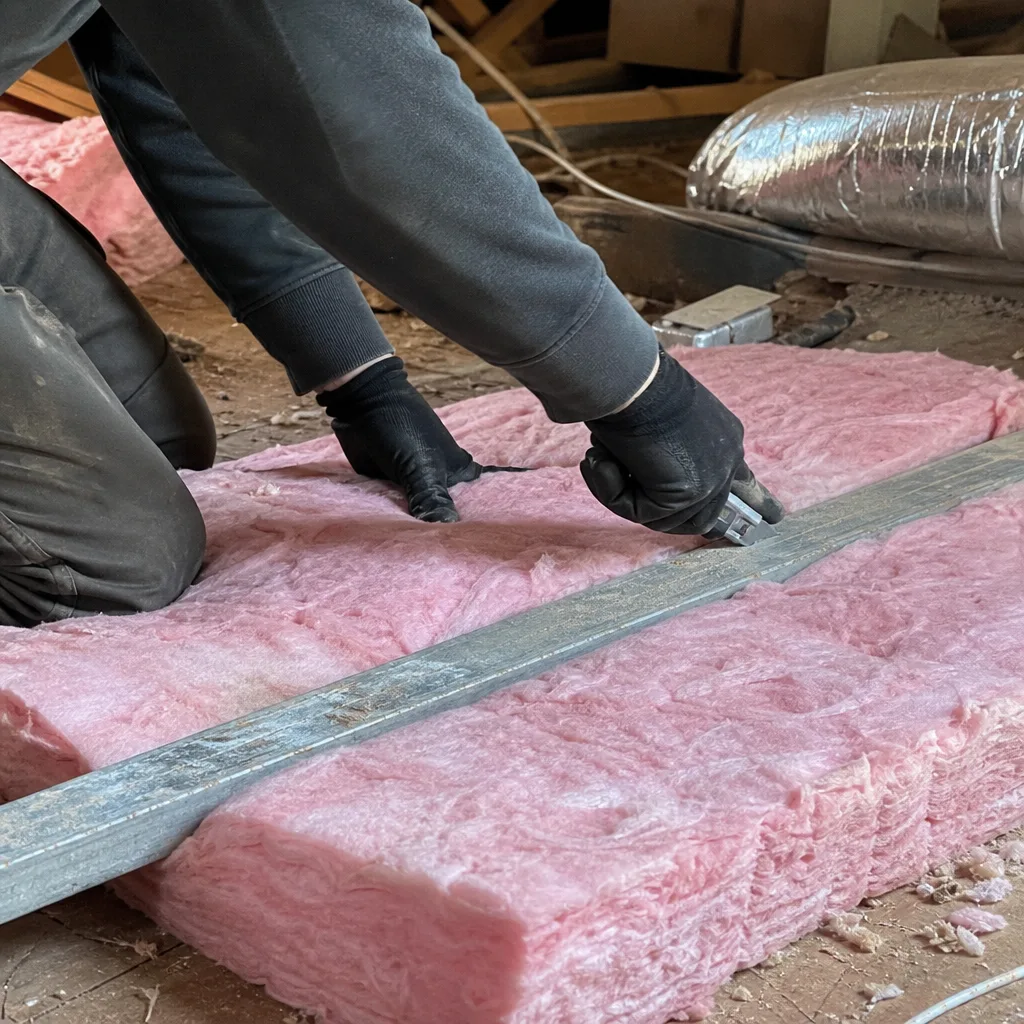
Blown-In Cellulose
We use GreenFiber cellulose for most standard Saratoga attic jobs, treated with borate for fire and pest resistance. Cellulose performs well in the valley-floor ranches near downtown, where attic temperatures stay moderate and the primary goal is lifting R-value from original R-11 batts to current Title 24 compliance. In Saratoga’s hillside zones, we verify CalFire VHFZ boundaries before specifying cellulose, as standard material may need to be paired with fire-rated barriers or switched to Rockwool in exposed sections. A typical blown-in cellulose job in Saratoga runs $2.80-$3.80 per square foot.
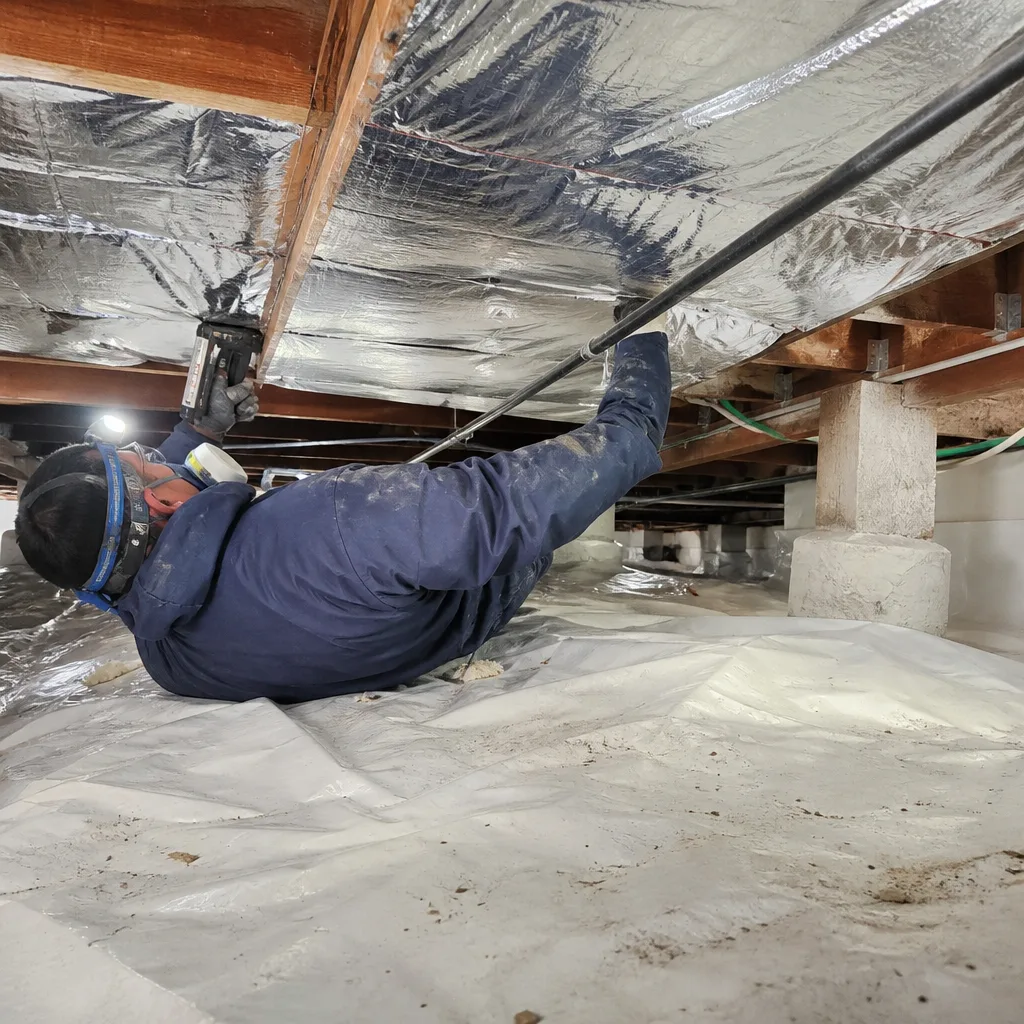
Blown-In Fiberglass
We install Owens Corning and Johns Manville fiberglass systems where moisture management is the priority. Fiberglass doesn’t absorb water the way cellulose can, which matters in Saratoga’s upper hillside elevations where Pacific marine air pushes through mountain gaps and creates condensation risks that flatland Cupertino attics rarely see. For 1960s-1990s split-levels with deep, irregular rooflines, fiberglass can be the safer long-term choice. Expect $3.20-$4.20 per square foot for blown-in fiberglass in Saratoga.
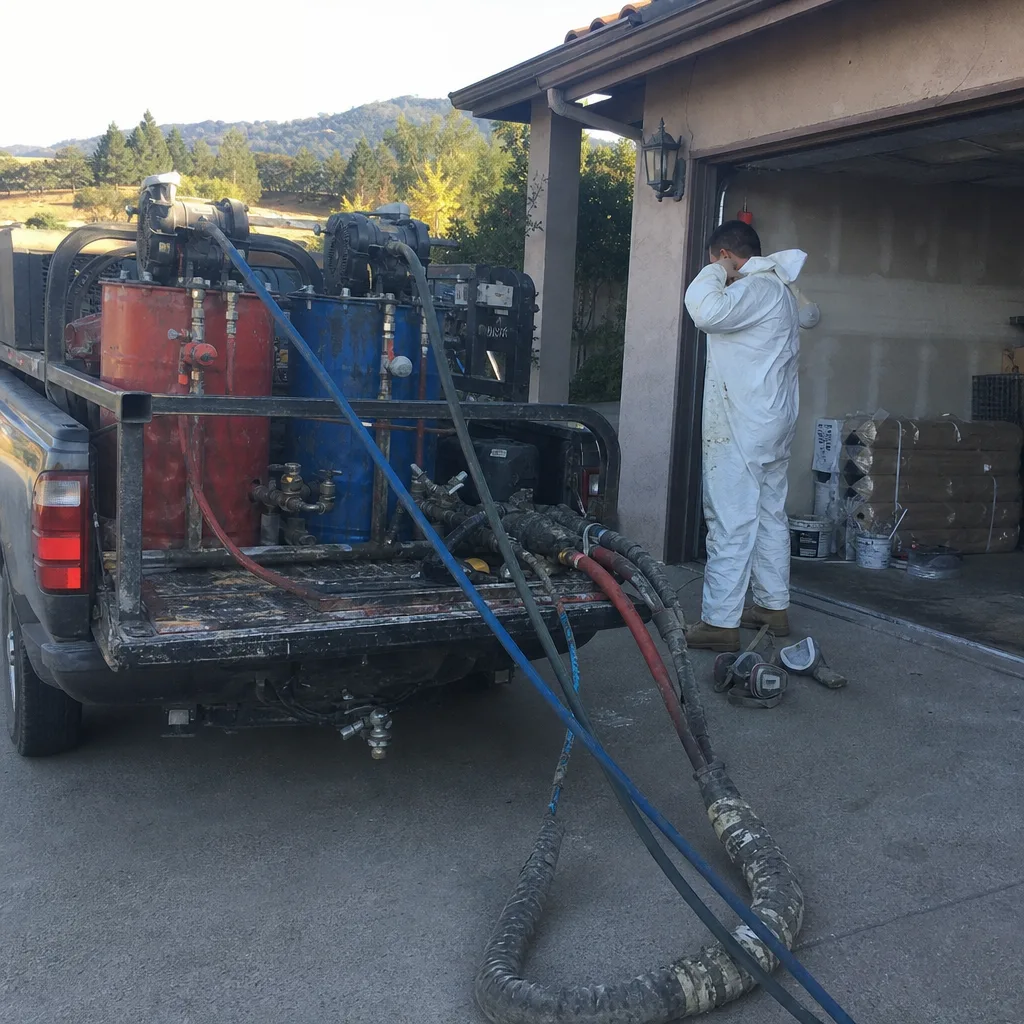
Dense-Pack Wall Insulation
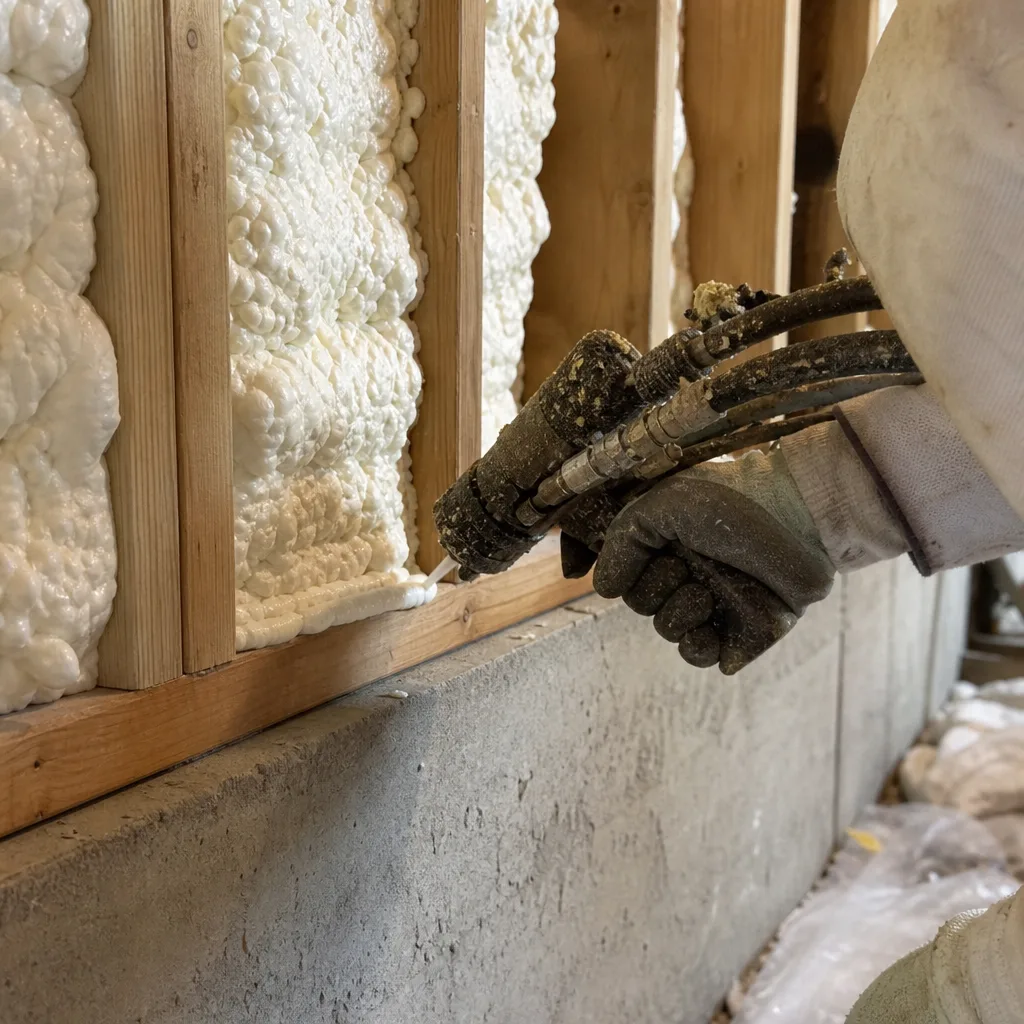
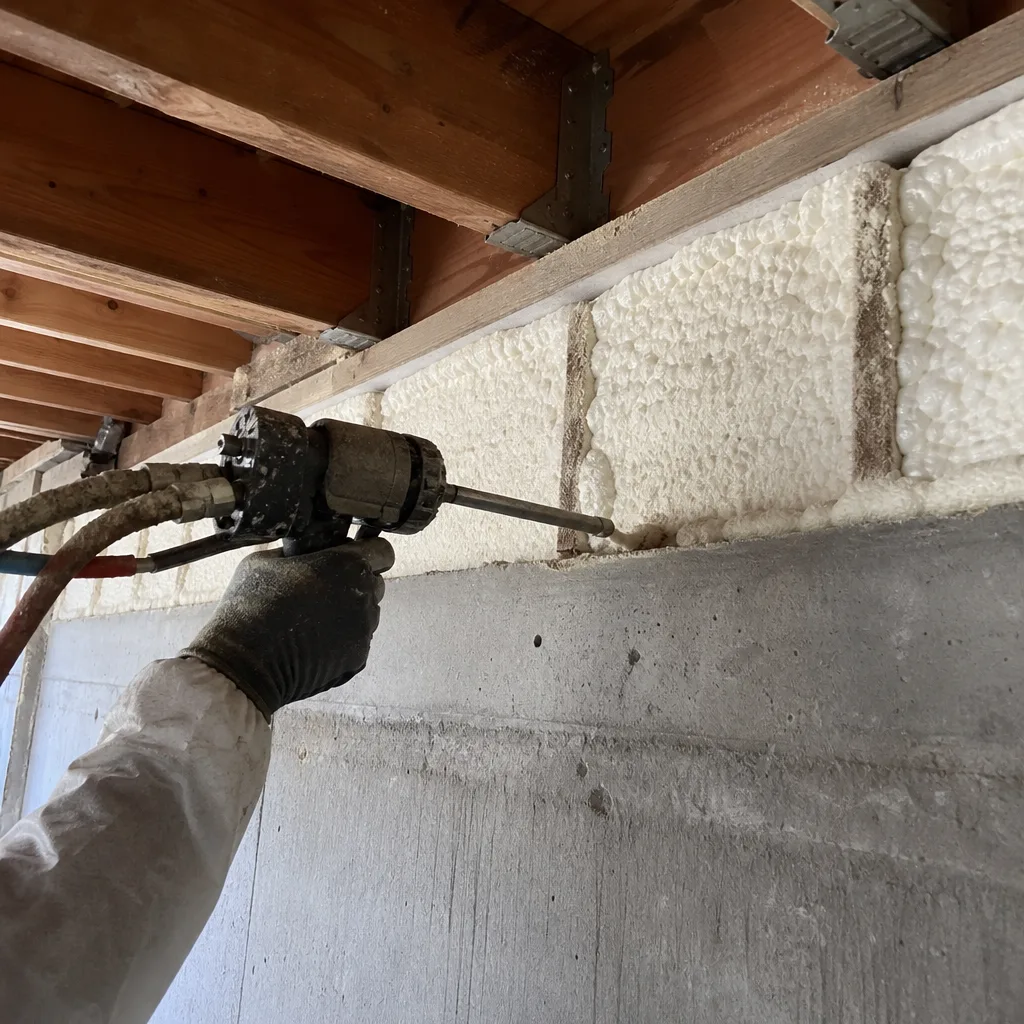
Saratoga’s 1950s-1970s ranch homes along Prospect Road and Saratoga Avenue often have empty stud cavities or degraded batts behind original drywall. Dense-pack cellulose, blown at 3.5 pounds per cubic foot, fills these cavities without removing interior walls. It’s labor-intensive but effective for homes where exterior retrofit isn’t practical. Dense-pack wall work in Saratoga typically ranges $4.50-$6.50 per square foot of wall area.
Blown-In Top-Up
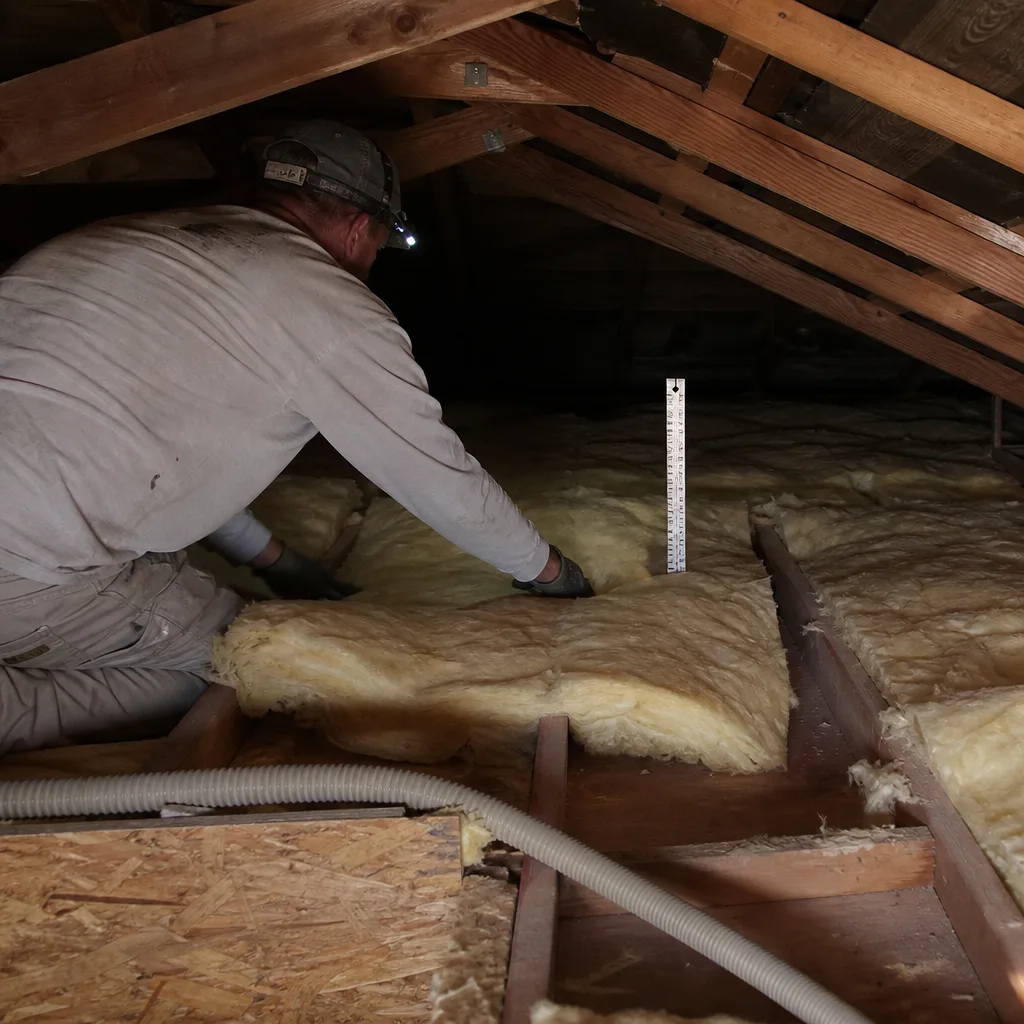
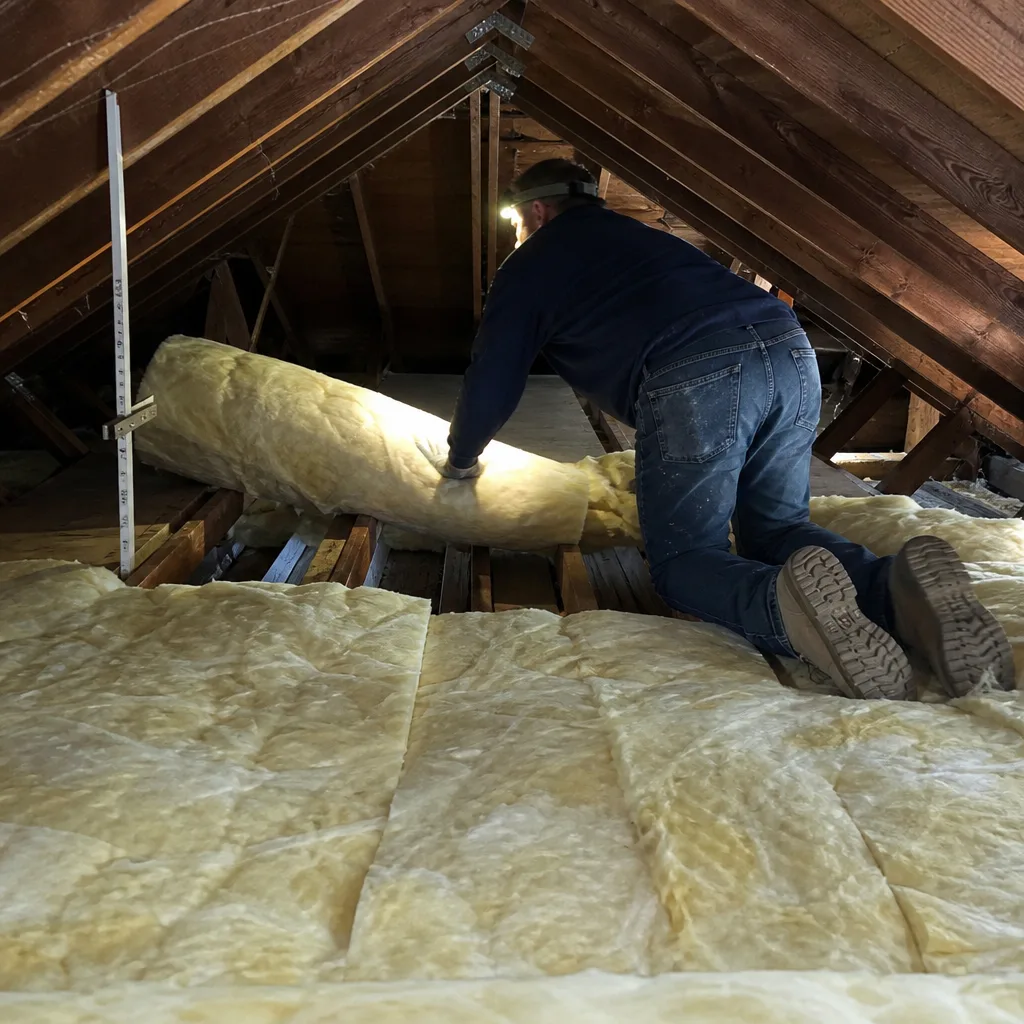
This is our most common Saratoga service. Original attic batts settle, degrade, and fall below current R-value requirements. A blown-in top-up adds material over existing insulation after air-sealing and inspection, avoiding full removal unless there’s contamination. For valley-floor ranches with accessible attics, a top-up is often the most cost-effective performance improvement available. Most Saratoga top-up jobs run $1,800-$4,200. We inspect first, because topping up over unsealed leaks or compromised vapor barriers traps moisture and wastes money.
What happens when you call
- 1
A real person answersNo phone trees - you reach a local pro.
- 2
You get an upfront price rangeHonest numbers before anyone is dispatched.
- 3
A background-checked tech heads outLicensed & insured, dispatched right away.
- 4
You approve before work beginsNothing starts until you say go.
Trusted Brands We Service in Saratoga
We source materials from Owens Corning, Johns Manville, Knauf, Rockwool, and GreenFiber, with no proprietary lock-in. For Saratoga’s fire-zone requirements, we stock Rockwool fire-rated blown-in and intumescent-treated cellulose at our Bay Area warehouse, so we’re not ordering specialty material after your inspection and pushing your job out two weeks. That local inventory matters when a Congress Springs or Pierce Road address needs VHFZ-compliant specs. We match the material to the building, not the other way around.
Common Blown-In Insulation Problems We See in Saratoga Homes
- Fire-zone failures on inspection. Blowing standard cellulose into a hillside attic that crosses into the CalFire VHFZ without switching to fire-rated or intumescent-treated material is a fail Saratoga inspectors actively enforce. Out-of-area crews routinely miss this boundary check.
- Moisture trapping in upper-hillside attics. Under-ventilating deep 1960s-1990s split-level attics where marine air creates condensation that new insulation then traps against the roof deck. We add baffles at every eave vent and verify airflow before blowing.
- Open-blow jobs over unsealed penetrations. Treating low-slope 1950s-1970s ranch attics near Saratoga Avenue as simple open-blow work when the low clearance, HVAC chases, and recessed-can penetrations require baffling and air-sealing first. Insulation without sealing is just expensive fluff.
- Wrong material for the microclimate. Specifying cellulose in a hillside attic with chronic moisture issues when fiberglass or Rockwool would perform better long-term. Saratoga’s elevation split means the right material in downtown may fail on Congress Springs.
Pricing for Blown-In Insulation in Saratoga, CA
Here’s what blown-in insulation costs in Saratoga’s current market:
| Service | Typical Range |
|---|---|
| Blown-in cellulose (attic, complete) | $3,200-$5,800 |
| Blown-in fiberglass (attic, complete) | $3,800-$6,500 |
| Blown-in top-up over existing | $1,800-$4,200 |
| Dense-pack wall insulation | $4.50-$6.50/sq ft |
| Fire-rated material upgrade (VHFZ zones) | +15-25% over base |
What moves you within these ranges: attic square footage, existing material condition, accessibility (low-slope ranches are easier than split-levels with multiple attic zones), whether air sealing is needed first, and whether your address triggers CalFire VHFZ specifications. Every job gets a Written Price Before Any Work Starts, with scope, warranty, and blower-door target documented before anyone lifts a tool. Call (669) 280-8103 for your exact number. Estimates are free.
We Also Serve Cities Near Saratoga
Our crews work throughout the Santa Clara Valley, including Saratoga and neighboring Cupertino, Los Gatos, Campbell, and Santa Clara. Fire-zone expertise developed on Saratoga hillside jobs translates directly to Los Gatos canyon properties and Cupertino’s Foothill areas. Valley-floor ranch experience applies across Campbell and Santa Clara. Same written-price standard, same documented photo record, same 365-Day Done Right Promise.
Serving Saratoga, CA - Our Local Coverage Area
We’re based in the Saratoga area and know this community well. Use the map below to see our service coverage - if you’re nearby, we can almost certainly help.
FAQs - Blown-In Insulation in Saratoga
Only if your property sits within CalFire’s Very High Fire Hazard Severity Zone, which covers hillside neighborhoods along Pierce Road, Congress Springs, and upper Highway 9. We verify the boundary during our initial inspection and specify Rockwool fire-rated or intumescent-treated cellulose if required. Flatland addresses near downtown Saratoga Avenue typically do not trigger this requirement. Call (669) 280-8103 and we’ll check your address before quoting.
Yes, if the existing batts are dry, uncontaminated, and the attic floor is air-sealed first. Most Prospect Road ranches carry R-11 or less, well below current Title 24 minimums. A blown-in top-up to R-38 or R-49 typically pays back in 4-7 years through reduced heating and cooling loads, and it’s less disruptive than full removal. We’ll inspect first and tell you honestly if your existing material can stay. Call (669) 280-8103 for a free evaluation.
Elevation changes everything. Saratoga’s upper hillside exceeds 1,500 feet near the Santa Cruz Mountains, running cooler and wetter than the valley floor with Pacific marine air pushing through mountain gaps. That creates condensation risks in attics and crawl spaces that flatland communities rarely see. We pay closer attention to vapor management, ventilation baffles, and moisture-resistant materials on hillside jobs. The CalFire VHFZ boundary adds fire-rated specifications that downtown jobs don’t face.
Yes. Split-level homes from the 1960s-1990s in Saratoga’s western hills are a core part of our workload. Deep crawl spaces and irregular rooflines require staged access, custom baffling, and careful material selection for confined spaces. We document the approach in your written scope before starting, and we photograph every stage. These jobs take longer than standard ranch attics, but the performance improvement is substantial when done correctly.
GreenFiber cellulose for most standard valley-floor jobs, Owens Corning or Johns Manville fiberglass where moisture is a concern, and Rockwool fire-rated blown-in for VHFZ addresses or exposed applications. We don’t default to one product. The material matches the building’s conditions, and we explain why in your written scope. If you have a competing quote specifying a different material, bring it in. Our Free Second Opinion means we’ll read it with you and explain the trade-offs.
Written by Wes Okafor, Owner at Topside Attic Insulation Morgan Hill, serving Saratoga since 2016 under The Haven Standard.