
GreenFiber Crawl Space Encapsulation: The Morgan Hill Owner’s Guide
GreenFiber crawl space encapsulation repair in Morgan Hill typically runs $2,800-$4,600 for a full vapor barrier and seal system on a standard 1,200-square-foot crawl, and we stock GreenFiber-compatible 6-mil and 10-mil reinforced polyethylene on our trucks for same-day starts. Most homeowners in Morgan Hill figure out something’s wrong when their hardwood floors cup in spring or they smell musty air pushing up through bathroom registers - both signs that the crawl space envelope has breached and is pulling ground moisture into the conditioned space above.
Which GreenFiber Models This Applies To
GreenFiber’s crawl space line isn’t branded with flashy model numbers like HVAC equipment. What you’re looking for is the specification tag on your existing vapor barrier or the original work order from your installer. GreenFiber distributes 6-mil standard, 10-mil reinforced, and 12-mil string-reinforced polyethylene sheeting, plus their proprietary tape system and mechanical fastening plates. The critical compatibility gotcha in Morgan Hill: GreenFiber’s 10-mil reinforced and 12-mil string-reinforced use different tape adhesives. The 12-mil requires butyl-based seam tape rated for polyethylene, not the acrylic tape that works fine on 6-mil and standard 10-mil. We’ve found rolls of the wrong tape left behind by previous contractors in crawl spaces off Monterey Road and near Anderson Lake - the seams failed within two seasons because the adhesive sheared off where groundwater wicks up through the soil.
We also stock Reflectix radiant barrier for hybrid encapsulation systems where the homeowner wants both ground moisture control and thermal reflection. For GreenFiber specifically, we match OEM spec or source equivalent from our regular suppliers - no proprietary lock-in, and we document exactly what goes down so you know what you’re walking on in ten years.
Signs Your GreenFiber Crawl Space Encapsulation Is Failing
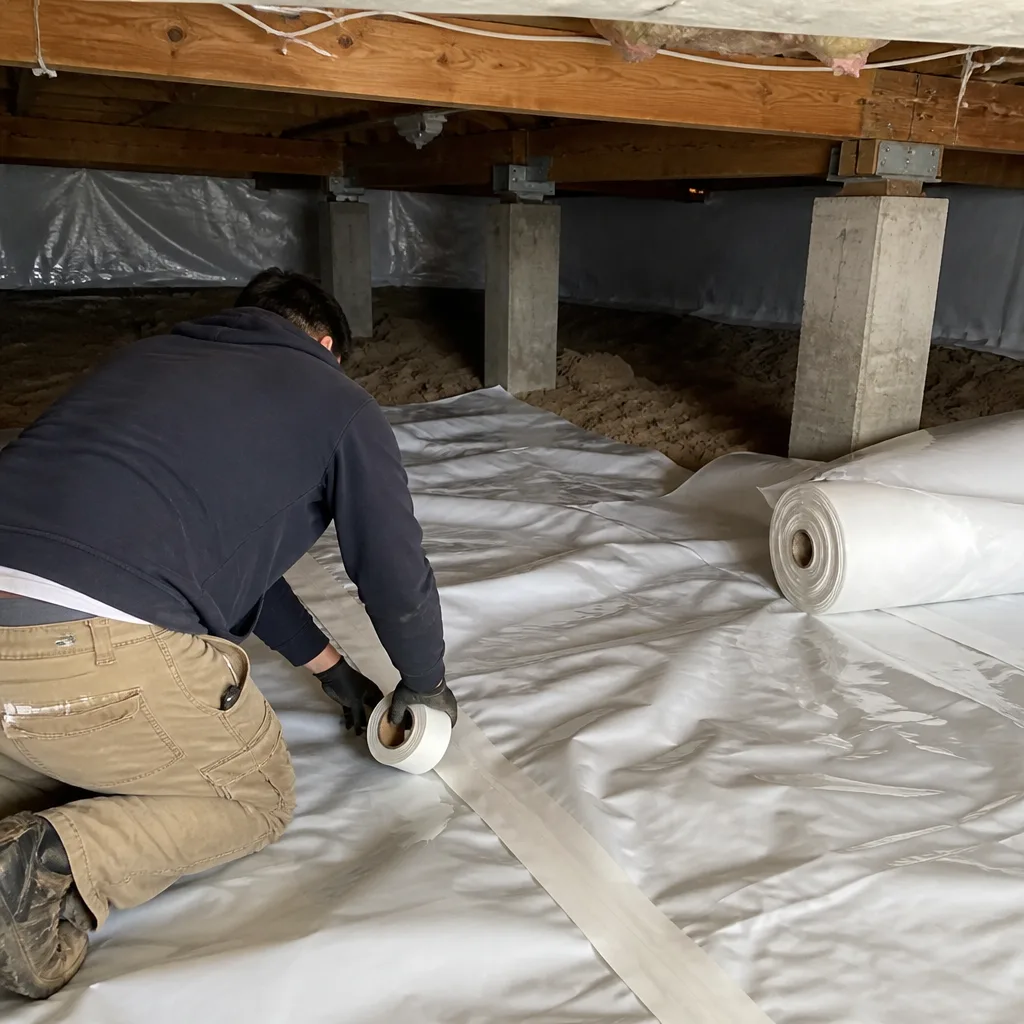
- Floor cupping or buckling above the crawl space. When the vapor barrier tears at seams or around pier posts, soil moisture rises through the crawl and hits the underside of your subfloor. In Morgan Hill’s clay-heavy soils near the Coyote Creek corridor, that moisture load is heavier than the barrier was sized for, and engineered hardwood shows it first.
- Musty odor from supply registers. Your HVAC return pulls air from every connected space. A breached encapsulation lets crawl air mix with conditioned air. The smell is the symptom; the path is usually a disconnected return duct or a missing seal at the floor joist bay.
- Visible condensation on ductwork or joists. This means relative humidity in the crawl is spiking above 70 percent, which happens when the barrier has holes, the dehumidifier (if you have one) is undersized for the now-larger moisture load, or the sump pump has failed. We see this often in older Morgan Hill homes near downtown where the original 6-mil barrier has degraded from UV exposure through foundation vents.
- Pest activity or rodent trails on the barrier surface. A torn barrier isn’t just a moisture problem - it’s an access highway. Rats and mice shred polyethylene to nest underneath, and their trails leave grease marks that tell us where the breach started.
- White mineral deposits (efflorescence) on the barrier or foundation walls. This is water vapor moving through concrete or soil, condensing, and leaving salts behind. It means your barrier is no longer blocking the soil-to-air vapor drive, or it was never sealed to the wall properly in the first place.
Replacement Cost & What’s Included
| Component | Typical Range (Morgan Hill) |
|---|---|
| 6-mil standard polyethylene, full encapsulation | $2,800 - $3,400 |
| 10-mil reinforced, full encapsulation | $3,200 - $4,000 |
| 12-mil string-reinforced, full encapsulation | $3,800 - $4,600 |
| Dehumidifier addition or replacement | $1,400 - $2,200 |
| Sump pump installation (if no pit exists) | $900 - $1,500 |
What drives the range: crawl square footage, pier post count (each needs custom cutting and sealing), existing debris removal, and whether the foundation walls need wire brush prep for wall seal adhesion. Our price includes removal of the failed barrier, soil prep, new barrier installation with mechanical fastening at perimeter and piers, seam taping with material-matched adhesive, wall sealing to 6 inches minimum, and a Documented Photo Record of every phase. Before-and-after moisture readings with a calibrated thermo-hygrometer are included; blower-door testing applies if we’re also air-sealing the floor above. Under Haven Standard Clause 1, you get the written price before anyone enters the crawl space, and the 365-Day Done Right Promise covers the full installation.
DIY or Call Us?
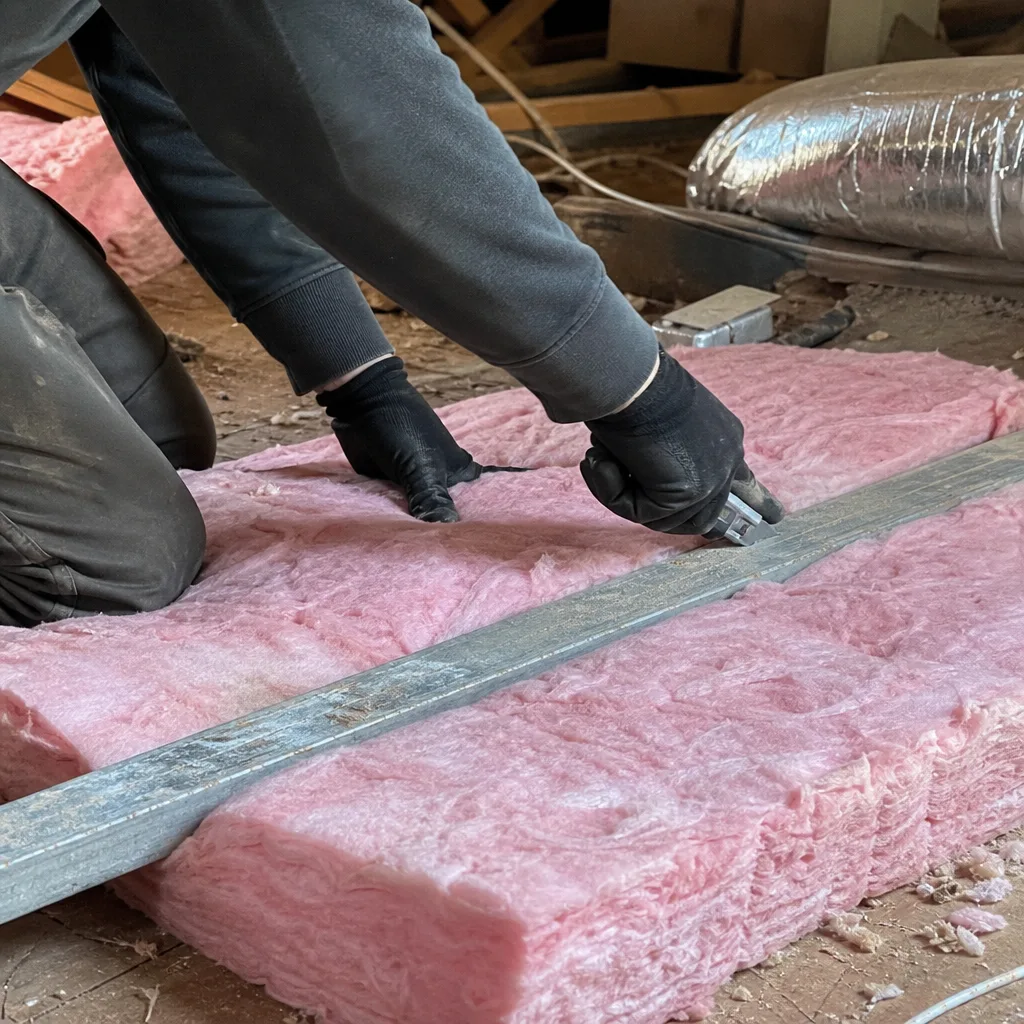
Here’s what you can safely check yourself: look at your crawl space access hatch for visible tears, shine a flashlight on the barrier surface for standing water or obvious holes, and note any musty smell intensity. What goes wrong fast with DIY encapsulation: working in confined spaces with sharp soil contaminants, cutting polyethylene around pier posts without leaving stress points that tear within a year, and using the wrong tape for your barrier weight. The 12-mil butyl-tape mistake we mentioned above? That’s a $3,400 do-over. We also find homeowners in Morgan Hill install barriers that stop at the wall instead of sealing up it, which leaves a direct vapor path. No safety hazard like a garage door spring, but the labor in a 24-inch crawl is punishing and the detail work determines whether you’re back in the same spot in three years. Call (669) 280-8103 and we’ll read your existing setup with you - free second opinion on any written estimate you’ve already received.
FAQs
A properly installed 10-mil or 12-mil system should last 15-20 years in Morgan Hill’s climate, though the 6-mil standard often shows seam degradation at 8-12 years due to our seasonal groundwater fluctuation and the thermal cycling between warm crawl summers and cooler winters. The 10-mil reinforced we typically recommend balances longevity against cost without the overkill of 12-mil for most residential crawls. Call (669) 280-8103 and we’ll assess your specific soil conditions and ventilation setup.
Small punctures under 4 inches can be patched with matching material and proper seam tape if the surrounding polyethylene is still supple and the tear isn’t at a stress point. We do this on about 20 percent of the Morgan Hill calls we get. If the barrier is brittle, has multiple seam failures, or was installed with the wrong tape originally, patching is expensive decoration - you’re chasing leaks for years. We document the condition with photos and give you both options in writing.
Most residential crawls in Morgan Hill take one to two days: half a day for removal and prep, half to full day for installation and sealing, plus cure time for wall sealant if we apply it. We don’t rush the wall seal - it needs to skin over before the barrier goes up or you’ll get slippage. You’ll know the schedule before we start because Haven Standard requires a written scope with timeline.
We stock GreenFiber-compatible 6-mil, 10-mil, and 12-mil reinforced polyethylene, plus butyl and acrylic seam tapes, mechanical fastening plates, and wall seal adhesives. We’re an independent service provider, not affiliated with GreenFiber, but we source to their published specs and can match your existing system. For same-day starts in Morgan Hill, we need to confirm your crawl square footage and pier count by phone - call (669) 280-8103.
Written by Wes Okafor, Owner & Lead Insulation Technician, Topside Attic Insulation Morgan Hill at Topside Attic Insulation Morgan Hill, serving Morgan Hill and nearby areas.