
Icynene Attic Insulation: The Morgan Hill Owner’s Guide
Most Icynene open-cell spray foam attic insulation jobs in Morgan Hill run between $2,800 and $5,400 installed, depending on square footage and whether the existing material needs full removal or targeted patching. We stock Icynene-compatible foam and equipment on our trucks, and we can usually inspect and quote same-day. Homeowners typically discover a problem when their upstairs rooms won’t stay cool through a Morgan Hill August afternoon, or when they spot yellowing, crumbling, or moisture-stained foam during a ductwork check.
Which Icynene Models This Applies To
Icynene’s residential open-cell line breaks into two series that matter for Morgan Hill attics: the classic LD-C-50 (light-density, 0.5 lbs per cubic foot) and the newer Icynene Classic Max, which runs slightly denser at 0.6 lbs. The label is usually stamped on a tag left by the original installer near the attic hatch or on the rim joist. If you can’t find it, we measure density with a core sample and check the cell structure under magnification, open-cell versus closed-cell. LD-C-50 was the standard spec in South County builds from roughly 2008 to 2018, so if your home went up near Madrone or off East Main during that window, odds are you’re looking at the original formula.
OEM Icynene foam is manufactured to a specific expansion ratio and VOC profile, but for repairs and partial fills we also use Demilec Heatlok Soya, which matches the R-value per inch (3.7 for open-cell at 1 inch) and bonds to cured Icynene without delamination. The gotcha is moisture: Icynene open-cell is vapor-permeable by design, which is fine in Morgan Hill’s dry-summer climate, but if your roof sheathing shows staining, we need to solve the ventilation before we patch the foam or we’re sealing moisture into the assembly. We don’t push proprietary lock-in, we source from Icynene, Demilec, and others, and we tell you which we’re using before we start.
Signs Your Icynene Attic Insulation Is Failing
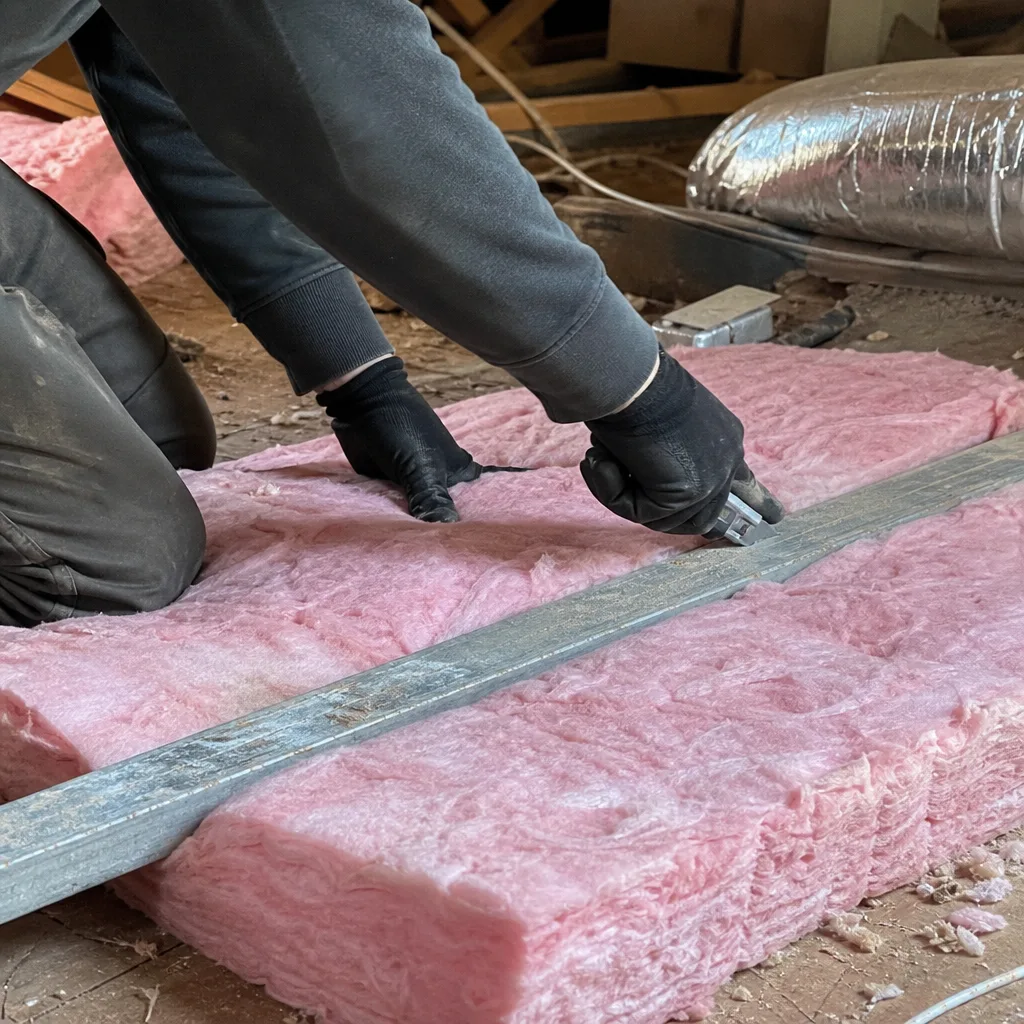
- Yellowing or browning of the foam surface. UV degradation hits any spray foam left exposed, and in Morgan Hill attics with gable vents or missing baffles, the combination of summer heat and light streaming through vent openings breaks down the top surface. The foam doesn’t fall apart immediately, but the degraded layer loses its adhesion and creates a thermal bypass.
- Crumbly texture when touched. Properly cured open-cell should feel firm but slightly springy, like stale bread. If it powders under light pressure, the mix ratio was off during original installation, a common issue with fly-by-night crews who rushed the job in the 2010s building boom. We see this in the older subdivisions off Monterey Road.
- Moisture beads or sheathing stains directly against the foam. Open-cell allows vapor through, which is the design, but if your attic ventilation is choked with dust or the soffit vents are painted shut, that vapor condenses on the cooler sheathing. The foam isn’t the problem, the airflow is, and patching foam without fixing ventilation is wasted money.
- Hot second-floor rooms despite the AC running continuously. This is how most Morgan Hill homeowners find us. The foam looked fine from the hatch, but thermal imaging shows gaps at the top plates or around recessed-can boots where the original crew missed spots. We find these with a blower-door test, a pressurization reading that shows, in one number, how much conditioned air your building envelope is losing.
- Rodent damage or nesting material packed against the foam. Squirrels and roof rats don’t eat the foam, but they tunnel through it if they’re determined, especially near eave gaps. In the hillside homes above Anderson Lake, we see this where tree canopy touches the roofline. The repair involves removing the contaminated section, sealing the entry, and re-foaming.
Replacement Cost & What’s Included
| Scope | Typical Range in Morgan Hill |
|---|---|
| Spot repair (up to 50 sq ft, one area) | $850 - $1,400 |
| Partial re-foam (150-300 sq ft, multiple zones) | $2,200 - $3,600 |
| Full attic removal and replacement | $4,200 - $5,800 |
| Air sealing package (top plates, penetrations, hatch) | $680 - $1,100 |
What drives the range: attic square footage, accessibility (truss spacing and headroom), whether we need to remove degraded material first, and whether the roof deck needs drying time before new foam goes down. Every quote is a written price before any work starts, Haven Standard Clause 1. The price includes foam, labor, cleanup, and a Documented Photo Record of the completed work. Our 365-Day Done Right Promise covers adhesion, coverage completeness, and the stated R-value assembly.
DIY or Call Us?
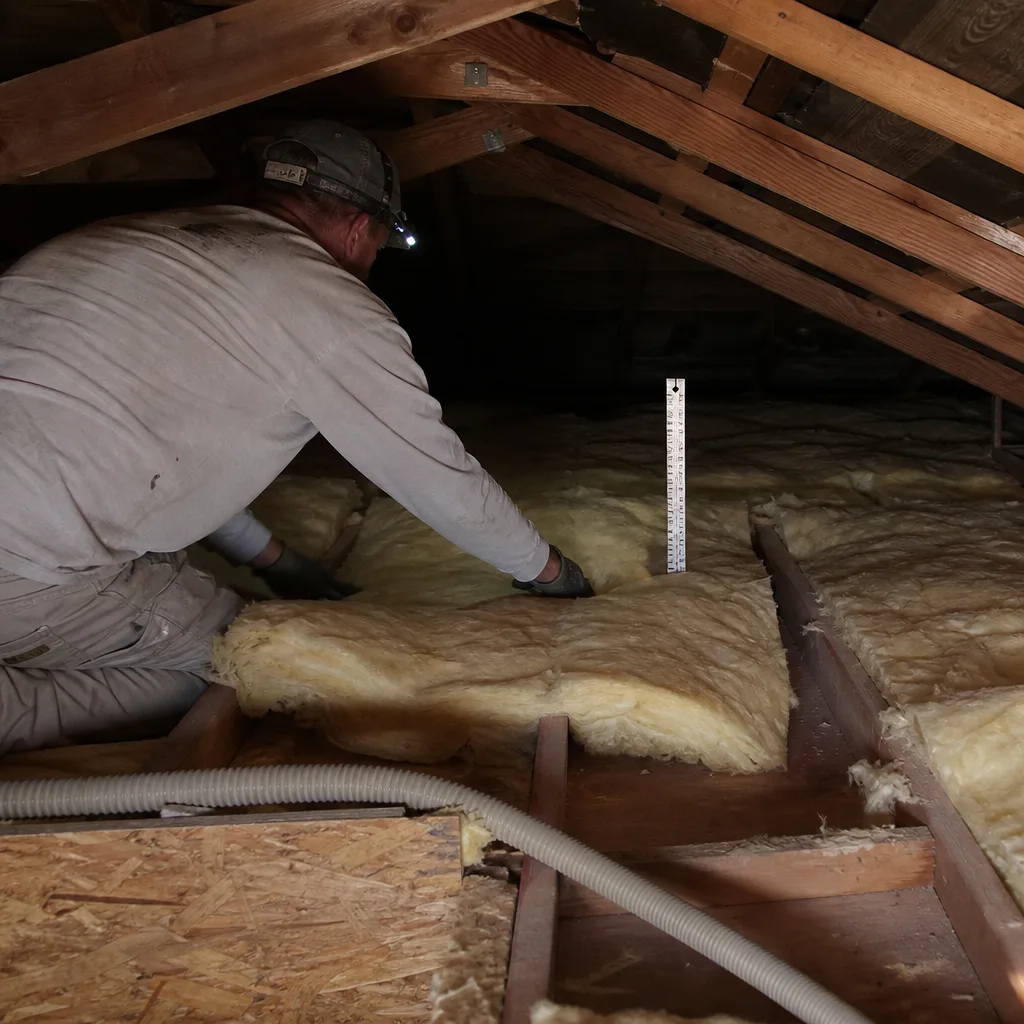
You can safely check a few things from the attic hatch: look for the Icynene label, note any obvious gaps or discoloration, and take photos with your phone for reference. Do not, however, attempt to remove or apply spray foam yourself. Two-part polyurethane requires precise temperature control, mix ratio calibration, and respiratory protection beyond a hardware-store mask. Off-ratio foam shrinks, cracks, and traps moisture, and in a vented Morgan Hill attic with summer sheathing temperatures exceeding 140°F, improperly mixed foam can release isocyanates for weeks. We’ve been called in to fix homeowner spray-foam jobs twice in the last three years, both times costing more than our original-quote would have. Seal the leaks first. The insulation just holds what you’ve already captured. Call (669) 280-8103 and we’ll inspect, quote in writing, and schedule the work if it makes sense.
FAQs
Properly installed open-cell spray foam lasts the life of the building, 25 years or more, but only if the attic ventilation is maintained. In Morgan Hill’s climate, the bigger risk is UV degradation on exposed surfaces and rodent damage, not chemical breakdown. Call (669) 280-8103 for a free inspection if you’re unsure of your foam’s condition.
Yes, if the damage is localized and the surrounding foam is sound. We cut back to solid material, verify the substrate is dry, and re-foam the void. If the failure is widespread yellowing, moisture saturation, or off-ratio cure, partial or full replacement is the honest recommendation. We quote both options when they exist, estimates are free.
Spot repairs finish in a single day. Full attic removals take two to three days: one for removal and drying verification, one for air sealing and re-foam, sometimes a third if the substrate needs extended drying. We don’t rush the cure, full structural integrity requires 24 hours before you can walk on it. Call (669) 280-8103 to check current scheduling.
We stock Icynene-compatible open-cell foam, Demilec Heatlok for matching repairs, and all air-sealing materials: caulk, foam, rigid baffles, and weatherstrip for attic hatches. For full-foam jobs, we order fresh material to your job date, two-part foam has a limited shelf life once opened. Same-day inspections are available, call (669) 280-8103.
Topside Attic Insulation Morgan Hill is an independent service provider, not affiliated with Icynene or Icynene Corporation. We also stock parts and materials for Reflectix and other major insulation brands.
Ready to get your attic sorted? Call (669) 280-8103 for a free estimate. A live person answers 24/7, and you’ll get a written price before any work starts.
Written by Wes Okafor, Owner & Lead Insulation Technician, Topside Attic Insulation Morgan Hill at Topside Attic Insulation Morgan Hill, serving Morgan Hill and nearby areas.