
Rockwool Spray Foam Insulation in Morgan Hill: What to Know First
We provide independent Rockwool spray foam insulation in Morgan Hill, typically scheduling diagnostic visits within 24 to 48 hours and completing most jobs same-day once the scope is set. Most attic and rim-joist spray foam work in Morgan Hill runs between $2,800 and $6,400 depending on cavity depth, accessibility, and whether the Rockwool batt or board needs partial extraction first. We publish a written price before any work starts, and every job closes with a Documented Photo Record.
This page is for Rockwool owners in Morgan Hill who need spray foam insulation integrated with existing Comfortbatt, Safe’n’Sound, or AFB evo installations, or who are replacing Rockwool with open-cell or closed-cell foam in attics, walls, or garage ceilings. Call (669) 280-8103 to schedule a free estimate with a written scope.
How Rockwool Products Fail - and How We Fix Them
- Comfortbatt R-23 compressed in 2×6 walls loses labeled R-value. In Morgan Hill’s older homes near downtown, we find Comfortbatt jammed into stud bays that were framed at 15 inches on-center instead of 16 inches, or wedged around electrical boxes. The batt crushes to 4.5 inches and performs closer to R-19. We extract the compressed material, air-seal the bay with closed-cell foam at the perimeter, then install open-cell spray foam to full depth so the cavity performs at true R-21 without compression gaps.
- Safe’n’Sound in interior walls absorbs moisture when adjacent bathrooms vent into attic space. This is common in the 1980s-era homes off East Main where flex duct was run through unconditioned attic space. The Rockwool doesn’t mold, but it water-stains and sags, creating a thermal bypass. We remove the affected batts, seal the duct penetration with mastic and closed-cell foam, then reinstall spray foam in the wall cavity and add proper duct insulation to code.
- AFB evo board seams gap in cathedral ceilings after seasonal cycling. Morgan Hill’s 40-degree winter lows and 95-degree summer peaks expand and contract the rafter assembly. AFB evo’s rigid edges pull back from the rafter 1/8 to 3/16 inch over three to five years. We pull the boards, seal the rafter bays with closed-cell spray foam for a monolithic air barrier, and add vent baffles where the roof deck needs airflow. No more seam leakage.
- Rockwool Comfortboard 80 on exterior walls creates a dew-point miscalculation when paired with interior vapor retarders. We see this in the newer builds off Condit Road where builders installed Comfortboard 80 with a polyethylene interior vapor barrier. In Morgan Hill’s mixed-humid climate, the wall can’t dry to either side. We remove the poly, assess the sheathing with a moisture meter, and retrofit the cavity with open-cell spray foam that manages vapor drive without trapping water.
- Top-plate gaps behind Rockwool attic installations bypass the insulation entirely. This is the one Wes Okafor flags on every Morgan Hill walkthrough. The Rockwool itself is fine, but the batt lays over a leaky top plate where drywall meets the plate, or around plumbing vent stacks. We lift the Rockwool, seal every penetration with closed-cell foam and acoustic sealant, then either relay the batt or convert to spray foam depending on the homeowner’s performance target. Seal the leaks first. The insulation just holds what you’ve already captured.
Our Rockwool Spray Foam Insulation Process
- 1
Diagnostic walkthrough with thermal imaging. We scan the Rockwool installation for bypasses, compression, and moisture staining, then run a blower-door test if the homeowner wants the before-and-after numbers.
- 2
Written scope and price. We specify whether Rockwool stays, gets extracted, or gets supplemented, and whether we use open-cell or closed-cell foam. The price is flat. No work starts without a signature.
- 3
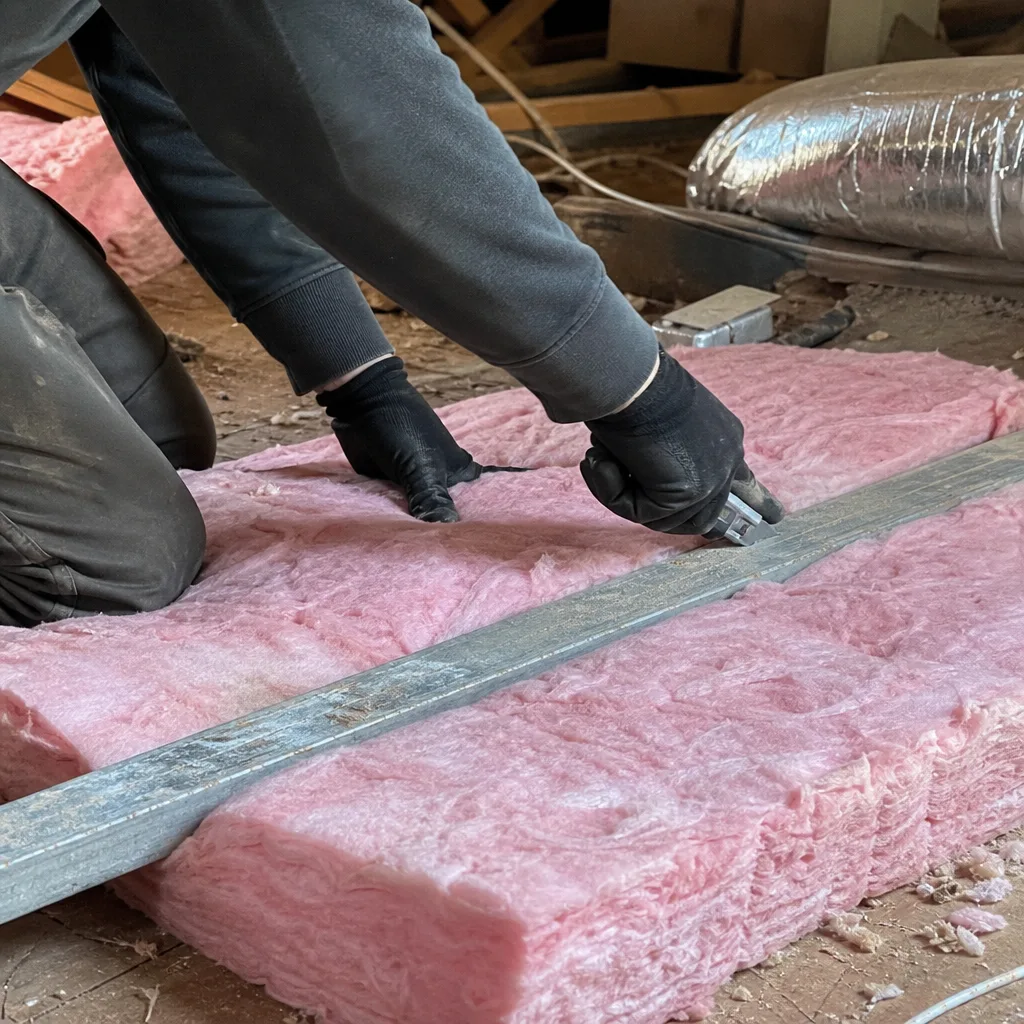
Extraction and air sealing. We bag removed Rockwool for proper disposal, then seal top plates, can-light boots, attic hatches, and penetrations with closed-cell foam and acoustic sealant.
- 4
Spray foam installation. We install to the specified depth, shave open-cell flush with studs if it’s a wall cavity, and verify coverage with thermal imaging before the substrate cools.
- 5
Post-job documentation. We deliver the Documented Photo Record, the written warranty, and on applicable jobs, the before-and-after blower-door readings. The 365-Day Done Right Promise begins when we leave.
What Rockwool Spray Foam Insulation Costs in Morgan Hill
| Job Type | Typical Range | What Moves the Price |
|---|---|---|
| Rim joist, closed-cell (approx. 150 linear ft) | $2,800 - $4,200 | Crawl height, existing Rockwool extraction, rodent damage repair |
| Attic floor, open-cell over sealed deck | $3,600 - $5,400 | Square footage, hatch dam construction, can-light boxing |
| Garage ceiling, closed-cell | $4,200 - $6,400 | Clearance to roof deck, ductwork relocation, firewall continuity |
| Wall cavity retrofit (partial Rockwool extraction) | $5,500 - $8,200 | Number of electrical boxes, plumbing stacks, window returns |
These ranges reflect Morgan Hill’s current labor and material costs. We don’t estimate over the phone for spray foam jobs; the cavity conditions vary too much. Bring us any written estimate and we’ll give you a free second opinion, line by line. Call (669) 280-8103 to schedule.
Why Morgan Hill Homeowners Call Topside Attic Insulation Morgan Hill for Rockwool Work
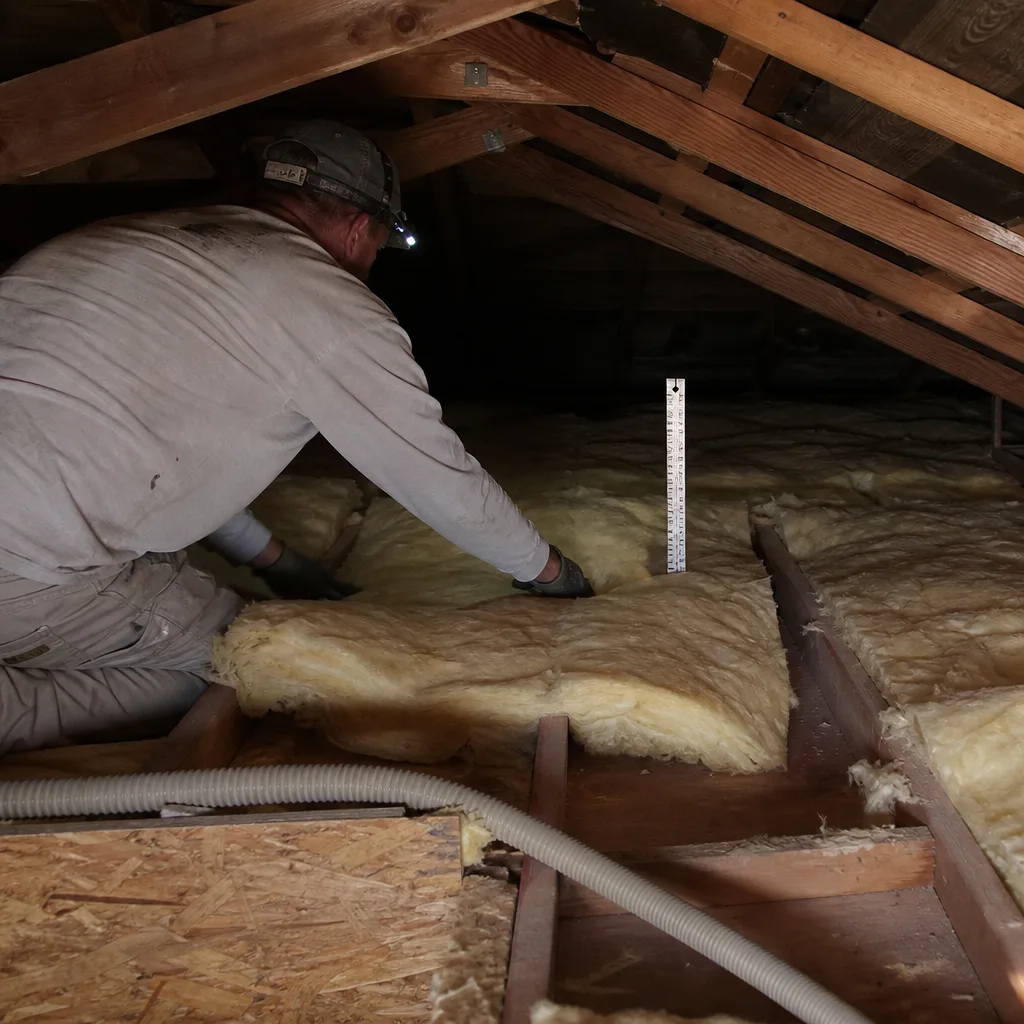
We’ve logged jobs in Morgan Hill neighborhoods from the houses near Oakwood Avenue up to the newer builds off East Main, and we’ve extracted Rockwool products from every line in their catalog. Our technicians are background-checked, uniformed, and trained on Rockwool’s specific density and fiber structure so they know when extraction is cleaner than trying to foam around it.
We also service Reflectix and other brands, so if your project involves a hybrid assembly or you’re comparing products, we have no proprietary lock-in. Every job gets the Haven Standard: written price first, documented record last, and a live person answers the phone 24/7 at (669) 280-8103.
FAQs
Rockwool’s product warranty covers manufacturing defects in the original batt or board, not field modifications or adjacent materials. As an independent Rockwool service provider, we document what we remove and what we install so you have a clear record if any factory defect emerges later. Call (669) 280-8103 if you want us to review your original installation documentation before we quote.
No spray foam matches Rockwool’s ASTM E136 noncombustible rating. For garage ceilings and habitable space separations where code requires fire resistance, we specify closed-cell foam with an intumescent coating or maintain the Rockwool in the assembly and foam around it. We mark the fire-rated assembly on your written scope so the inspector sees compliance.
Extraction adds $400 to $900 in labor and disposal, but foaming around compressed or moisture-affected Rockwool usually costs more long-term in callbacks and performance loss. We recommend extraction when the batt is compressed below 90% of labeled thickness, stained, or installed over an unsealed attic floor. We’ll show you both approaches in the written scope and price them separately.
Most Rockwool-to-spray-foam jobs in Morgan Hill start within three to five business days of approval. Same-week starts are possible if the scope is straightforward and the material is in stock. We don’t ask for a deposit until the start date is confirmed.
Rockwool doesn’t manufacture spray foam, so there’s no OEM foam to specify. For ancillary products like vapor retarders, fasteners, and drainage mats, we use manufacturer-approved equivalents that meet or exceed Rockwool’s published compatibility data. We list every material by brand on your written scope before work starts.
Written by Wes Okafor, Owner & Lead Insulation Technician, Topside Attic Insulation Morgan Hill at Topside Attic Insulation Morgan Hill, serving Morgan Hill and nearby areas.