
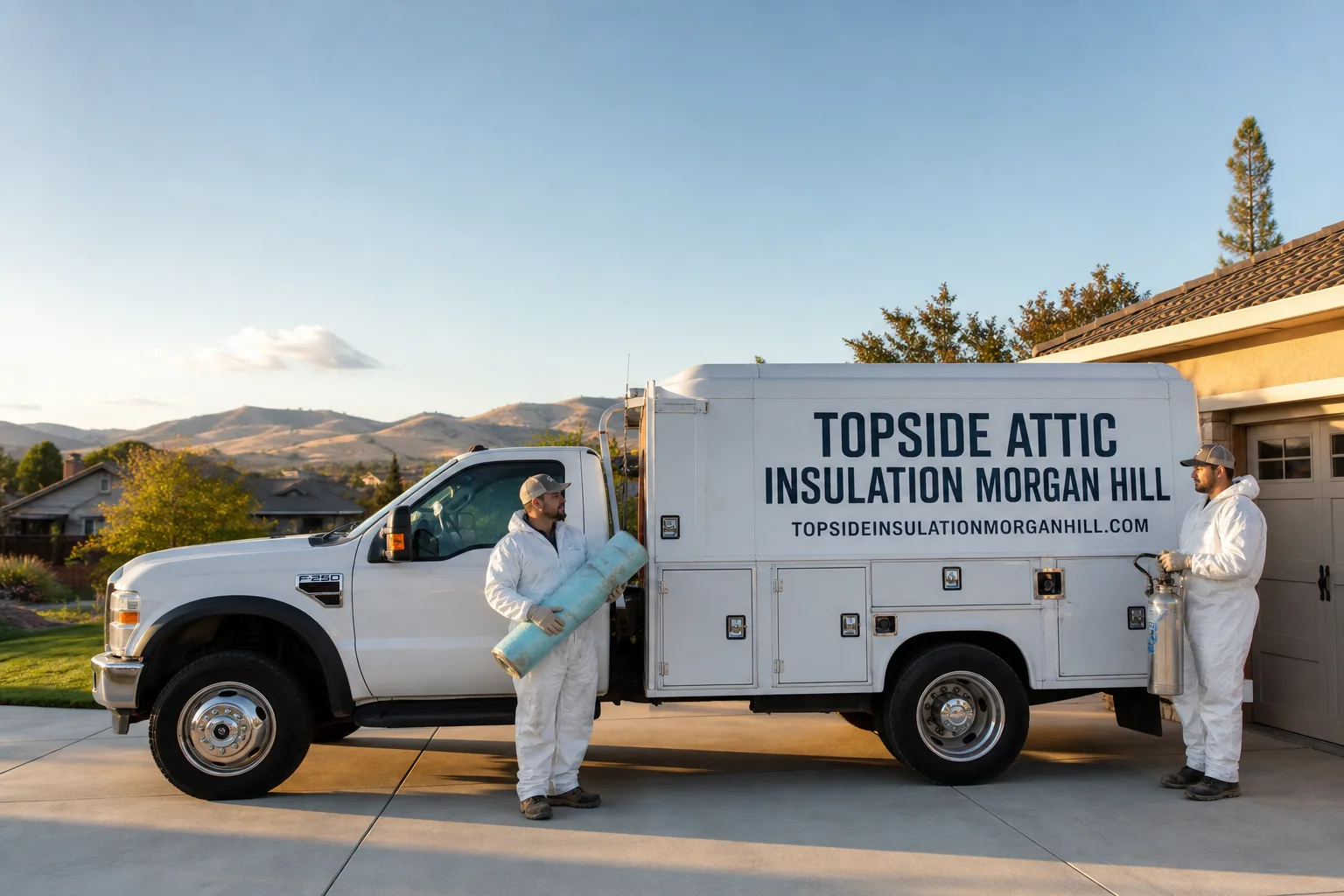
Fast, Reliable Blown-In Insulation Across Boulder Creek
Blown-in insulation in Boulder Creek typically costs $2.80-$4.50 per square foot installed for attic work, with dense-pack wall insulation running $3.50-$5.50 per square foot in the irregular bays common to local redwood cabins. Most attic jobs are completed in a single day, and crews dispatched from our Los Angeles office serve Boulder Creek with same-day or next-day scheduling. Call (669) 280-8103 for a written price before any work starts.
We know Boulder Creek’s building stock. The converted summer cabins along Bear Creek Road and the post-CZU rebuilds off Highway 9 present insulation problems that don’t exist in standard suburban construction. Our Blown-In Insulation team has worked in the redwood-canyon humidity of the San Lorenzo Valley since 2016, and we publish before-and-after blower-door numbers on every job so you can verify the performance change.
Why Topside Attic Insulation Morgan Hill Is Boulder Creek’s Preferred Blown-In Insulation Company
Our reputation in Boulder Creek was built on jobs where standard approaches failed. The 1940s cabin shells with no stud cavities, the fog-drenched crawl spaces that destroy unfaced batts in a single season, the insurance-mandated fire-resilience assemblies after the CZU fire - these aren’t hypothetical scenarios here. They’re the conditions we encounter on Bear Creek Road, along Central Avenue, and in the rebuilds above the San Lorenzo Valley floor.
Response time to Boulder Creek is same-day or next-day from dispatch. We don’t ask you to wait through callback windows. A live person answers (669) 280-8103 24/7, and you’ll get a text when your technician is on the way - Haven Standard: Arrive on schedule, named technician, documented record.
Our Boulder Creek customers receive a written price before any work starts, a Documented Photo Record on every visit, and before-and-after blower-door readings on applicable jobs. No exceptions. We’ve sealed and insulated 9,000+ homes since 2016, every one with the same documentation.
Our Blown-In Insulation Services in Boulder Creek
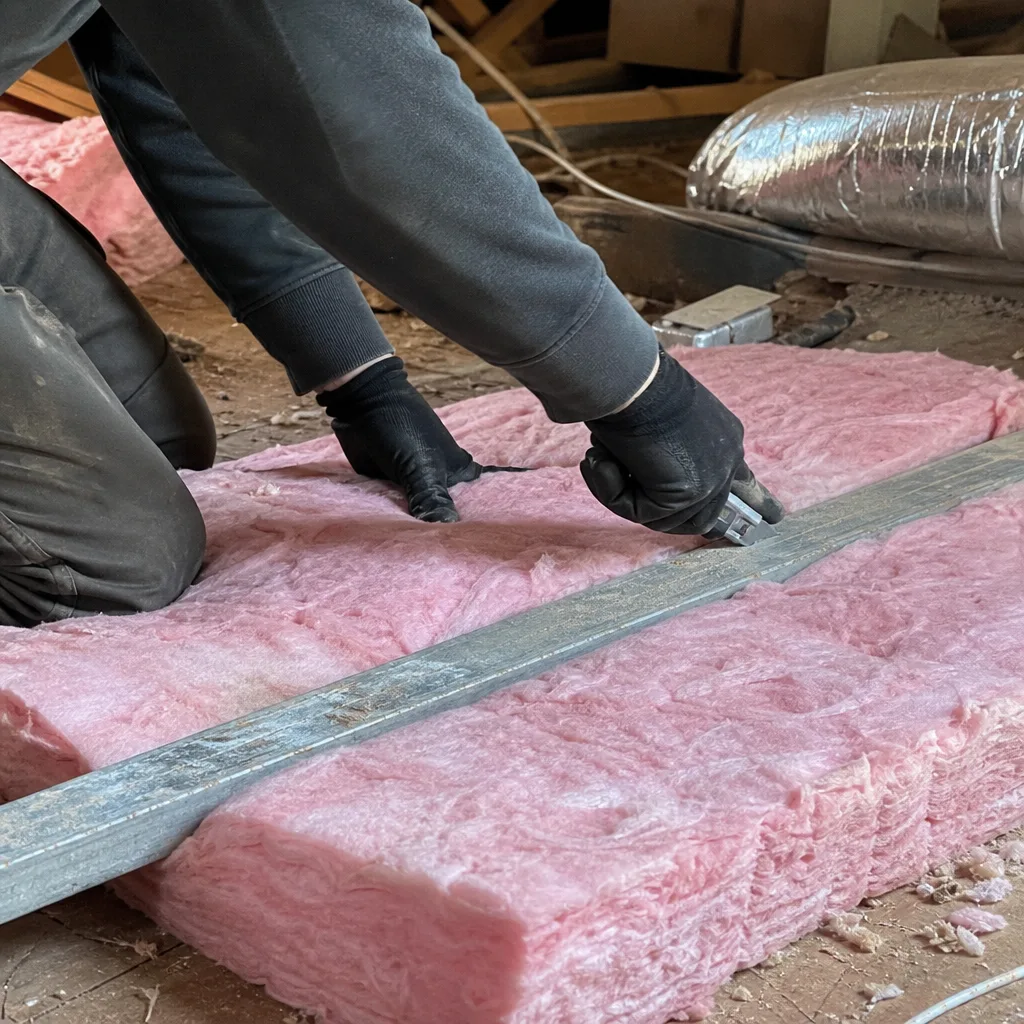
Blown-In Cellulose
Blown-in cellulose in Boulder Creek runs $2.80-$3.80 per square foot for attic installation. We use GreenFiber cellulose for dense-pack applications in the irregular wall bays of converted redwood cabins - the kind of construction where standard batts simply can’t be installed because there’s no standard cavity. Cellulose packs tightly around wiring, plumbing, and the uneven framing common to board-and-batten construction off Highway 9. It’s treated with borate for fire resistance, which matters in a town where IRC Chapter 7A compliance is now a regular conversation with insurers.
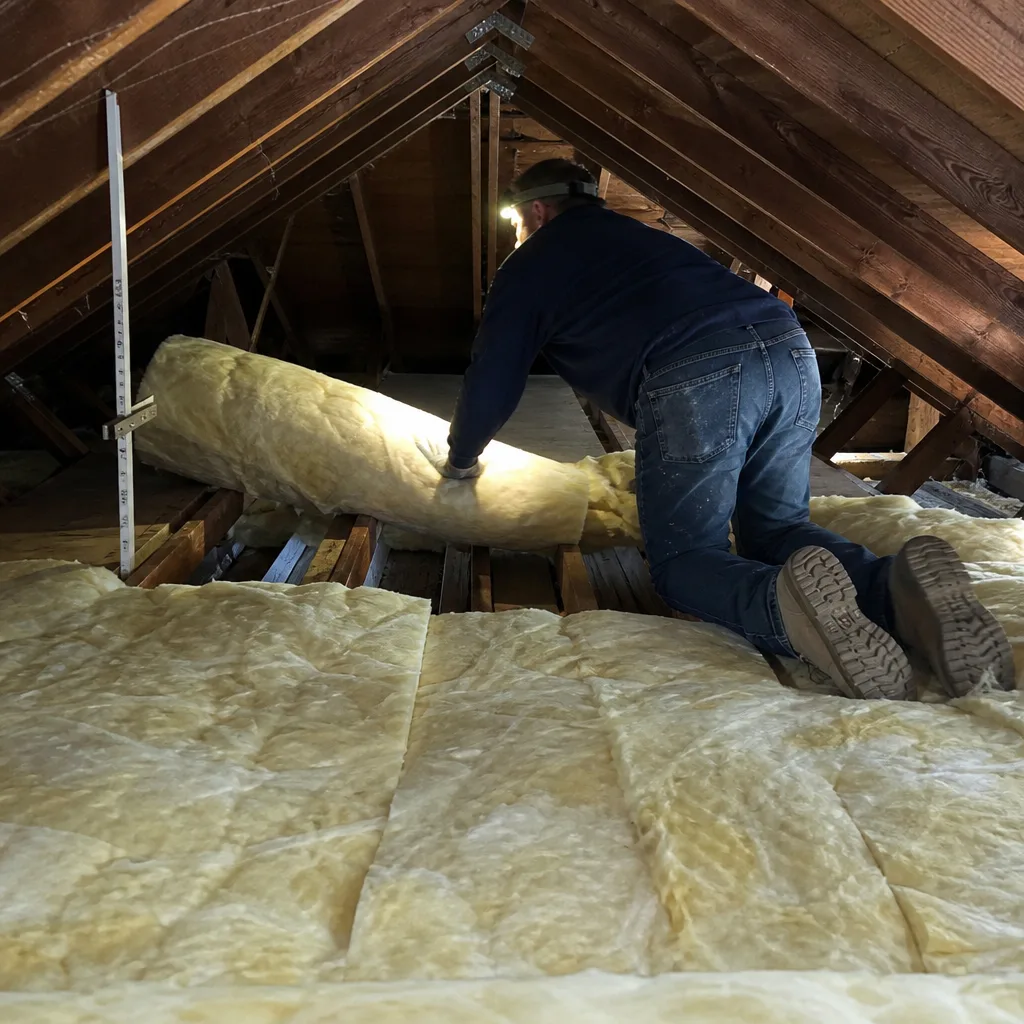
Blown-In Fiberglass
Blown-in fiberglass in Boulder Creek attics costs $3.00-$4.20 per square foot installed. We stock Owens Corning and Johns Manville products, but we won’t blow fiberglass over an unsealed attic floor - that’s not upsell, it’s prerequisite. In Boulder Creek’s heavy rainfall environment, air sealing top plates, can lights, and penetrations before insulation goes in prevents the moisture migration that collapses batts and breeds mold. The blower-door test proves it: we measure CFM50 before and after, and you get both numbers in writing.
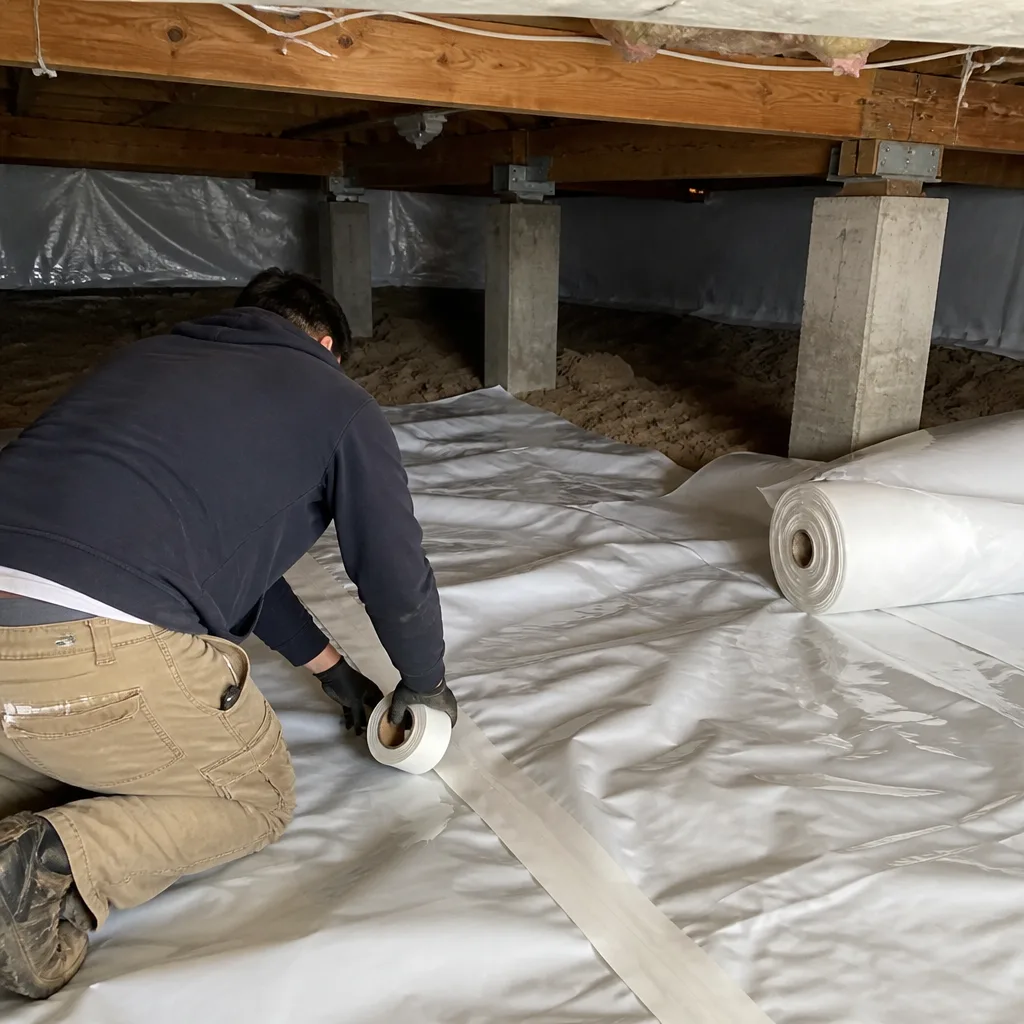
Dense-Pack Wall Insulation
Dense-pack wall insulation in Boulder Creek is $3.50-$5.50 per square foot, and it’s often the only viable solution for the town’s converted summer cabins. These structures - board-and-batten redwood, tongue-and-groove, balloon-framed - have no stud cavity in the conventional sense. We dense-pack the irregular bays with cellulose or mineral wool at 3.5 pounds per cubic foot, achieving a continuous thermal barrier where batts are impossible. Post-CZU rebuilds sometimes combine this with closed-cell foam at rim joists for the ignition-resistant assembly that insurance carriers now require.
Blown-In Top-Up
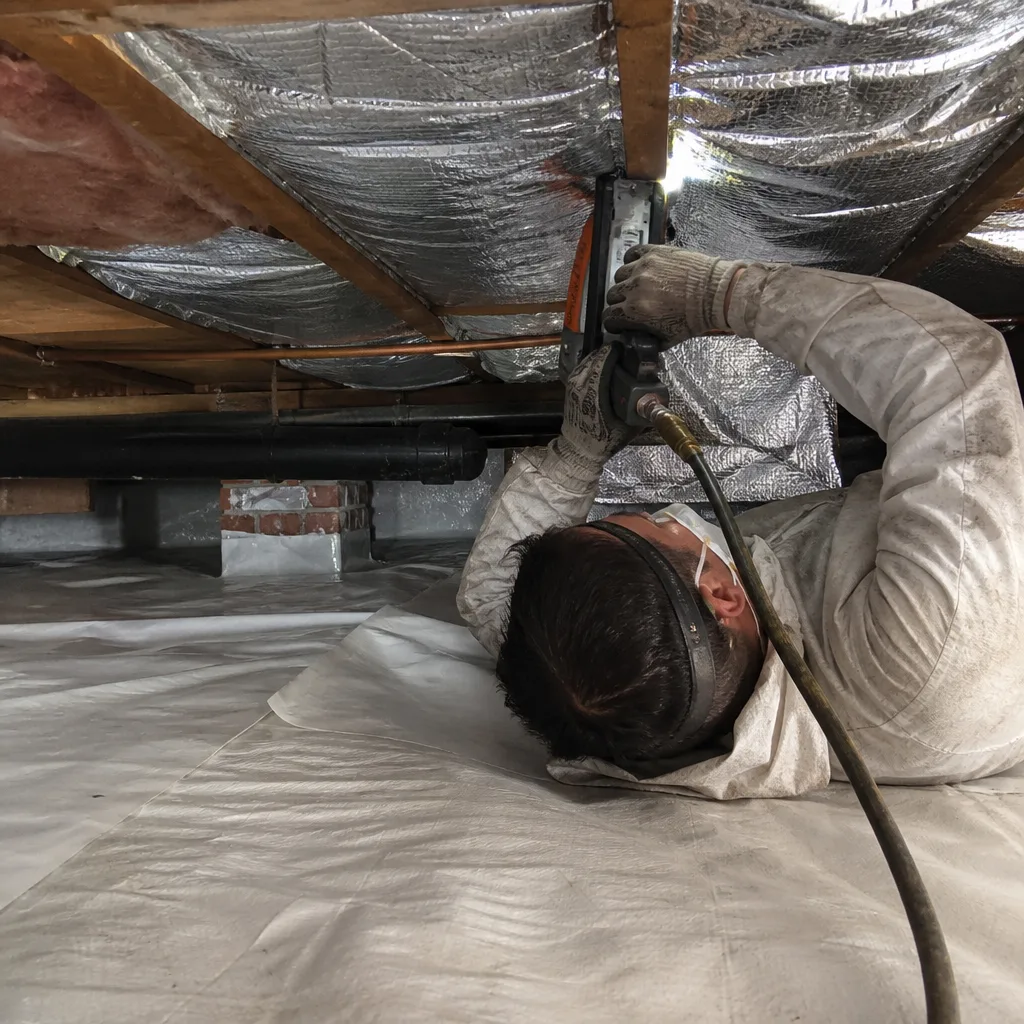
Blown-in top-up in Boulder Creek costs $1.80-$2.80 per square foot and addresses the most common problem we see: existing attic insulation degraded by San Lorenzo Valley moisture. Fog drip from the redwood canopy, combined with heavy winter rainfall, compresses and displaces older fiberglass. We remove the damaged material, seal the attic floor, then blow new insulation to the depth required for Title 24 compliance - typically R-38 to R-49 in this climate zone. The before-and-after blower-door test shows you exactly what changed.
What happens when you call
- 1
A real person answersNo phone trees - you reach a local pro.
- 2
You get an upfront price rangeHonest numbers before anyone is dispatched.
- 3
A background-checked tech heads outLicensed & insured, dispatched right away.
- 4
You approve before work beginsNothing starts until you say go.
Trusted Brands We Service in Boulder Creek
We source materials from Owens Corning, Johns Manville, Knauf, Rockwool, and GreenFiber - no proprietary lock-in, no brand exclusivity claims. For Boulder Creek’s fire-resilience requirements, we regularly specify Rockwool mineral wool (non-combustible, melts at 2,150°F) and coordinate closed-cell foam from Demilec or Icynene for ignition-resistant assemblies. Stock is held regionally, so turnaround on standard blown-in jobs is 24-48 hours. Specialty mineral wool orders for post-CZU rebuilds typically arrive within three business days.
Common Blown-In Insulation Problems We See in Boulder Creek Homes
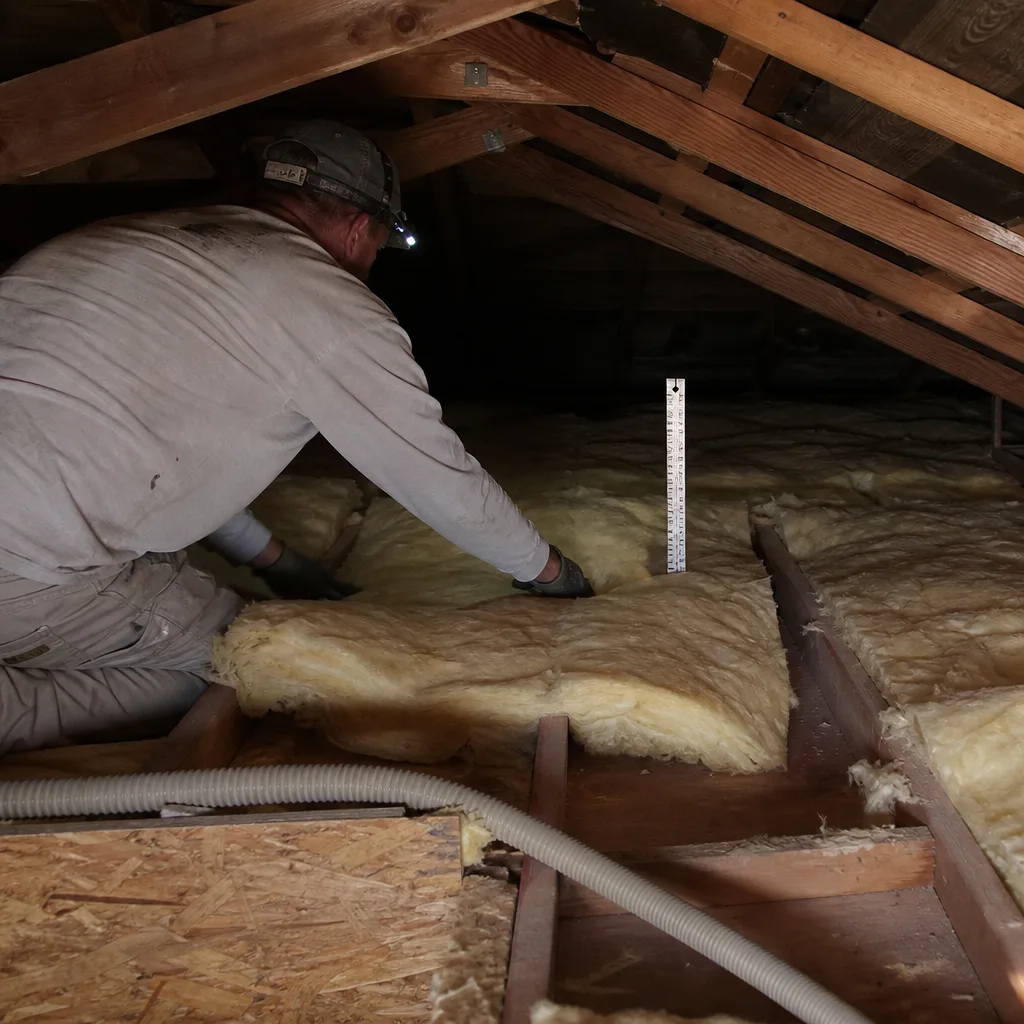
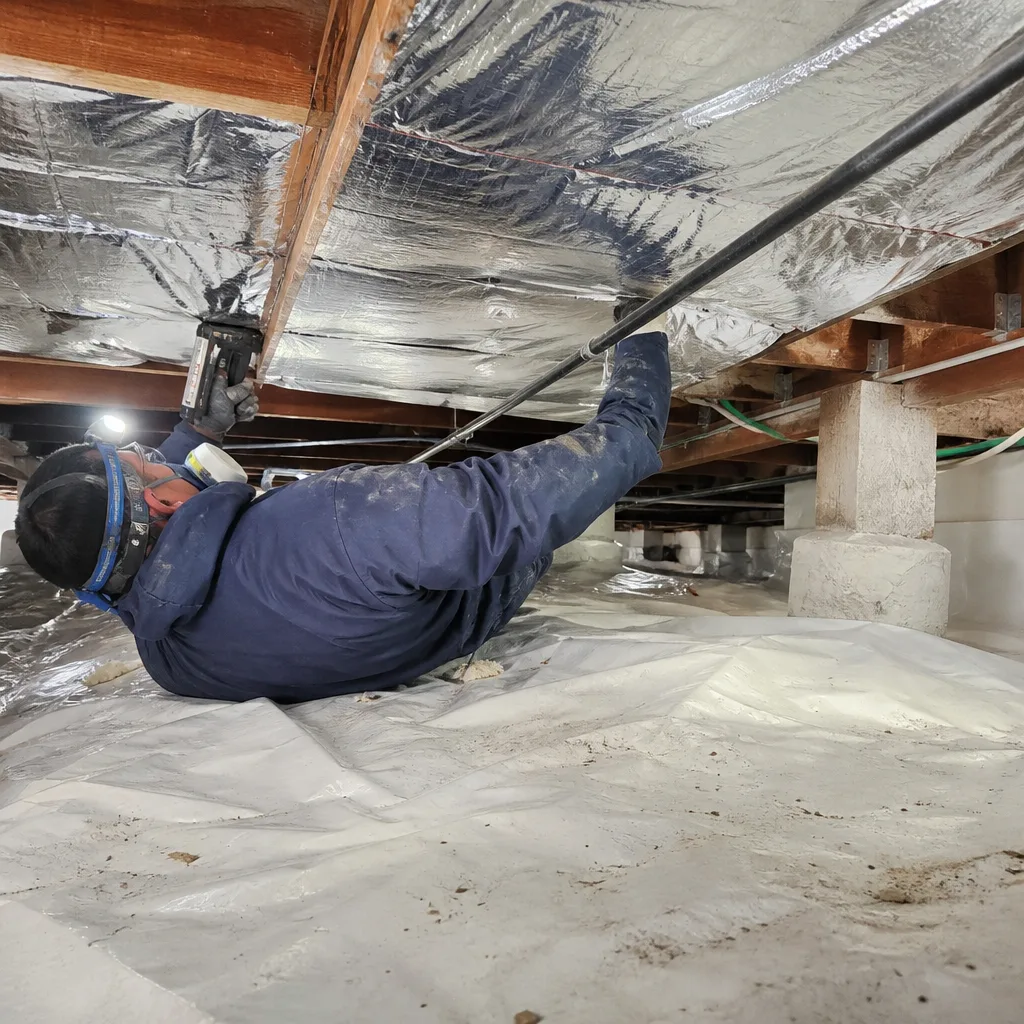
- Unfaced fiberglass batts destroyed by fog drip. The redwood canopy above Boulder Creek generates constant moisture. Unfaced batts in crawl spaces and attics wick this humidity, collapse within a season, and lose effective R-value. We see this on Central Avenue cabins and along Bear Creek Road alike - the material turns gray and compressed, and the homeowner’s heating bill climbs.
- Post-CZU rebuilds with non-compliant standard batts. Rebuilders who specified fiberglass batts to save cost are failing Title 24 and IRC Chapter 7A compliance, triggering insurance carrier pushback and mandatory re-inspection. The correction is removal and replacement with mineral wool or closed-cell foam in an ignition-resistant assembly.
- Zero wall insulation in converted summer cabins. Many Boulder Creek homes started as seasonal redwood structures with no intention of year-round occupancy. The board-and-batten walls have no cavity for standard insulation, and the owners freeze through winter without knowing dense-pack is an option.
- Attic conversions with unsealed bypasses. Cabins converted to year-round use often have attic spaces that were never designed as conditioned envelopes. Chimney chases, dropped soffits, and top plates leak conditioned air into the redwood-shaded attic, where it meets humid exterior air and condenses.
Pricing for Blown-In Insulation in Boulder Creek, CA
A typical blown-in attic insulation job in a 1,200-square-foot Boulder Creek cabin runs $3,400-$5,400, including air sealing of top plates and penetrations. Dense-pack wall insulation for the same footprint, where irregular bays require custom packing, runs $4,200-$6,600. Post-CZU rebuilds with fire-resilience requirements - mineral wool in walls, closed-cell foam at rim joists, blown-in attic cap - typically fall in the $7,500-$12,000 range depending on assembly complexity.
What moves the price: cavity accessibility (open attic vs. finished cathedral ceiling), material specification (standard cellulose vs. Rockwool mineral wool for fire compliance), and the extent of air sealing required before insulation can be installed. We don’t blow insulation over an unsealed envelope. The written price you receive before any work starts includes all three phases: sealing, insulation, and documentation. Free estimates. Free Second Opinion on any written estimate from another contractor. Call (669) 280-8103.
We Also Serve Cities Near Boulder Creek
Our crews work throughout the San Lorenzo Valley and Santa Cruz Mountains, including Boulder Creek, Ben Lomond, Scotts Valley, Los Gatos, and Saratoga. Each community has distinct building stock and climate conditions, and we adjust material specification and installation method accordingly - what works in a Los Gatos ranch house differs from what’s required in a Scotts Valley hillside rebuild or a Ben Lomond redwood cabin.
Serving Boulder Creek, CA - Our Local Coverage Area
We’re based in the Boulder Creek area and know this community well. Use the map below to see our service coverage - if you’re nearby, we can almost certainly help.
FAQs - Blown-In Insulation in Boulder Creek
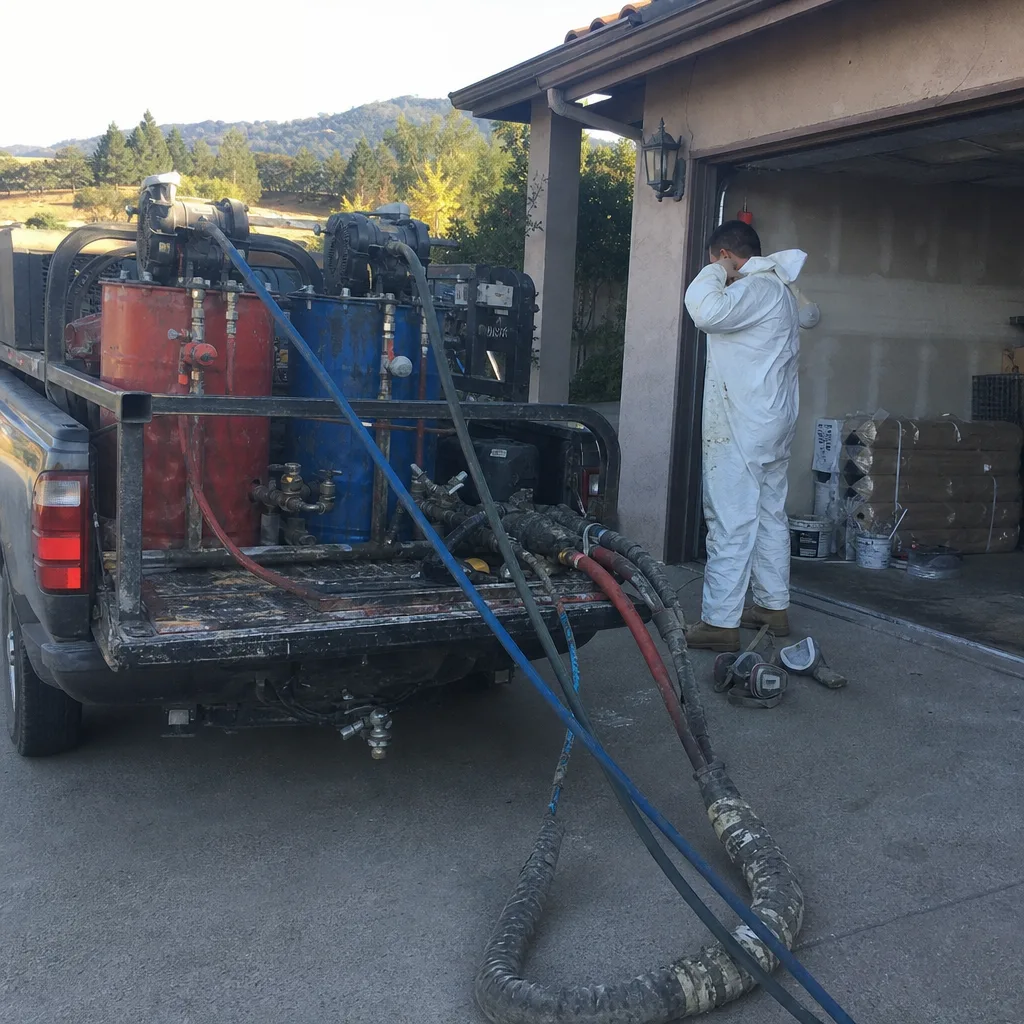
Yes. Dense-pack cellulose or mineral wool is installed at 3.5 pounds per cubic foot into irregular bays, achieving a continuous thermal barrier where batts are impossible. We did exactly this on a rebuilt home off Bear Creek Road where the original 1940s redwood shell had no stud cavity - our crew dense-packed the irregular bays with GreenFiber cellulose and topped the vaulted ceiling with Rockwool blown-in, sealing rim joists with closed-cell Demilec foam to meet Title 24 and ignition-resistant assembly requirements. Call (669) 280-8103 for a written price on your specific structure.
Yes, when specified correctly. Mineral wool blown-in insulation is non-combustible and contributes to IRC Chapter 7A ignition-resistant assemblies that insurance carriers now require for Boulder Creek rebuilds. Standard fiberglass batts do not meet these requirements and are being rejected in post-CZU re-inspections. We specify Rockwool or equivalent mineral wool for fire-resilience jobs, combined with closed-cell foam at critical junctions, and document the assembly for your insurer.
Not if the envelope is sealed first and the right material is specified. Unfaced fiberglass batts in unsealed crawl spaces and attics will fail - we’ve replaced them by the dozen in Boulder Creek. Blown-in cellulose with proper air sealing, or mineral wool in moisture-exposed applications, performs reliably in this climate. The key is the blower-door test: we measure air leakage before and after sealing, and you get both numbers to confirm the envelope is tight before insulation goes in.
Air sealing first, then blown-in cellulose or fiberglass to R-38 minimum, with baffles at eaves to maintain ventilation under the redwood-shaded roof deck. Summer cabins weren’t built as conditioned envelopes, so chimney chases, dropped soffits, and top plates leak conditioned air into the attic where it condenses against humid exterior surfaces. We seal these bypasses, test with the blower door, then blow insulation. For attics with evidence of past moisture damage, we specify mineral wool for its hydrophobic properties.
Yes. We source from all three manufacturers and select based on the application - Owens Corning fiberglass for standard attic top-ups, Rockwool mineral wool for fire-resilience assemblies and moisture-exposed locations, GreenFiber cellulose for dense-pack in irregular cavities. No proprietary lock-in. The material specification is written into your scope before work starts, and you receive a Documented Photo Record showing what was installed where. Call (669) 280-8103 to review options for your specific job.
Written by Wes Okafor, Owner at Envelope Insulation Co., serving Boulder Creek since 2016 under The Haven Standard.