
Fast, Reliable Blown-In Insulation Across Scotts Valley
Blown-in insulation in Scotts Valley typically costs $1.80-$3.20 per square foot for attic work and $2.50-$4.50 per square foot for dense-pack wall applications, with most jobs completed in a single day. Our crews serve Scotts Valley from our San Francisco Bay Area dispatch office, and we carry Owens Corning, GreenFiber, and Johns Manville materials so we’re not waiting on deliveries. If your home was built as a 1960s vacation cabin off Mount Hermon Road or Bean Creek Road, there’s a real chance your finished walls contain zero insulation - and we can verify that with a borescope before anyone cuts drywall. Call (669) 280-8103 for a written price before any work starts.
Why Topside Attic Insulation Morgan Hill Is Scotts Valley’s Preferred Blown-In Insulation Company
We’ve sealed and insulated more than 9,000 homes since 2016, and a growing share of them sit on the forested hillside lots of Scotts Valley. Our reviews from Scotts Valley customers consistently mention two things: the blower-door numbers we leave behind, and the fact that we refused to blow insulation until the air sealing was done first. That’s Haven Standard - sealed first, then insulated, always.
Response time to Scotts Valley is typically same-day or next-day for assessments. Our technicians are background-checked, uniformed, and named before they arrive - you’ll get a text when they’re on the way. Dispatch and scheduling are coordinated from our San Francisco Bay Area office, but crews serve Scotts Valley locally and understand the specific challenges of hillside-pad construction, split-level rim joists, and the moisture management that redwood-canopy homes demand.
Under Haven Standard: Arrive on schedule, you get a named technician and a text when they are on the way. Every job closes with a Documented Photo Record, and on applicable jobs, before-and-after blower-door readings so you can verify the air-sealing result in one number.
Our Blown-In Insulation Services in Scotts Valley
Blown-In Cellulose
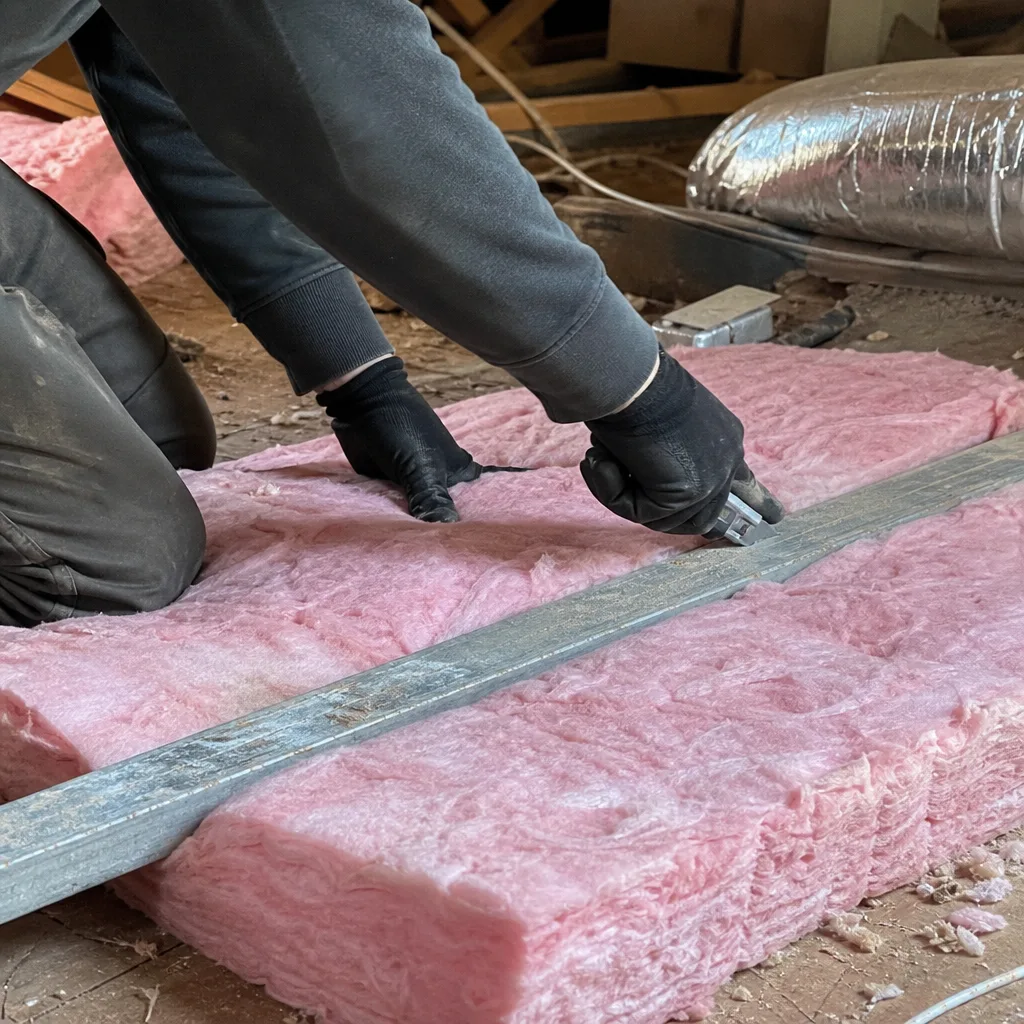
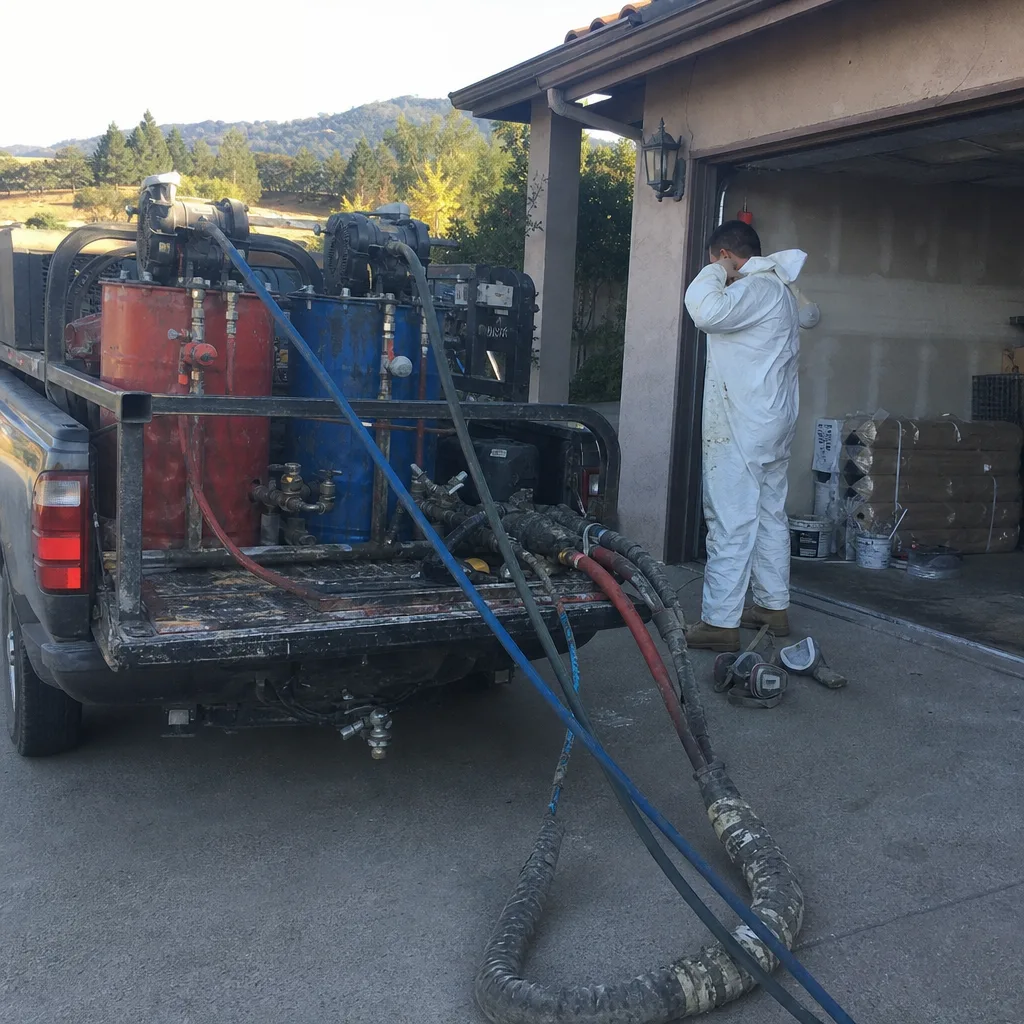
We dense-pack GreenFiber cellulose into open stud bays and blow it loose-fill across attic floors in Scotts Valley homes. Cellulose handles the valley’s humidity better than fiberglass when properly specified - it contains a borate fire retardant that also discourages mold. For the older cabin conversions off Bean Creek Road, cellulose is often our first recommendation because it conforms to irregular framing and fills the gaps left by 1960s carpentry that was never intended for year-round heating loads.
Blown-In Fiberglass
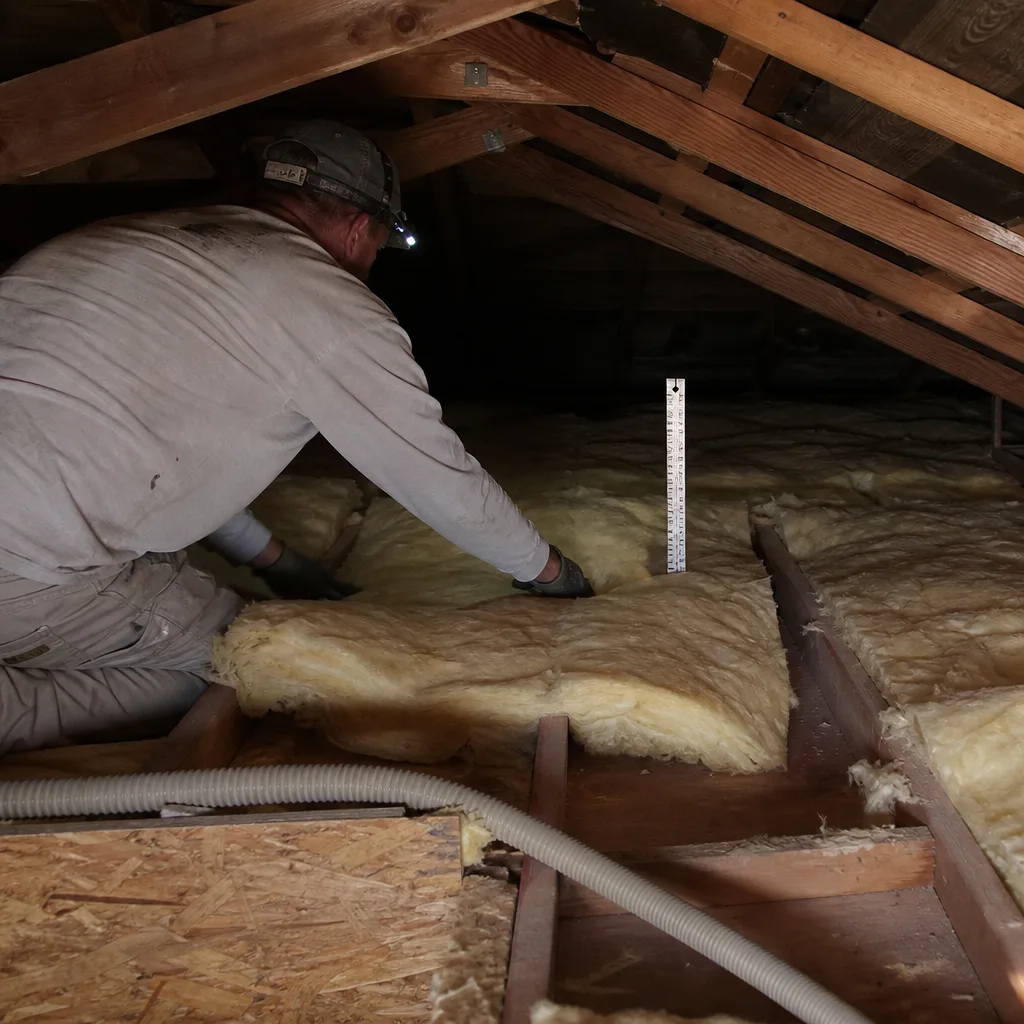
Owens Corning fiberglass works well for attic top-ups in Scotts Valley’s 1980s and 1990s tract homes, where the original insulation has compressed but the air sealing was at least attempted during construction. We blow it to the depth specified by the thermal image and blower-door test, not to a generic R-value chart. In homes with cathedral ceilings or truss attics - common in the custom builds above Glenwood Drive - fiberglass doesn’t absorb moisture the way cellulose can if vapor control fails.
Dense-Pack Wall Insulation
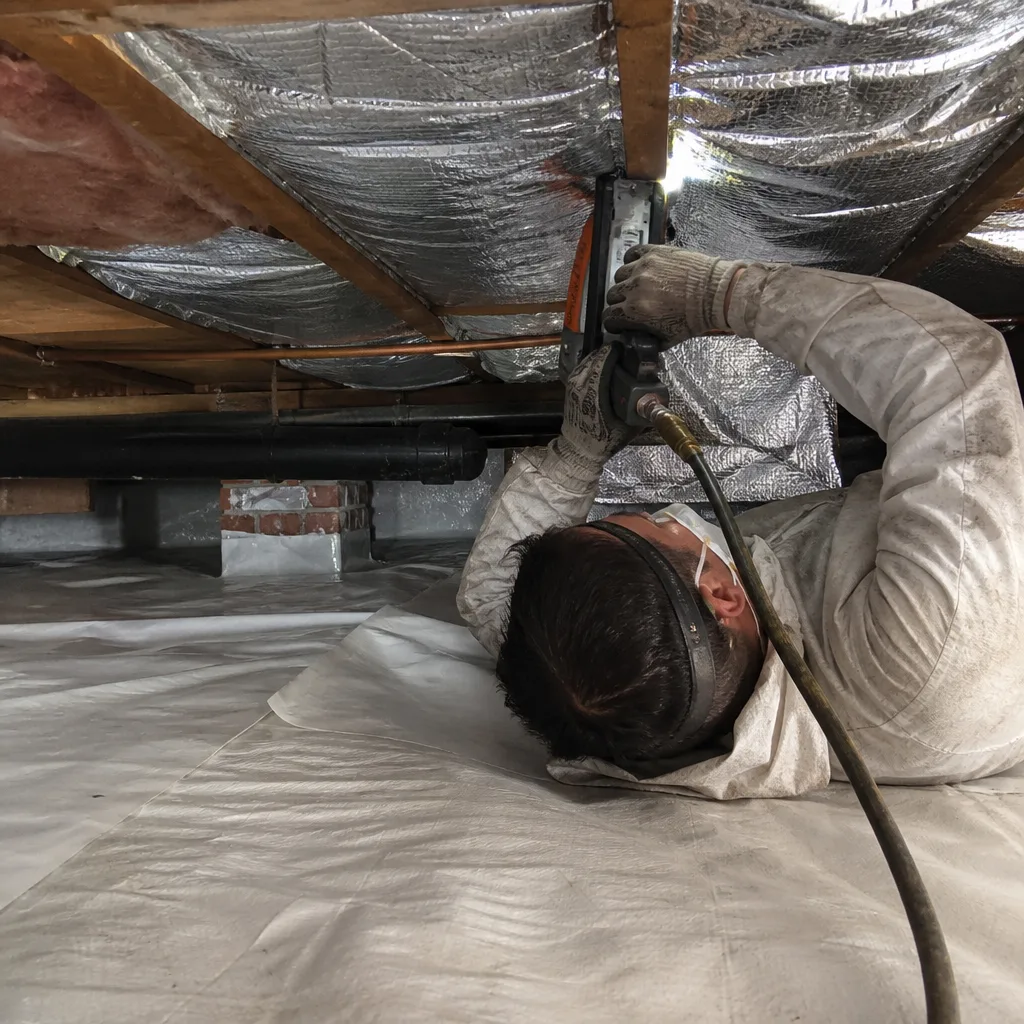
This is where our Scotts Valley work gets specific. We recently serviced a 1966 split-level cabin conversion off Mount Hermon Road where the homeowner wanted to quiet a guest suite above the garage. After verifying the depth with a borescope, we dense-packed the open 2×4 stud bays with GreenFiber cellulose behind the existing drywall, then blew Owens Corning fiberglass over the truss chords in the attic. The client immediately noticed the street noise dropping and the upstairs room holding heat through the night instead of losing it to the valley floor.
Dense-pack requires 2.0-3.5 lbs per cubic foot density to prevent settling in vertical walls. In Scotts Valley’s hillside homes, we also check for fire blocking and top plates - many cabin conversions lack proper top plates, and without blocking installed first, dense-pack cellulose will spill into the eave soffits.
Blown-In Top-Up
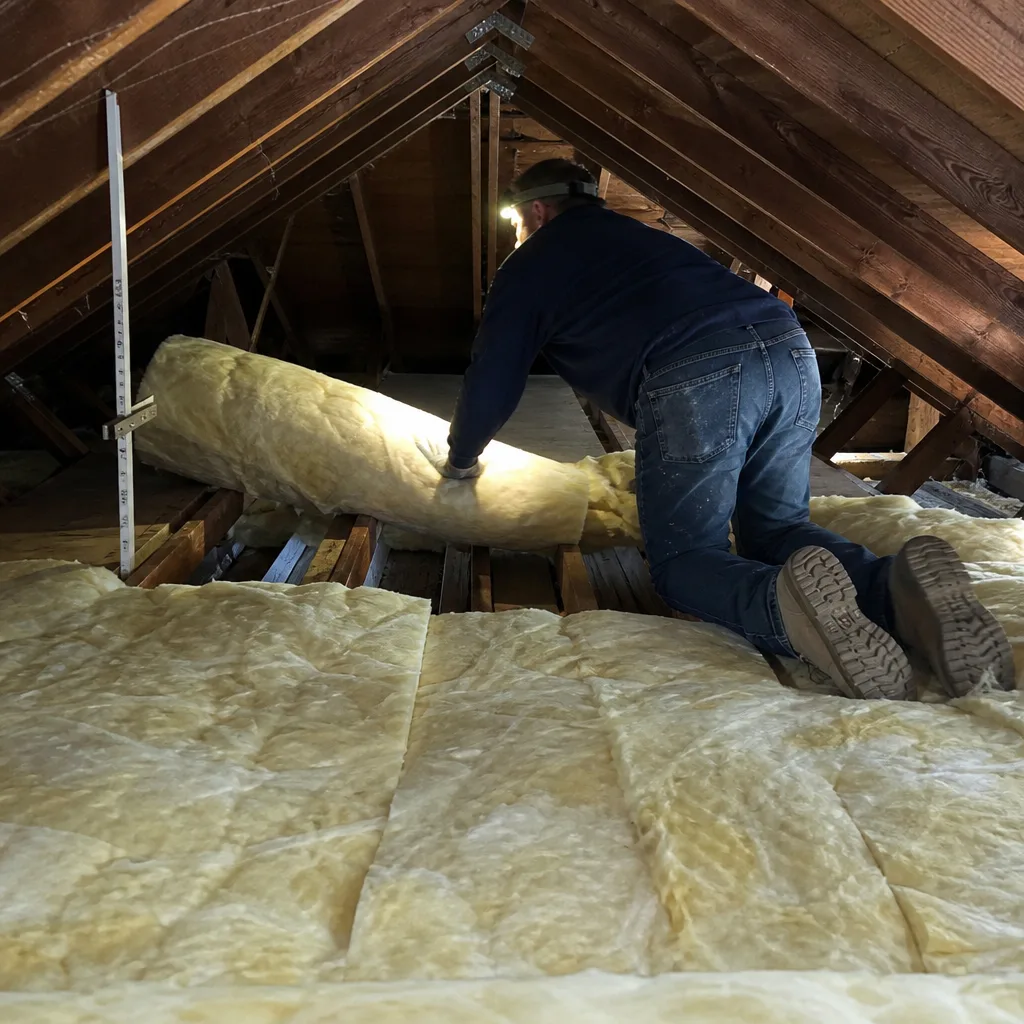
Scotts Valley homes built in the 1970s and 1980s often have 6-8 inches of original fiberglass that’s compressed to R-19 or less. A blown-in top-up brings the attic to current Title 24 standards without disturbing the finished space below. We always test with a blower door first - adding insulation over a leaky attic floor is like putting a thicker sweater on someone with holes in their shirt. Our Blown-In Insulation team will show you the CFM50 reading before and after, in writing.
What happens when you call
- 1
A real person answersNo phone trees - you reach a local pro.
- 2
You get an upfront price rangeHonest numbers before anyone is dispatched.
- 3
A background-checked tech heads outLicensed & insured, dispatched right away.
- 4
You approve before work beginsNothing starts until you say go.
Trusted Brands We Service in Scotts Valley
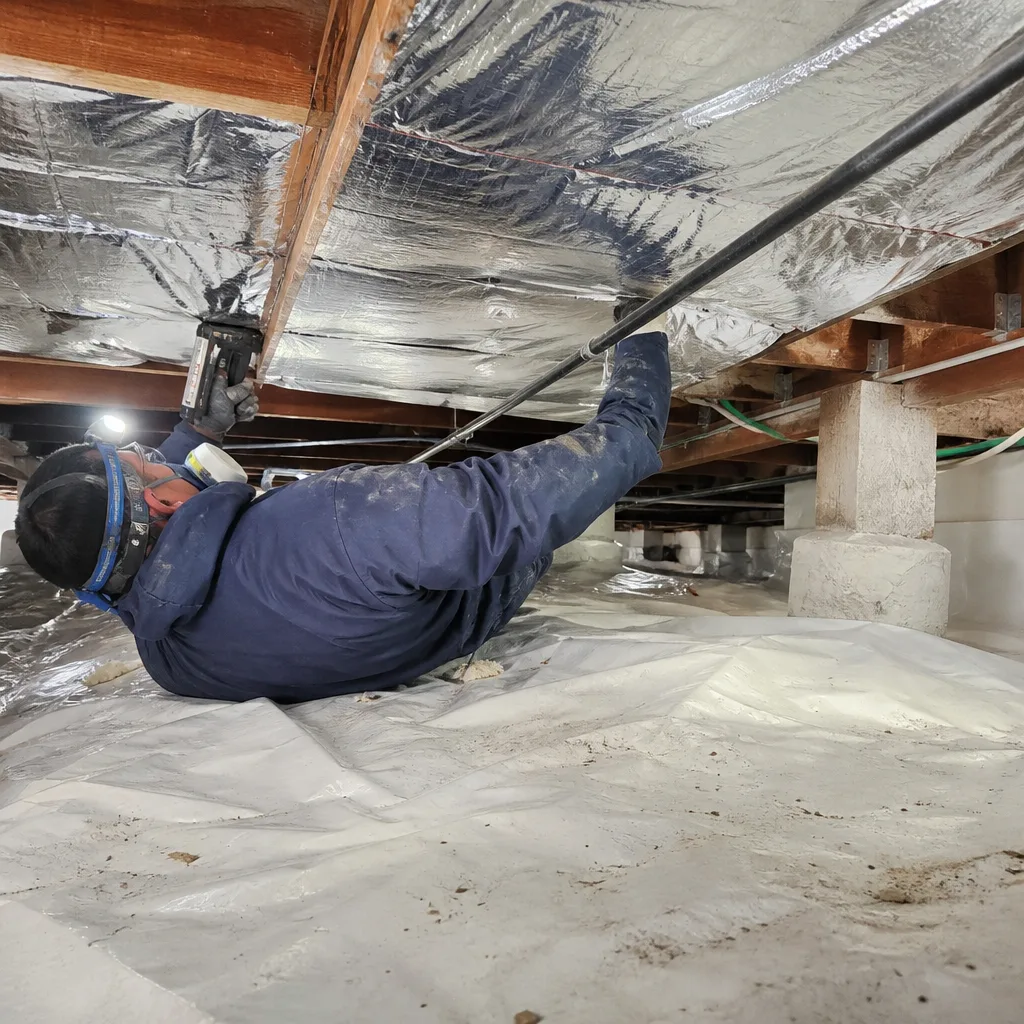
We stock Owens Corning, GreenFiber, and Johns Manville materials - no proprietary lock-in, no special-order delays. For Scotts Valley customers, that means we can match existing insulation type for repairs or top-ups without waiting on freight. We also specify Knauf products when moisture resistance is the priority, particularly in crawl space applications where redwood humidity has degraded the original batts. Every material choice is documented in your written scope before work begins.
Common Blown-In Insulation Problems We See in Scotts Valley Homes
- Summer-cabin walls with missing top plates. The original 1960s vacation structures were framed without the fire blocking and top plates that modern code requires. When a crew dense-packs cellulose into these walls without first setting blocking above each bay, the material spills into the eave soffits and the wall cavity never fills properly. We verify framing with a borescope before we blow.
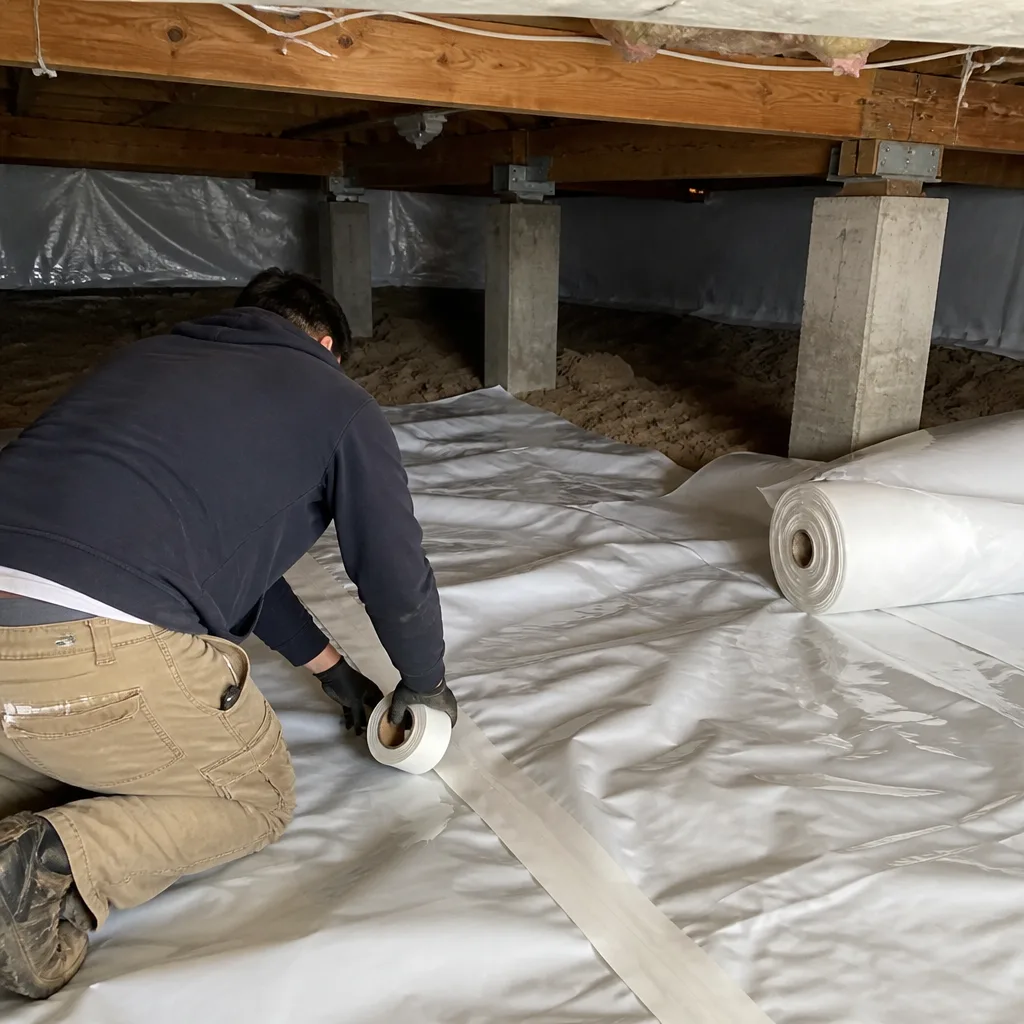
- High humidity degrading crawl space insulation. The surrounding redwood and mixed-conifer canopy keeps relative humidity high year-round. Original unencapsulated crawl spaces with fiberglass batts end up holding moisture, rusting ducts, and supporting mold. We specify closed-cell spray foam or properly detailed vapor barriers - never fiberglass batts in these conditions.
- Cold-air pooling driving heat loss through kneewalls. The valley-bottom geography produces regular frost and temperatures 8-12°F colder than Santa Cruz. In split-level homes on Scotts Valley hillside lots, heated air escapes through open stud bays and under-insulated kneewalls, short-cycling the furnace before the thermostat calls for more heat. Dense-pack wall work and proper kneewall air sealing fixes this.
- Drywalled walls with zero insulation. Contractors working the older forested streets off Mount Hermon Road and Bean Creek Road routinely pull permits on remodels and find walls that look finished from the interior but contain nothing - because the original cabin was permitted as summer-only, and the drywall was added later without any energy-upgrade requirement.
Pricing for Blown-In Insulation in Scotts Valley, CA
A typical blown-in attic top-up in a Scotts Valley home of 1,200-2,000 square feet runs $1,800-$3,400. Dense-pack wall insulation for a single-story addition or gutted room runs $2,500-$4,800. Full attic replacement with air sealing and new blown-in insulation runs $4,200-$7,800, depending on accessibility and whether we need to remove degraded material first.
What moves the number: attic accessibility (cathedral ceilings and truss attics take longer), existing insulation condition (removal adds labor and disposal), and the extent of air sealing required before we blow. We never quote without a site visit - but we also never start work without a written price. Haven Standard Clause 1: flat price, written scope, written warranty before anyone lifts a tool.
Free Second Opinion on Any Written Estimate - bring us a competing quote and we’ll read it with you. Call (669) 280-8103 to schedule.
We Also Serve Cities Near Scotts Valley
Our crews work throughout the Santa Cruz Mountains and South Bay, including Blown-In Insulation in Scotts Valley and surrounding communities. We regularly serve Ben Lomond, Boulder Creek, Los Gatos, and Saratoga - the same written-price standard, the same blower-door documentation, the same Haven Standard on every job.
Serving Scotts Valley, CA - Our Local Coverage Area
We’re based in the Scotts Valley area and know this community well. Use the map below to see our service coverage - if you’re nearby, we can almost certainly help.
FAQs - Blown-In Insulation in Scotts Valley
Yes, Scotts Valley requires a building permit for blown-in insulation in existing exterior walls when the work involves more than 10 percent of the wall area or when the home is being remodeled. The permit ensures the work meets current energy code and fire-blocking requirements, which is particularly important in the older cabin conversions where original framing may lack modern blocking. We pull permits as part of our standard process and include the cost in your written price. Call (669) 280-8103 to confirm whether your specific project triggers the requirement.
These homes were originally permitted as summer-only vacation cabins in the 1950s through 1970s, before Scotts Valley became a permanent Silicon Valley bedroom community, and the building code at the time did not require wall insulation for seasonal structures. When owners later converted them to year-round use and added drywall, there was no energy-upgrade requirement triggering insulation installation. We verify this with a borescope inspection before recommending dense-pack work, so you know what’s actually in your walls.
Dense-pack cellulose in the walls and blown-in fiberglass or cellulose in the attic, with mandatory air sealing of rim joists and kneewalls first. Split-level hillside homes in Scotts Valley have complex thermal boundaries - the lower level is often half-buried, the middle level has exposed kneewalls, and the upper level has cathedral ceilings - and each boundary leaks differently. We run a blower-door test to locate the dominant leaks, seal them, then specify insulation by zone. The 365-Day Done Right Promise applies to all completed work.
Yes, but only if air sealing is completed first - insulation slows heat loss, but it doesn’t stop air movement. The cold-air drainage that pools on the Scotts Valley valley floor on clear winter nights drives genuine heating-season energy loss, not just theoretical discomfort. We’ve measured blower-door reductions of 40-60 percent after proper sealing and blown-in insulation in these homes, with corresponding drops in furnace run time. The homeowner on Mount Hermon Road we mentioned earlier stopped needing space heaters in the guest suite entirely.
We install rigid blocking at the top of each stud bay before we dense-pack, and we verify the blocking with a borescope. Many of these older homes lack proper top plates - the horizontal framing member that should cap each wall cavity - because they were built as uninsulated summer cabins. Without blocking, the cellulose follows the path of least resistance into the vented soffit and never fills the wall. This is standard on our Scotts Valley jobs, documented in your photo record.
Ready to find out what’s actually in your walls? Call (669) 280-8103 for a written price before any work starts - estimates are free, and we answer live, 24/7.
Written by Wes Okafor, Owner at Envelope Insulation Co., serving Scotts Valley under The Haven Standard since 2016.