
Blown-In Attic Insulation in Morgan Hill, CA
Blown-in attic insulation in Morgan Hill typically costs between $1,400 and $3,200 for a standard single-story home, takes one day to complete, and delivers a measurable performance improvement you can verify with a blower-door reading. If your attic has thin, flattened, or uneven insulation – or none at all – blown-in material is usually the fastest and most cost-effective way to bring the floor up to the R-38 or R-49 that California Title 24 requires for this climate zone.
At Topside Attic Insulation Morgan Hill, we handle blown-in work as part of a broader Attic Insulation in Morgan Hill service line that starts with air sealing – always – before a single bag of insulation is loaded into the blower. That order matters more than most homeowners realize, and we’ll explain why below. To get a written price before any work starts, call us at (669) 280-8103. A live person answers, around the clock.
What Blown-In Attic Insulation Actually Does
Blown-in insulation – sometimes called loose-fill – is a dry, fiber-based material (either cellulose or fiberglass, depending on the application) that a technician loads into a machine, then blows through a large flexible hose into the attic cavity. It fills irregular spaces, settles around joists and blocking, and creates a continuous thermal layer across the attic floor that Attic Batt Insulation – the pre-cut blankets you see in hardware stores – often can’t replicate without seams and gaps.
For Morgan Hill homes, blown-in cellulose from GreenFiber or fiberglass from Owens Corning are the materials we reach for most often. Both are appropriate for the Central Valley edge climate that Morgan Hill sits in: hot, dry summers where attic temperatures can hit 150°F in July and cooler, occasionally damp winters where condensation management matters. The right material for your attic depends on the existing substrate, Attic Baffles & Ventilation Prep configuration, and whether any moisture history exists – something we document in the written scope before the job starts.
The difference between blown-in and other insulation methods is coverage consistency. Batts leave gaps at obstructions. Spray foam is a strong air barrier but costs significantly more per square foot and is harder to adjust later. Blown-in sits between those two: excellent coverage at a price point that makes sense for most Morgan Hill attics, and easy to add to later if you want more R-value down the road.
When You Need Blown-In Attic Insulation
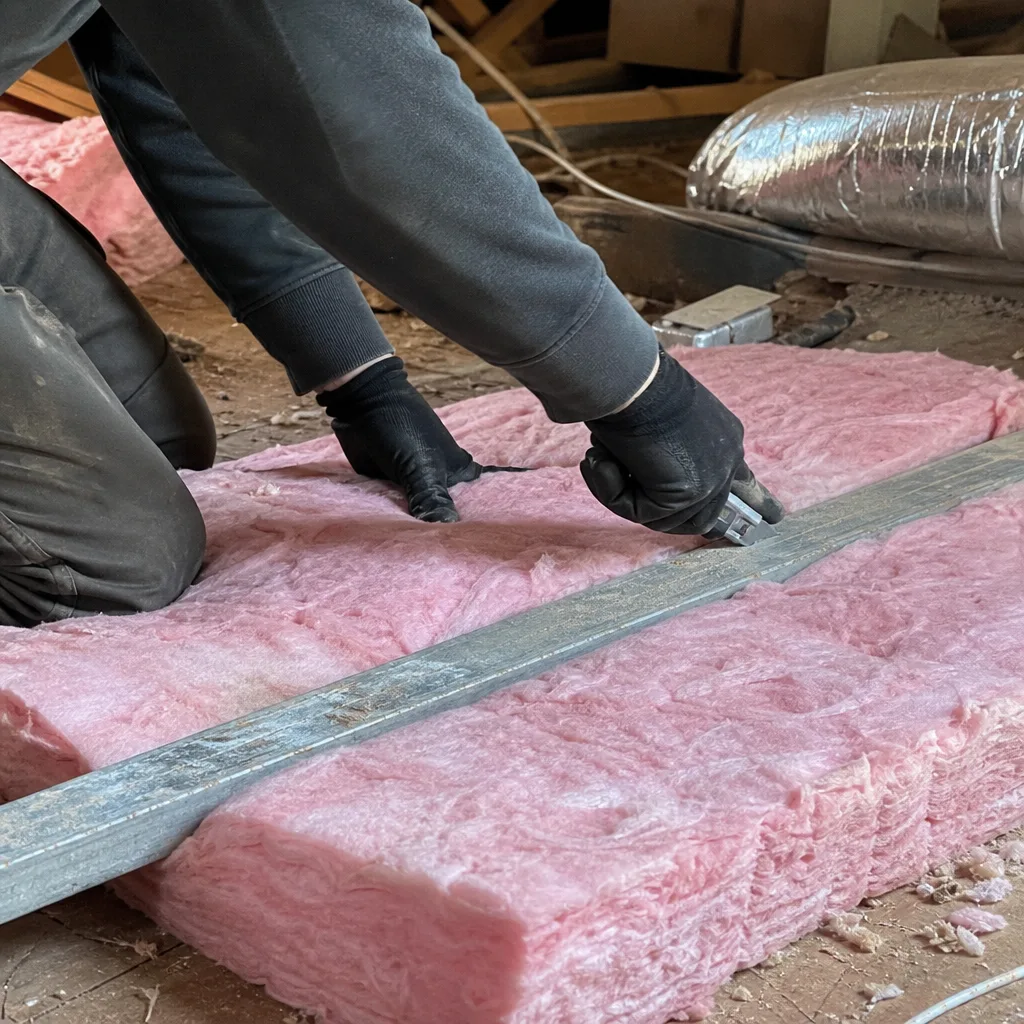
- Your energy bills are high relative to your square footage. Morgan Hill homeowners in the Madrone neighborhood and newer developments off Cochrane Road frequently call us after noticing that a 1,800-square-foot house is running $280-plus in summer electricity. An attic at R-11 or less is almost always a factor.
- The existing insulation is compressed, wet, or missing in sections. Insulation that has been compressed by HVAC ductwork, walked on during past repairs, or damaged by a roof leak loses R-value fast. Compressed fiberglass batts can drop from their rated value by 30 to 40 percent.
- Your second floor is noticeably hotter than your first floor in summer. In Morgan Hill, this is a summer-specific complaint we hear constantly. A thin attic floor is usually the cause – radiant heat loads down through inadequate insulation directly into the living space above.
- You’re planning to sell and want to meet Title 24 requirements. California requires R-38 minimum in Climate Zone 4, which covers Morgan Hill. Many homes built before 1995 fall short. Buyers’ inspectors flag it; a blown-in upgrade before listing removes that objection entirely.
- You’ve had HVAC work done recently and the attic floor was disturbed. Every time a technician re-routes ductwork or adds a return, the attic floor insulation gets pushed around. What looks fine from below can have 6-inch gaps you’d only see from inside the attic.
- Rodent or pest activity has contaminated the existing insulation. This is more common in the East Main Avenue corridor and older properties near downtown Morgan Hill than most homeowners expect. Contaminated insulation has to come out before new material goes in – a service we handle as part of our broader home envelope work.
Our Blown-In Attic Insulation Process
Every job follows the same documented sequence. Nothing gets skipped to save time, including the step most contractors skip entirely.
- Written scope and price before anything starts. Under Haven Standard Clause 1, you receive a flat written price and written scope before a single tool comes off the truck. That document names the target R-value, the material we’re using, the areas being insulated, and what the warranty covers. This isn’t an estimate subject to change – it’s the price.
- Pre-job blower-door test. We pressurize the home to 50 Pascals using a calibrated fan mounted in an exterior door. The number we get – expressed in CFM50, which is the cubic feet of air per minute leaking out of your building envelope – becomes the baseline. You’ll see this number on your final documentation. We’ve recorded readings in Morgan Hill homes as high as 5,800 CFM50 before work started.
- Air sealing of the attic floor – before insulation. This is the step that separates an effective job from a cosmetic one. We foam and caulk every top-plate penetration, recessed-light fixture, plumbing and electrical chase, and attic hatch perimeter before the blower runs. In older Morgan Hill homes – particularly anything built before 1985 – these unsealed penetrations can account for more heat loss than the insulation gap itself. Blowing insulation over unsealed holes doesn’t fix the holes; it hides them.
- Blown-in installation to target depth. The blower hose goes into the attic and the technician works from the perimeter inward, maintaining consistent depth using installed depth markers. We verify depth at multiple points before the hatch closes. For most Morgan Hill attics, R-49 requires roughly 16 to 18 inches of blown cellulose, depending on settled density.
- Post-job blower-door test and documentation. The pressurization test runs again after sealing. Both numbers – before and after – appear in your written job record. If the post-seal number isn’t meaningfully lower, we find out why before we leave. On applicable jobs, a before-and-after blower-door reading is part of what you receive under the Haven Standard, not something available on request.
- Documented photo record delivered to you. Photos of the pre-work attic condition, the air-sealing work, and the post-installation depth are included with every visit. You’ll have a record of what was found and what was done – one that doesn’t rely on anyone’s memory.
Blown-In Attic Insulation Pricing in Morgan Hill
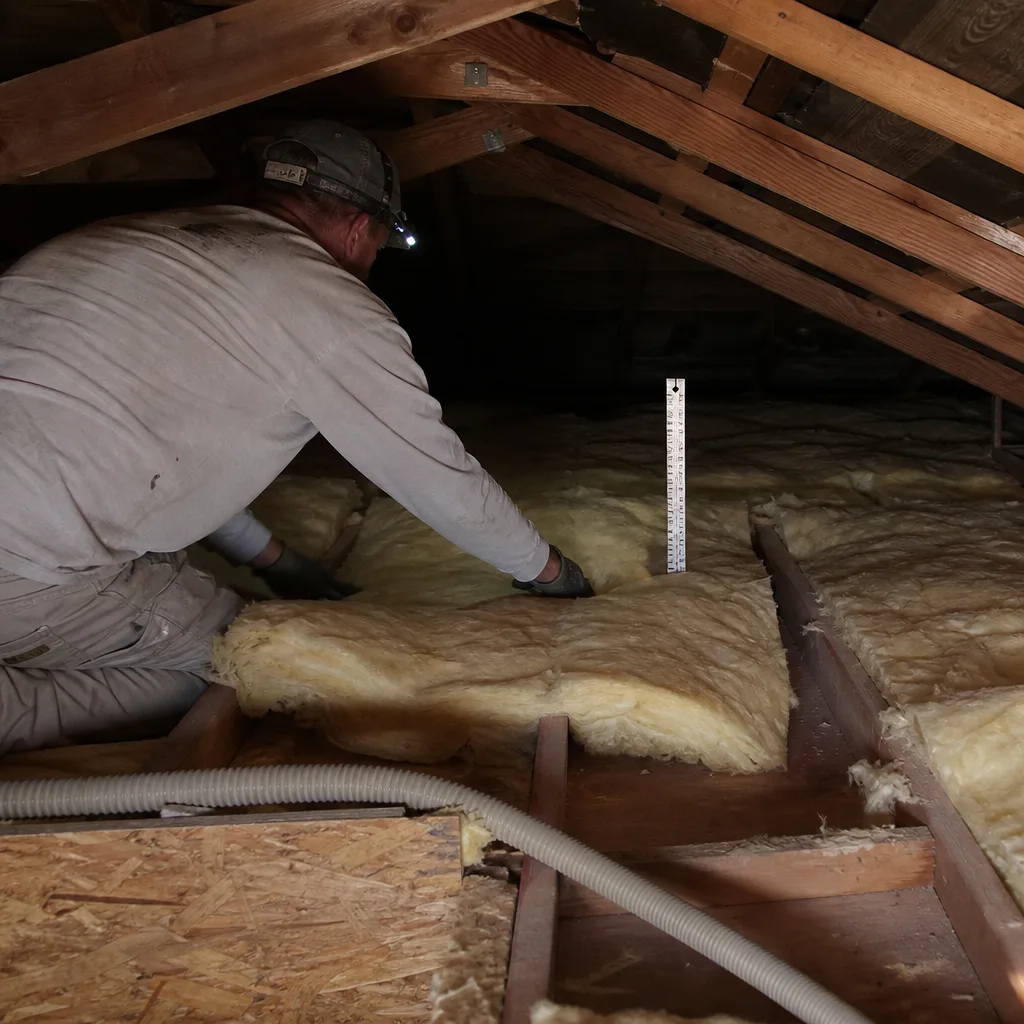
Most blown-in attic insulation jobs in Morgan Hill fall within the ranges below. These reflect actual market conditions in Santa Clara County as of 2025-2026, including current material costs for GreenFiber cellulose and Owens Corning fiberglass products.
| Attic Size (sq ft) | Typical Price Range | Notes |
|---|---|---|
| 800 – 1,200 | $1,400 – $1,900 | Most townhomes and smaller single-story homes in Morgan Hill |
| 1,200 – 1,800 | $1,900 – $2,500 | Typical single-story ranch, common in the Madrone and Paradise Valley areas |
| 1,800 – 2,600 | $2,500 – $3,200 | Larger two-story homes; price reflects attic floor area, not living area |
| 2,600+ | $3,200 and up | Custom homes, complex attic geometry, or significant air-sealing scope |
What moves the price up or down:
- Current R-value: If you already have 3 inches of existing fiberglass that’s still in reasonable condition, we may be adding to it rather than replacing it, which reduces material volume and cost.
- Attic access: A 22-by-30-inch pull-down stair makes the job faster than a 14-inch square hatch in a closet. Difficult access adds time.
- Air-sealing scope: Homes in Morgan Hill built before 1990 often have 40 to 60 penetrations that need to be sealed. That work is priced into the scope from the start – not added later as a surprise line item.
- Insulation removal: If existing material is contaminated or needs to come out before new insulation goes in, that’s a separate documented line item with its own price.
- Target R-value: R-38 costs less material than R-49. We’ll tell you which the job warrants and why.
A written price is part of every job we take on. There’s no version of working with Topside Attic Insulation Morgan Hill where you find out the price after the crew arrives. Call (669) 280-8103 and we’ll schedule a visit, inspect the attic, and give you a flat written number – no obligation required.
FAQs – Blown-In Attic Insulation in Morgan Hill
How much does blown-in attic insulation cost in Morgan Hill?
Blown-in attic insulation in Morgan Hill typically costs between $1,400 and $3,200 for most residential attics, depending on square footage, current R-value, and the air-sealing scope required. A 1,500-square-foot attic floor with moderate air-sealing work generally lands in the $2,000 to $2,600 range using cellulose or fiberglass loose-fill. The price you receive from Topside Attic Insulation Morgan Hill is a flat written number before any work starts – not a range that adjusts once the crew is on site. Call (669) 280-8103 for a written estimate with no obligation.
Is blown-in insulation better than batts for a Morgan Hill attic?
Blown-in insulation covers irregular joist bays and works around obstructions – HVAC runs, blocking, older wiring – more consistently than batts do. In most Morgan Hill attics we inspect, batts have settled or been disturbed enough to leave visible gaps along joists and at walls. Blown-in material fills those spaces. That said, neither method performs as expected if the attic floor hasn’t been air-sealed first. Insulation slows heat transfer; it doesn’t stop air movement. If there are open penetrations at top plates or around recessed lights, conditioned air bypasses the insulation entirely. We seal before we blow – that’s not optional on any job we take.
How long does blown-in attic insulation last in this climate?
Blown-in cellulose and fiberglass insulation are rated to last 20 to 30 years under normal conditions, and Morgan Hill’s climate is relatively kind to attic insulation – dry summers and mild winters mean less moisture cycling than coastal Bay Area homes see. The biggest threats to longevity are pest activity (which can compress and contaminate material quickly), roof leaks that wet the insulation and cause it to mat, and physical disturbance from HVAC or roofing work. A documented photo record at installation gives you a clear baseline – if a future inspection shows compression or damage, you’ll know exactly what changed and when.
Do I need a permit for blown-in attic insulation in Morgan Hill?
In most cases, adding blown-in insulation to an existing attic in Morgan Hill does not require a building permit from the City of Morgan Hill, provided no structural work is involved and the attic is not being converted to conditioned space. California requires the work to meet Title 24 energy code standards – R-38 minimum for Climate Zone 4 – but that’s a code requirement, not a permit trigger for like-for-like insulation upgrades. If you’re combining insulation with other work (a full attic renovation, adding HVAC equipment, or encapsulating a previously unconditioned space), permit requirements can change. We’ll tell you which category your job falls into as part of the written scope.
Why the Order of Operations Matters
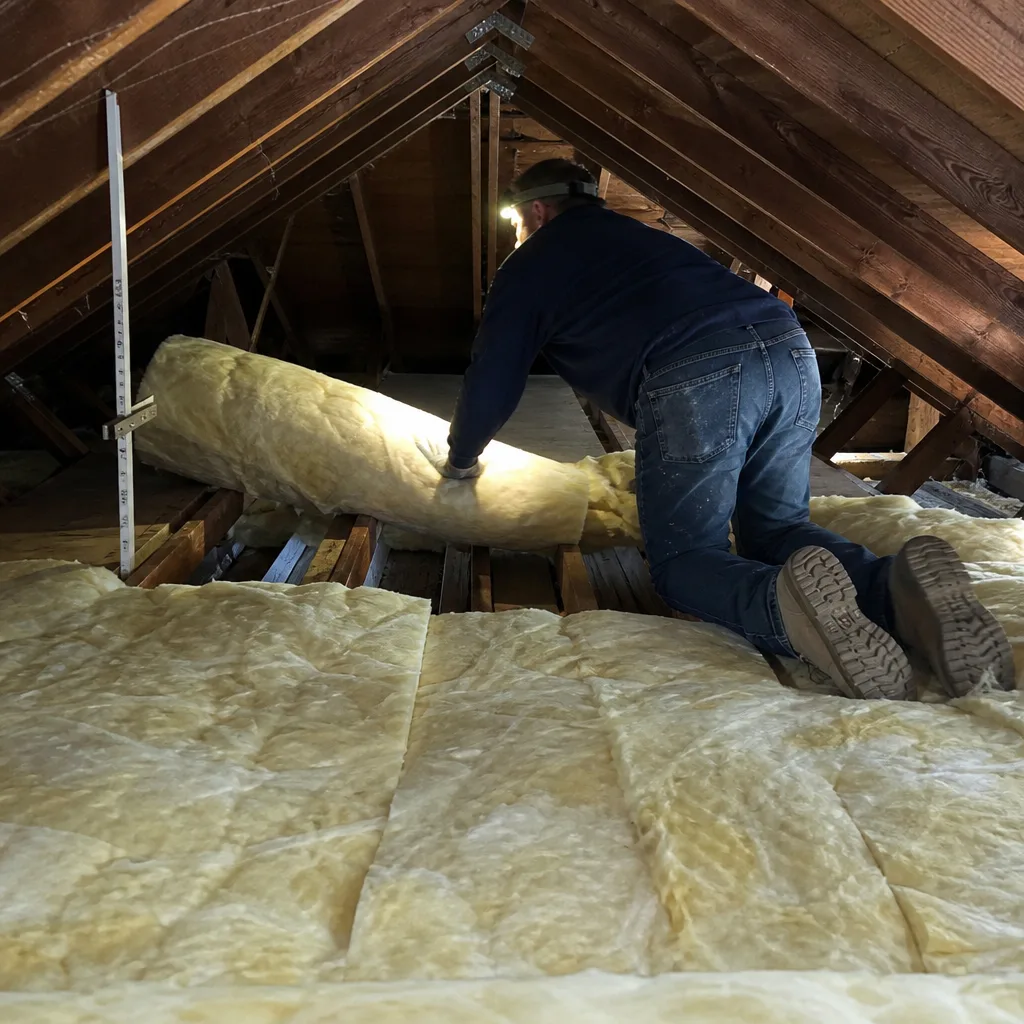
Most insulation companies in the Morgan Hill area will blow insulation into an attic without air sealing it first. That’s not because they don’t know about air sealing – it’s because air sealing adds time and requires a different skill set than operating a blower machine. The result is an attic that looks fully insulated but still loses conditioned air through every open penetration under the new fluff.
We’ve measured attics in Morgan Hill’s Tennant Station neighborhood and along East Main where a previous contractor had blown 14 inches of cellulose, and the blower-door reading was still above 4,000 CFM50. The insulation was deep enough. The air leaks were still open. The homeowner paid for insulation and got no meaningful reduction in air infiltration.
Under The Haven Standard, which Envelope Insulation Co. has operated under since 2016, air sealing is a hard prerequisite – not a conversation, not an upsell. It happens first. The blower-door number before and after proves whether it worked. That’s what 9,000-plus sealed and insulated homes under this standard looks like in practice.
If you have a written estimate from another contractor that doesn’t include air sealing as a line item, bring it to us. We offer a free second opinion on any written estimate and will review it with you – line by line – at no charge.
Materials We Use
We source from Owens Corning, GreenFiber, Johns Manville, Knauf, and other established manufacturers depending on the application. There’s no proprietary product lock-in – the material we spec for your attic is the one that performs best for your specific geometry, existing substrate, and moisture history. We’ll name it in the written scope before the job starts, along with the rated R-value per inch and the target installed depth.
For most Morgan Hill attics, blown-in cellulose (GreenFiber) is the first recommendation: it’s made from recycled content, handles the dry heat of a South Valley summer well, and settles predictably. Fiberglass blown-in (Owens Corning) is the call when moisture history is a concern or when an existing fiberglass batt layer makes cellulose a poor mix. We’ll tell you which applies and why, in writing.
Key Takeaways
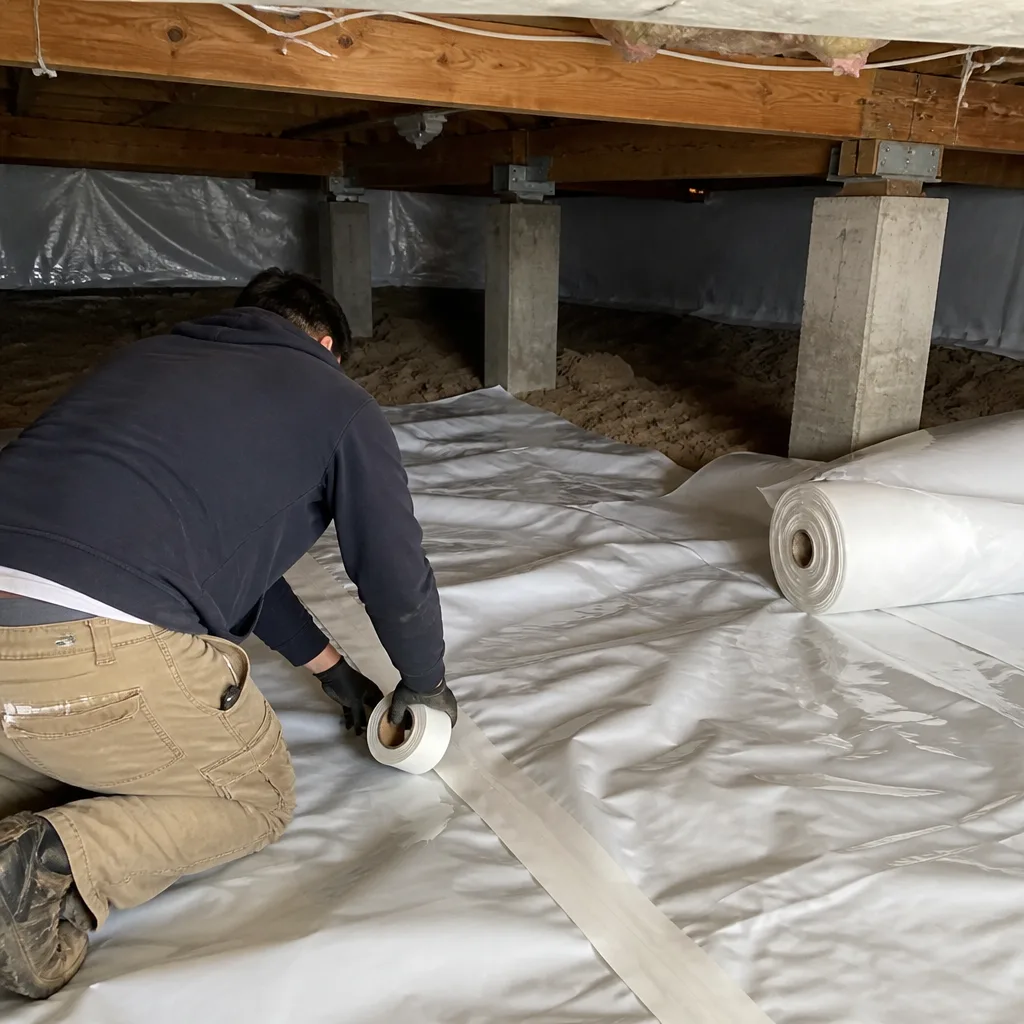
- Blown-in attic insulation in Morgan Hill typically runs $1,400 to $3,200 depending on attic size and scope.
- Air sealing comes before insulation on every job – open penetrations at top plates and recessed lights bypass insulation entirely.
- Before-and-after blower-door numbers are documented on every applicable job so you can verify the performance change.
- A written price is delivered before any work starts – Haven Standard Clause 1, no exceptions.
- California Title 24 requires R-38 minimum in Morgan Hill’s climate zone; most pre-1995 homes fall short.
- A documented photo record is included on every visit, not available on request.
- If you have a competing written estimate, we’ll give you a free second opinion before you decide.
Get a Written Price for Your Morgan Hill Attic
If your attic insulation is thin, uneven, or simply hasn’t been touched since the house was built, a blown-in upgrade to current California standards is one of the higher-return improvements a Morgan Hill homeowner can make – and unlike a kitchen remodel, the result is measurable before and after with a single test number.
Topside Attic Insulation Morgan Hill covers the full Morgan Hill area, including Madrone, Tennant Station, Paradise Valley, and surrounding neighborhoods throughout the Gilroy and South Valley corridor. Our broader work is documented under the Attic Insulation in Morgan Hill service page if you want context on how blown-in fits into a full attic assessment.
To get a flat written price with no strings attached, call (669) 280-8103. A live person answers every call. We’ll schedule a visit, inspect the attic, measure what’s there, and hand you a written scope and price before anyone touches a thing. That’s how every job starts here.
Written by Wes Okafor, Owner at Topside Attic Insulation Morgan Hill, serving Morgan Hill since 2016.