
Last updated September 24, 2026
Insulation Warning Signs: A Morgan Hill Homeowner’s Reference Guide
When one room in a Morgan Hill house runs 6°F warmer than the rest on a 95°F day, the cause is almost never the thermostat or the ductwork. It is a missing or compressed batt directly above that room’s ceiling, a failure that takes four minutes to confirm with a thermal camera and costs nothing to diagnose. Most homeowners spend months chasing HVAC repairs before they look up. This guide-along with our Complete Guide to Insulation in Morgan Hill-teaches you to read the symptoms your house is already giving you, trace them to the specific envelope failure causing them, and describe what you find precisely enough that any contractor can quote the right scope on the first visit. No guesswork, no upsell vulnerability.
Quick Answer
The warning signs of failing insulation in a Morgan Hill home are thermal (uneven room temperatures, high utility bills), acoustic (exterior noise penetration), and air-quality (musty odors, excessive dust) symptoms that most homeowners mistake for HVAC problems. The eight most reliable indicators are: uneven room temperatures, elevated utility bills, ice dams or hot roof spots, visible daylight at attic penetrations, pest debris or droppings, musty odors, nail pops at ceilings, and excessive dust at supply registers. Each symptom maps to a specific envelope failure, and most can be diagnosed with a $5 smoke pencil before you call anyone.
Table of Contents
- The Symptom-to-Failure Matrix: Reading Your House
- Air-Sealing Failure vs. Thermal-Resistance Failure
- Homeowner Diagnostics: The $5 Smoke Test
- What Each Warning Sign Costs If You Ignore It
- When You Need a Blower-Door Test
- Morgan Hill Climate and Building Stock Considerations
- Common Mistakes to Avoid
- When to Call a Professional
- Frequently Asked Questions
The Symptom-to-Failure Matrix: Reading Your House
Your house communicates through discomfort. The trick is learning which symptom points to which failure. Below is the matrix we have built from 9,000+ homes sealed and insulated since 2016. Every entry links an observable symptom to its most likely cause, the location to inspect, and whether you can confirm it yourself or need a contractor with a blower door.
1. Uneven Room Temperatures
The upstairs bedroom that never cools below 78°F while the living room holds 72°F is the classic complaint in Morgan Hill’s older subdivisions, particularly in the 1990s and 2000s builds off East Main Street and around Paradise Valley. The cause is almost always missing or displaced insulation above the hot room, combined with an unsealed top plate that lets attic air wash down the wall cavity.
Check the attic floor directly above the problem room. Look for:
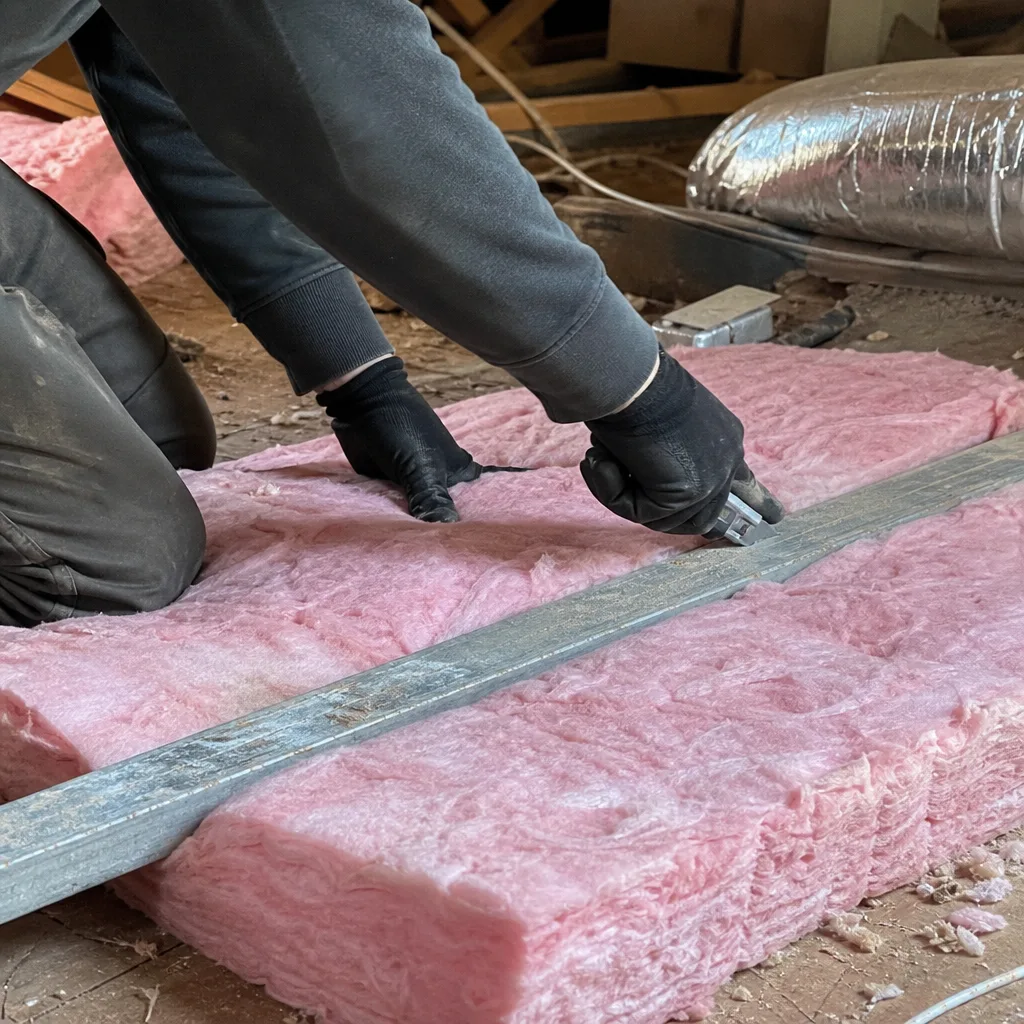
- Batts that have been walked on and compressed to half their labeled thickness
- Gaps where blown-in cellulose or fiberglass has settled away from the eaves
- Areas where insulation was never installed, often above additions or retrofitted HVAC platforms
A thermal camera confirms this in minutes. Without one, a simple surface thermometer on the ceiling during peak afternoon heat will show a 5-15°F difference between the problem room and a comfortable one.
2. Elevated Utility Bills
The average Morgan Hill home with a 2,000-square-foot conditioned envelope and a 3-ton heat pump should see summer cooling bills in the $180-$260 range at current PG&E rates. If your July bill crosses $350 and your usage patterns have not changed, the envelope is leaking conditioned air or bleeding heat faster than the HVAC can replace it.
Common culprits we find in Morgan Hill attics:
- Unsealed can lights (recessed housings without IC-rating and airtight gaskets)
- Plumbing and electrical penetrations left open during original construction
- Ductwork running through unconditioned attic space with 10%+ leakage
- Attic access hatches with no weatherstripping or insulation board
Each of these is an air-sealing failure, not an insulation failure. Adding more insulation over an unsealed attic floor is like pouring water into a cracked bucket.
3. Ice Dams or Hot Roof Spots
Morgan Hill does not see true ice dams, but the underlying mechanism, heat bleeding through the roof deck, shows up as premature shingle degradation and concentrated thermal patterns visible from the street after sundown. We have documented this repeatedly in the older ranch homes near San Martin and the hillside builds off Uvas Road where cathedral ceilings were insulated with too-thin batts and no ventilation baffles.
Hot roof spots indicate conductive heat loss through insufficient R-value or compressed insulation. In summer, the same failure forces your air conditioner to fight a roof deck that reaches 140°F or higher.
4. Visible Daylight at Penetrations
This is the single most definitive visual sign of an air-sealing failure. In your attic, with the hatch closed and lights off, look for pinholes of daylight around:
- Chimney chases
- Plumbing vent stacks
- Electical conduit entries
- HVAC platform penetrations
- Party walls in attached or zero-lot-line homes
Every point of daylight is a point where conditioned air escapes and unconditioned attic air enters. In Morgan Hill’s windy spring months, these gaps drive significant infiltration.
5. Pest Debris or Droppings
Rodents nest in insulation for the same reason we want it: thermal buffering. Their presence also means they have found entry points. In Morgan Hill, roof rats are the primary concern, and they exploit gaps at eave returns, unscreened vents, and unsealed penetrations. Their trails compress insulation, create bypass channels, and contaminate what remains.
We have removed insulation in homes off Tennant Station and along Cochrane Road where rat activity had reduced effective R-value by 30% or more through compression and tunneling.
6. Musty Odors
A musty smell that intensifies in summer usually indicates moisture accumulation in the envelope, most commonly from:
- Insulation contacting the roof deck without proper ventilation (condensation)
- Crawl space moisture migrating upward through unsealed floor penetrations
- Air leakage carrying attic or crawl space odors into conditioned space
Morgan Hill’s Mediterranean climate, with dry summers and winter rains, creates seasonal moisture patterns that poorly sealed envelopes cannot manage. Our Seasonal Insulation Care for Morgan Hill: Year-Round Homeowner’s Guide breaks down what to watch for each quarter.
7. Nail Pops at Ceilings
When drywall screws or nails push through the finish, the cause is often thermal cycling of the framing members due to poor insulation contact. The drywall expands and contracts at a different rate than the framing, working fasteners loose over time. This is especially common in homes with kraft-faced batts installed with gaps or compression.
8. Excessive Dust at Supply Registers
If you are dusting weekly and the return is thick, your HVAC system is likely pulling attic air through leaks in the return plenum or ductwork. That attic air carries fiberglass particles, rodent debris, and pollen. The dust is a symptom; the duct leakage is the disease.
| Symptom | Most Likely Failure | Location to Inspect | Self-Diagnosable? |
|---|---|---|---|
| Uneven room temperatures | Missing/compressed insulation + unsealed top plate | Attic floor above problem room | Yes, with surface thermometer |
| Elevated utility bills | Air leakage at penetrations + duct leakage | Attic floor, duct connections | Partially; blower door confirms |
| Hot roof spots | Insufficient R-value or compressed insulation | Roof deck underside | Yes, thermal camera or evening observation |
| Visible daylight | Unsealed penetrations | Attic with lights off | Yes |
| Pest debris | Entry points + nesting in insulation | Attic floor, eave areas | Yes |
| Musty odors | Moisture accumulation from air leakage | Attic, crawl space | Yes; source may need pro |
| Nail pops | Insulation gaps causing thermal cycling | Ceiling framing bays | Visual confirmation only |
| Excessive dust | Duct leakage pulling attic air | Return plenum, duct seams | No; requires pressure test |
Air-Sealing Failure vs. Thermal-Resistance Failure
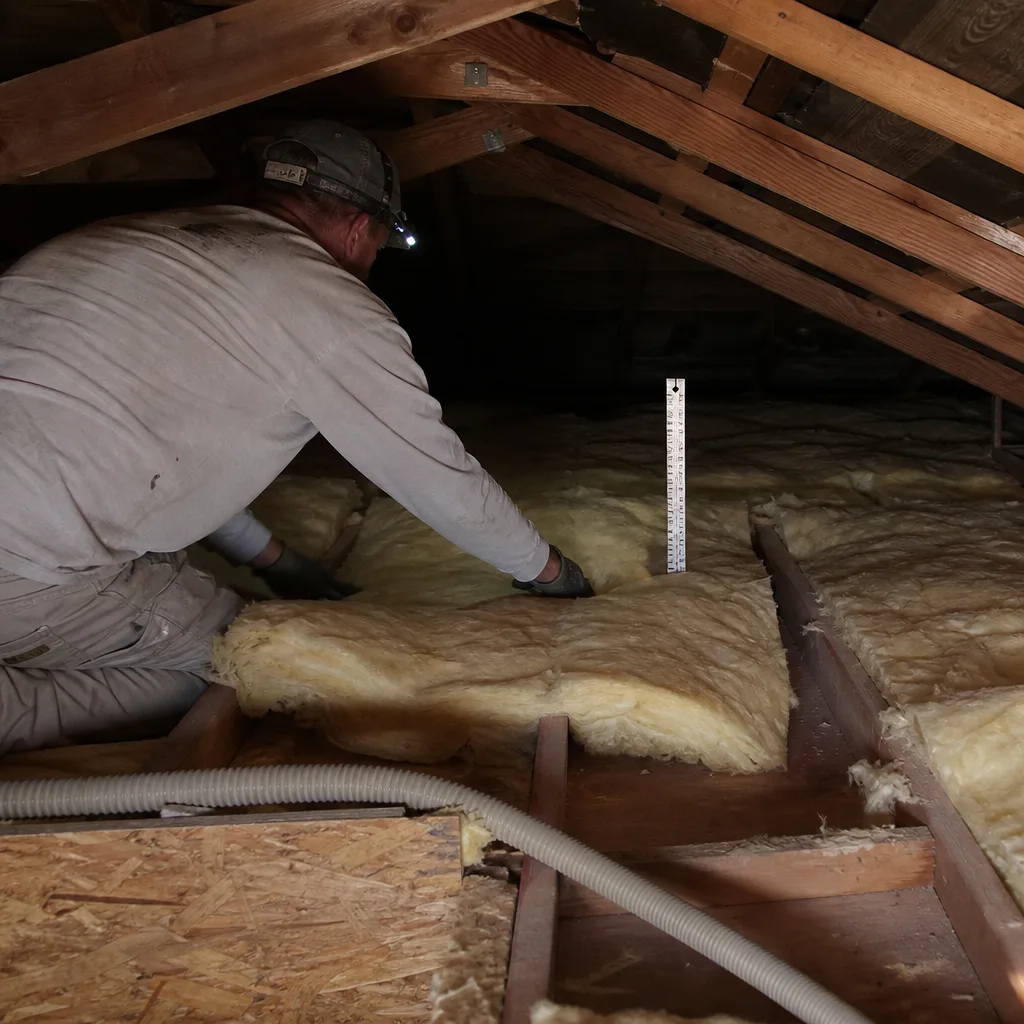
This distinction determines whether your repair costs $800 or $4,000, yet most homeowners, and too many contractors, conflate the two. Understanding the difference protects you from paying for insulation when you need sealing, or sealing when you need insulation.
Thermal-Resistance Failure: The Insulation Problem
Thermal resistance is measured in R-value, the capacity of a material to resist heat flow. When insulation fails thermally, it is because:
- The installed R-value is below current Title 24 requirements (R-38 to R-60 for attics in Morgan Hill’s climate zone)
- The insulation has settled, compressed, or been displaced
- The insulation was installed with gaps or voids
- Moisture has degraded the material (common with cellulose in leak-prone areas)
Symptoms of thermal-resistance failure are steady-state and predictable: the room is always hot in summer, always cold in winter, and the problem correlates with outdoor temperature. The ceiling surface temperature will track closely with the attic air temperature.
Air-Sealing Failure: The Leakage Problem
Air sealing addresses the movement of air through the building envelope, not the resistance of the materials in it. A house can have R-60 insulation and still hemorrhage conditioned air through unsealed penetrations. The blower-door test, a pressurization reading that shows in one number how much air your building envelope is losing, measures this in CFM50, cubic feet per minute at 50 Pascals of pressure difference.
Symptoms of air-sealing failure are dynamic and wind-dependent: drafts that come and go, rooms that change temperature when the wind picks up, odors that appear during certain weather. The Topside Attic Insulation Morgan Hill home assessment process always separates these two failure modes before recommending any work.
Why the Confusion Costs You Money
A contractor who blows new fiberglass over an unsealed attic floor has improved R-value but left the air leakage untouched. You will feel some difference, but you will not see the utility bill reduction you paid for. Conversely, a contractor who seals every penetration but leaves R-19 batts in place has solved the drafts but not the conductive heat gain through the roof deck.
At Envelope Insulation Co., we seal first, then insulate, in that order. Air sealing of top plates, can lights, and penetrations is completed before any insulation is added. This is not an upsell. It is a prerequisite. We have seen too many Morgan Hill homeowners pay for insulation twice because the first contractor skipped the sealing. Following a proper Attic Insulation Maintenance Checklist for Morgan Hill Homeowners helps prevent this.
Homeowner Diagnostics: The $5 Smoke Test
You do not need specialized equipment to locate air infiltration. A stick of incense or a smoke pencil, available at any hardware store, will reveal pressure-driven leaks that are invisible to the eye. This test works best on a windy day or when the temperature difference between indoors and outdoors is at least 20°F.
What You Need
- One stick of incense or a smoke pencil ($3-$8)
- A calm hand and patience
- Your HVAC system off, so you are not testing duct turbulence
Step-by-Step: Testing Three Critical Locations
- Attic Hatch: Close the hatch. Light the incense and hold it near the perimeter seam. If the smoke streams horizontally or gets sucked inward, you have a pressure bypass. In many Morgan Hill homes built before 2010, the attic hatch is a 2-square-foot uninsulated, unsealed hole in the ceiling. The smoke test makes it visible.
- Electrical Outlets on Exterior Walls: Remove the cover plate. Hold the incense near the box opening. Smoke movement indicates air moving through the wall cavity from the attic or outside. This is especially common in homes with unsealed top plates, the horizontal framing member where wall studs meet the ceiling. In our experience, roughly 70% of Morgan Hill homes have at least one outlet per exterior wall showing measurable infiltration.
- Plumbing Penetrations Under Sinks: Open the cabinet and hold incense near where pipes enter the wall. The space around plumbing pipes is often left open during construction and never sealed afterward. In bathrooms on exterior walls, this is a frequent source of winter drafts and summer humidity intrusion.
What the Results Mean
Any smoke movement indicates a pressure-driven leak. The stronger the movement, the larger the pressure difference and the greater the energy penalty. Mark these locations with painter’s tape. When you call a contractor, you now have a map of verified leaks, not a vague complaint about “drafts.”
What the smoke test cannot tell you: the total leakage rate of the house, the contribution of duct leakage, or whether the leakage is dominant on the supply or return side. For that, you need a blower-door test.
What Each Warning Sign Costs If You Ignore It
We have documented the financial penalties of deferred envelope repair across thousands of jobs. These are real numbers from real homes in Santa Clara County, not theoretical estimates.
Single Unsealed Attic Hatch
An uninsulated, unsealed attic hatch creates a chimney effect in winter and a reverse stack effect in summer. In a typical 2,000-square-foot Morgan Hill home, this single bypass costs $140-$220 per year in excess heating and cooling. Sealing it with weatherstripping and an insulated cover takes 45 minutes and materials under $60.
10% Duct Leakage in Unconditioned Attic
California Title 24 now requires 6% maximum duct leakage for new construction, but existing homes often test at 15-30%. A 10% leakage rate in an attic that reaches 130°F in summer means you are paying to cool that attic air, not your living space. The annual penalty: $280-$450. The repair, sealing accessible seams with mastic and replacing degraded flex duct, typically runs $800-$1,800.
Cellulose Insulation Absorbing Moisture
Cellulose, treated with borate fire retardant, is hygroscopic, meaning it absorbs moisture from humid air. In Morgan Hill homes with bathroom vents terminating in the attic rather than through the roof, we have removed cellulose that gained 40% weight from moisture absorption over two winters. The insulation value drops proportionally. Worse, the moisture degrades the borate treatment and can support mold growth. Remediation, removal, drying, and reinstallation with proper venting typically costs $2,500-$4,500.
Compressed or Displaced Batt Insulation
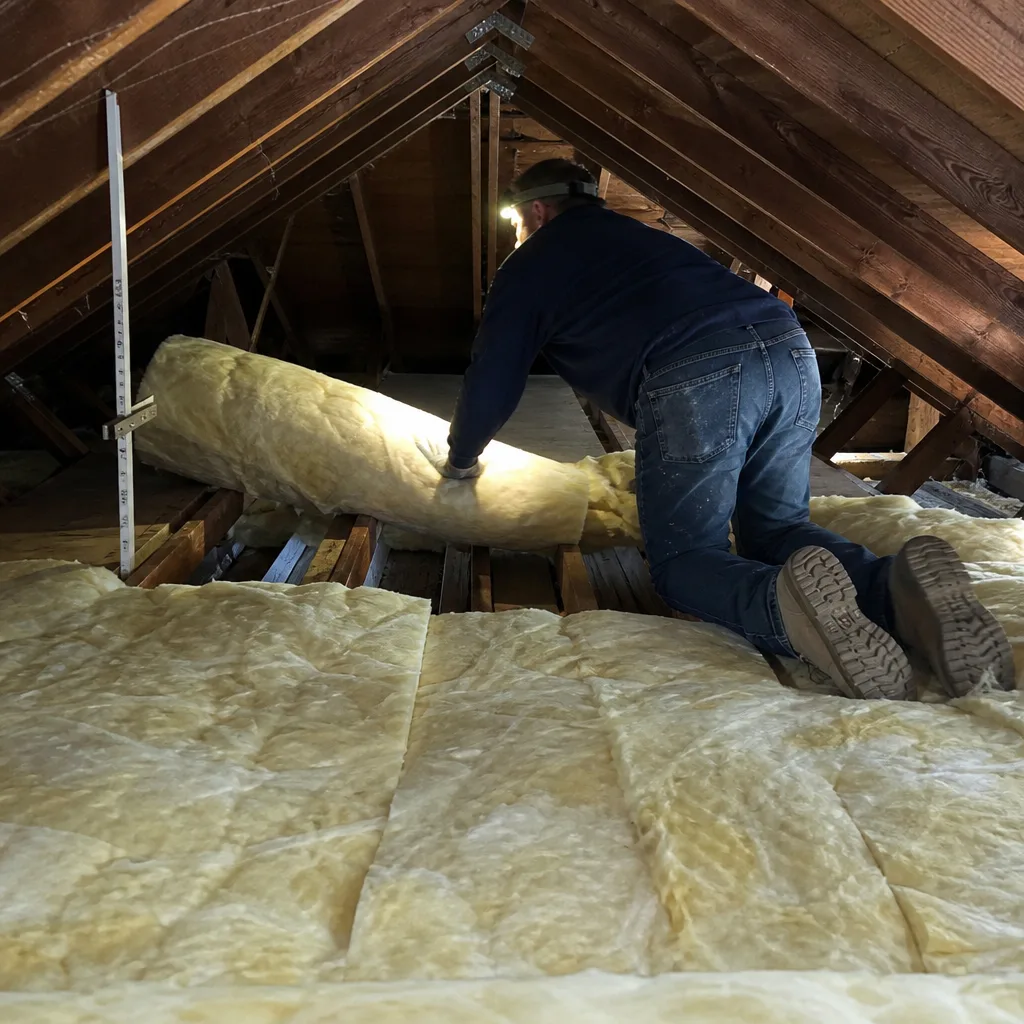
A batt compressed from its labeled R-30 thickness to R-15 performs at roughly half its rated value. In a 1,500-square-foot attic, replacing compressed batts with properly installed blown-in fiberglass or cellulose runs $1,800-$3,200. Leaving it in place costs $160-$280 per year in excess energy, so the payback period is 7-12 years at current rates, shorter if energy prices rise.
Rodent Contamination Requiring Full Removal
Once rodents have nested extensively, the insulation is compromised by compression, tunneling, and biological contamination. Full removal, decontamination, air sealing, and reinstallation in a typical Morgan Hill attic runs $4,500-$7,500. The annual energy penalty of the compromised insulation before removal: $200-$350. The health and air quality costs are harder to quantify but often drive the decision.
When You Need a Blower-Door Test
The smoke test finds localized leaks. The blower-door test, a pressurization measurement that shows in a single figure how much conditioned air the home was losing before and after the work, quantifies the whole-house performance. You need a blower door when:
- Your utility bills are high but visual inspection reveals no obvious gaps
- You have completed air sealing and want to verify the result
- You are comparing bids from multiple contractors and need an objective baseline
- You suspect duct leakage but cannot locate it visually
- You are preparing for Attic Insulation in Morgan Hill and want to know whether sealing or insulation should be prioritized
What the Number Tells You
A blower-door result of 4,000 CFM50 in a 2,500-square-foot home indicates a loose envelope, roughly 50% leakier than current best practice. A result of 1,500 CFM50 after sealing and insulation indicates a tight, efficient envelope. The difference between those two numbers, documented on every applicable job we complete, is the performance change you actually paid for.
At Envelope Insulation Co., we publish before-and-after blower-door numbers on every applicable job. The homeowner receives a documented record with the readings, the photos, and the written scope. This is Haven Standard practice, not an optional add-on.
Some failures cannot be found without pressure. A return duct leaking into the attic creates negative pressure that pulls attic air into the house through cracks you cannot see. Only a blower door combined with duct blasting or pressure pan testing isolates this failure. If a contractor quotes insulation without offering a blower-door test, you are buying a product, not a performance outcome.
Morgan Hill Climate and Building Stock Considerations
Morgan Hill sits in Climate Zone 12 under California Title 24, with hot, dry summers and mild, wet winters. This specific climate pattern creates insulation failure modes that differ from coastal or inland valley locations. For more guides & resources tailored to local conditions, see our blog.
Summer-Dominant Cooling Load
Unlike San Francisco or even San Jose, Morgan Hill sees 30-45 days above 90°F annually, with attic temperatures regularly exceeding 140°F. This makes ceiling insulation performance critical. Homes with R-19 or less in the attic, common in builds from the 1970s through the 1990s, are effectively uninsulated against this heat load. The Spray Foam Insulation in Morgan Hill page details how closed-cell foam addresses this specifically in cathedral ceiling assemblies where ventilation is limited.
Winter Rain and Moisture Management
Our 20-25 inches of annual rainfall, concentrated November through March, tests envelope moisture management. Homes with poor attic ventilation, blocked soffit vents, or bathroom vents terminating in the attic see seasonal moisture accumulation in insulation. We inspect for this specifically in the older hillside homes off West Edmundson Avenue and the canyon properties along Llagas Road where roof geometry complicates ventilation.
Wind Patterns and Infiltration
Morgan Hill’s spring winds, funneled through the Pajaro River gap and accelerated by local topography, drive significant infiltration in homes with unsealed envelopes. The smoke test is most revealing on these windy days. We have documented homes in the Madrone district where windward-side rooms showed 3× the infiltration of leeward rooms, a pattern invisible without pressure testing.
Building Age and Common Construction
The housing stock breaks into three eras with distinct envelope characteristics:
- Pre-1980: Often 2×4 walls with minimal or no attic insulation, plaster or early drywall, minimal air sealing. These homes benefit most from comprehensive air sealing and insulation upgrade.
- 1980-2005: Fiberglass batts in attics and walls, often poorly installed with gaps and compression. HVAC ductwork in attics, frequently leaky. This is our most common service call.
- 2005-present: Better baseline insulation but frequent shortcuts on air sealing, particularly at top plates and penetrations. Energy code compliance on paper does not always translate to performance in the field.
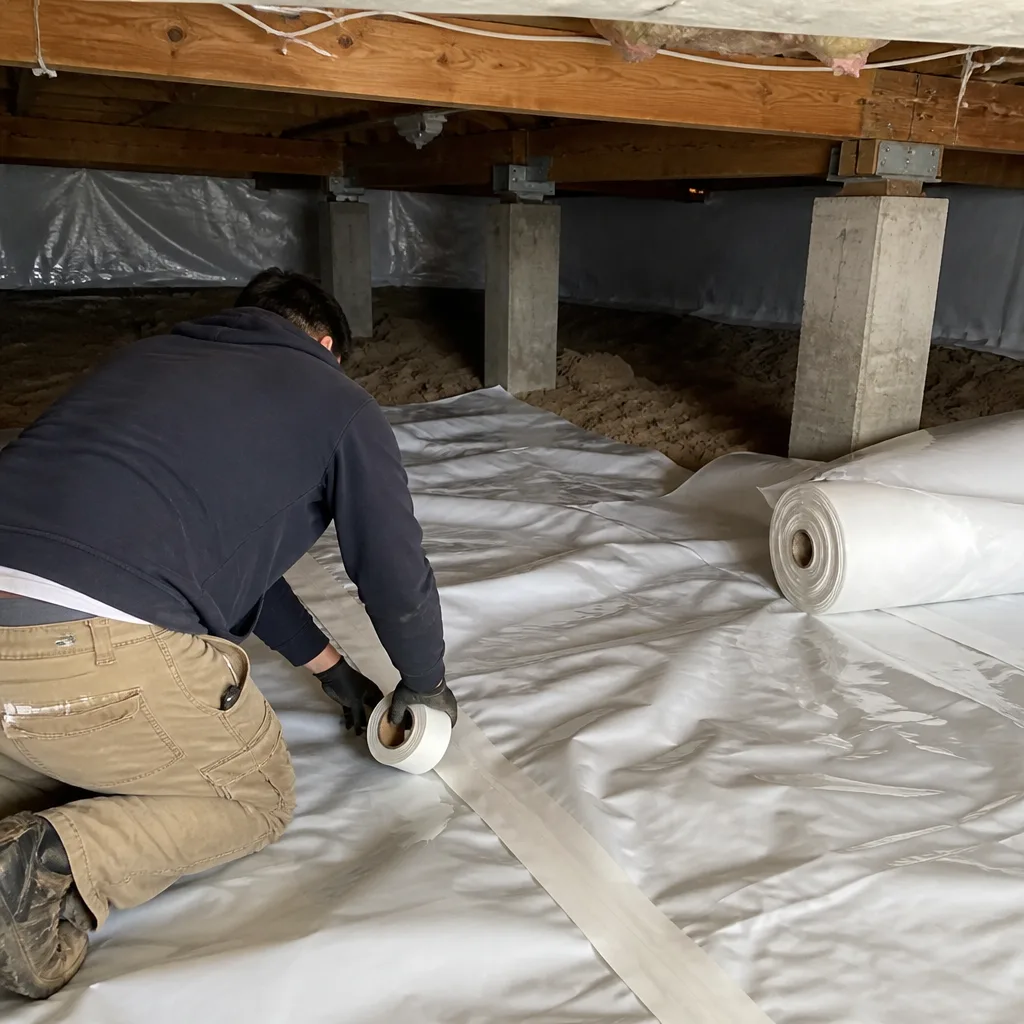
For homes with crawl space moisture issues, particularly in the lower-lying areas near Llagas Creek, Crawl Space Encapsulation & Vapor Barrier in Morgan Hill addresses the ground-up moisture pathway that compromises floor insulation.
Common Mistakes to Avoid
- Assuming new insulation fixes everything: Blown fiberglass over an unsealed attic floor improves R-value but leaves air leakage untouched. We have removed year-old insulation installations in Morgan Hill homes where the homeowner never felt a difference because the sealing was skipped.
- Trusting visual inspection alone: Insulation that looks fine can be performing poorly due to gaps behind it, moisture degradation, or compression from above. A thermal camera or blower-door test reveals what the eye cannot.
- Ignoring the hatch: The attic access hatch is the most commonly overlooked bypass. It is also the easiest to fix. Do not pay for a full insulation upgrade and leave the hatch unsealed.
- Blocking soffit vents with insulation: Well-meaning homeowners or handymen sometimes stuff insulation deep into eaves, blocking intake ventilation. This creates moisture problems that destroy the insulation from below. Baffles, cardboard or foam channels that maintain airflow, should be visible at every eave.
- Using the wrong insulation type for the application: Fiberglass batts in damp crawl spaces absorb moisture and sag. Open-cell spray foam in roof decks without proper vapor management can trap moisture against sheathing. Each location has appropriate materials; we source from Owens Corning, Johns Manville, Knauf, Rockwool, and other manufacturers to match material to condition, not to push a proprietary product.
- Neglecting duct sealing: In Morgan Hill, where most ductwork runs through 140°F attics, 10% leakage is a 10% permanent efficiency penalty. Duct sealing should be part of any attic insulation scope, not an afterthought.
- Accepting a verbal quote: Under Haven Standard Clause 1, every job begins with a written price, written scope, and written warranty before anyone lifts a tool. A contractor who will not put the scope in writing is not a contractor you should hire.
When to Call a Professional
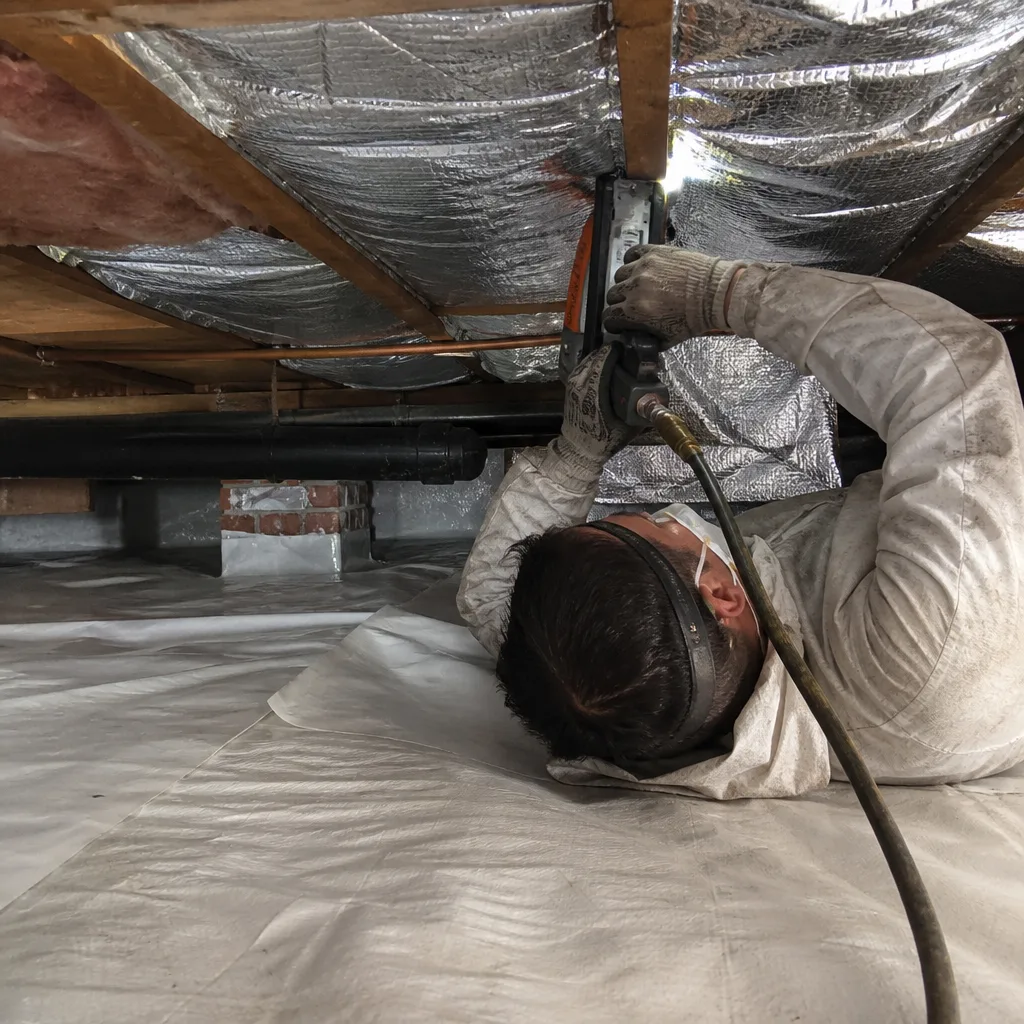
Call a contractor with blower-door capability when you have multiple symptoms, high utility bills without obvious cause, or any sign of moisture or pest contamination. The $5 smoke test has given you a map; a professional turns that map into a scoped repair with a guaranteed outcome.
Topside Attic Insulation Morgan Hill offers free estimates in Morgan Hill. We bring a blower door, a thermal camera, and a written process. Every assessment ends with a documented photo record and, when applicable, before-and-after blower-door numbers so you can verify the result. Call (669) 280-8103 to schedule. Written price before any work starts, always.
Frequently Asked Questions
Most attic insulation jobs in a 2,000-square-foot Morgan Hill home run between $2,800 and $5,500 for blown-in fiberglass or cellulose over sealed attic floors, including air sealing of penetrations and the attic hatch. Spray foam in cathedral ceilings or conditioned attics typically ranges $4,500-$9,000 depending on access and thickness. Every estimate we provide is a flat, written price with scope and warranty before work begins. Call (669) 280-8103 for an exact quote, estimates are free.
You can, but you should not until the air sealing is complete. Adding insulation over an unsealed attic floor buries the leaks, making them harder and more expensive to fix later, and delivers a fraction of the performance improvement. We have tested homes in Morgan Hill with R-50 insulation that performed like R-25 because the air leakage was never addressed. Seal first, then insulate.
Look for tunneling paths, compressed trails, droppings, or a urine odor in the attic. If you find these signs, the insulation is compromised and should be removed before new material is installed. Rodent-contaminated insulation is not just an energy problem; it is an air quality problem. We handle removal, decontamination, sealing of entry points, and reinstallation as a complete scope.
A blower-door test is a pressurization measurement that shows, in a single figure in CFM50, how much air your building envelope is losing. You need one if your bills are high without obvious cause, if you are comparing multiple bids and want an objective baseline, or if you want to verify that air sealing actually worked. We provide before-and-after blower-door numbers on every applicable job so the homeowner can see the performance change they paid for.
The cause is almost never the thermostat. It is usually a missing or compressed batt directly above that room’s ceiling, combined with an unsealed top plate that lets attic air wash down the wall cavity. A thermal camera confirms this in four minutes. We see this pattern constantly in Morgan Hill’s 1990s and 2000s builds, particularly in two-story homes where the upstairs master bedroom sits under a complex roof intersection.
Repair, meaning spot-fixing gaps and adding to existing insulation, is cheaper upfront, typically $800-$1,800. But if the existing insulation is compressed, moisture-damaged, or rodent-contaminated, repair is false economy. Full removal and replacement runs $2,500-$5,500 for a typical attic but delivers a clean, verifiable result with full performance warranty. We assess the condition and give you both options in writing, with the honest recommendation based on what we find.
Fiberglass and mineral wool insulation, if kept dry and undisturbed, can perform for 80-100 years. Cellulose settles 10-20% in the first years and may need topping off after 15-20 years. The real lifespan limit is usually not the material but the conditions: moisture, pest activity, or major HVAC work that disturbs it. In Morgan Hill’s climate, the primary threat is summer attic heat accelerating binder degradation in lower-quality products, which is why we specify materials from established manufacturers like Owens Corning and Knauf.
The Bottom Line
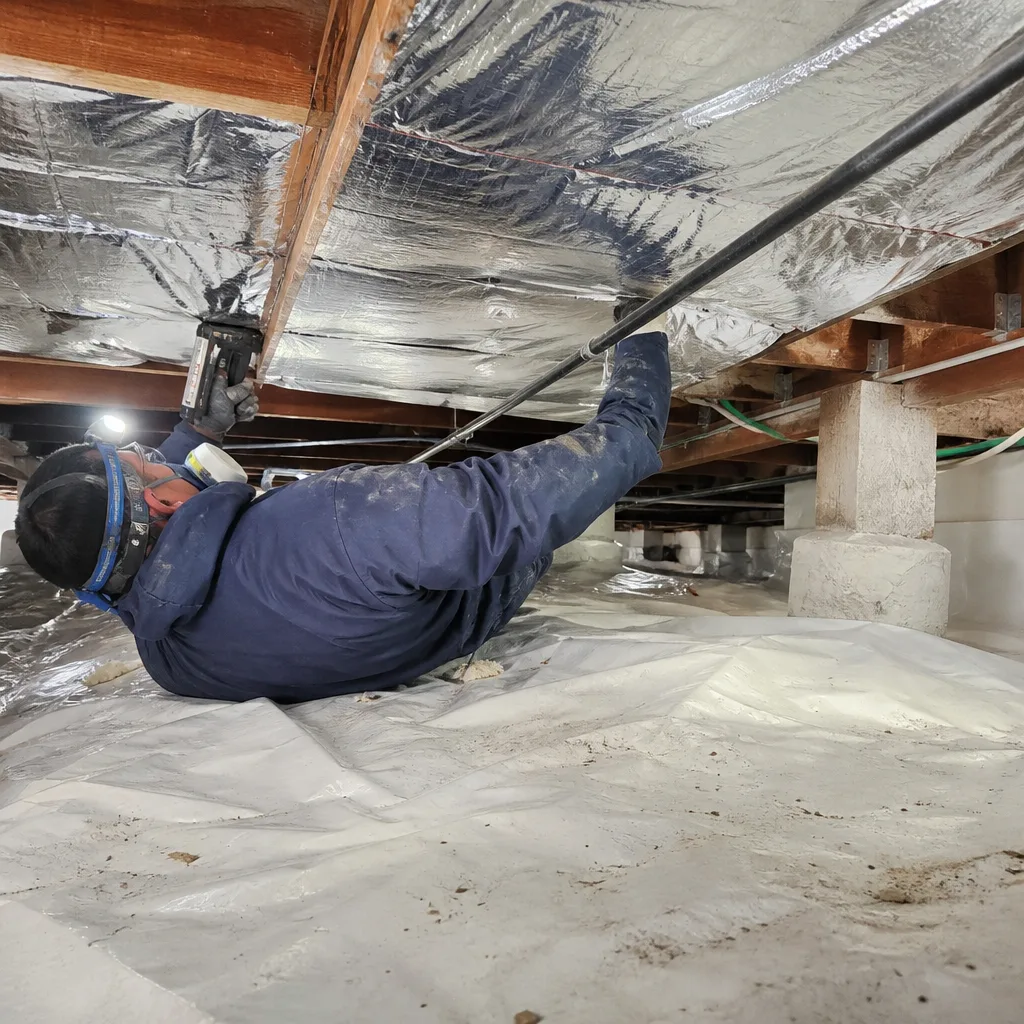
Your Morgan Hill home is already telling you where the envelope is failing. Uneven temperatures, high bills, drafts, dust, and odors are not mysteries to tolerate; they are diagnostic evidence to read. The $5 smoke test gives you a starting map. A blower-door test gives you the full picture. The right repair, scoped honestly and priced in writing before work starts, turns that evidence into comfort and verified savings. We have sealed and insulated 9,000+ homes since 2016, every one with a written price before work started and a documented record when the crew left. That is the Haven Standard. It is not complicated. It is just done right.
Written by Wes Okafor, Owner at Topside Attic Insulation Morgan Hill, serving Morgan Hill since 2016.