
Last updated September 24, 2026
Attic Insulation Maintenance Checklist for Morgan Hill Homeowners
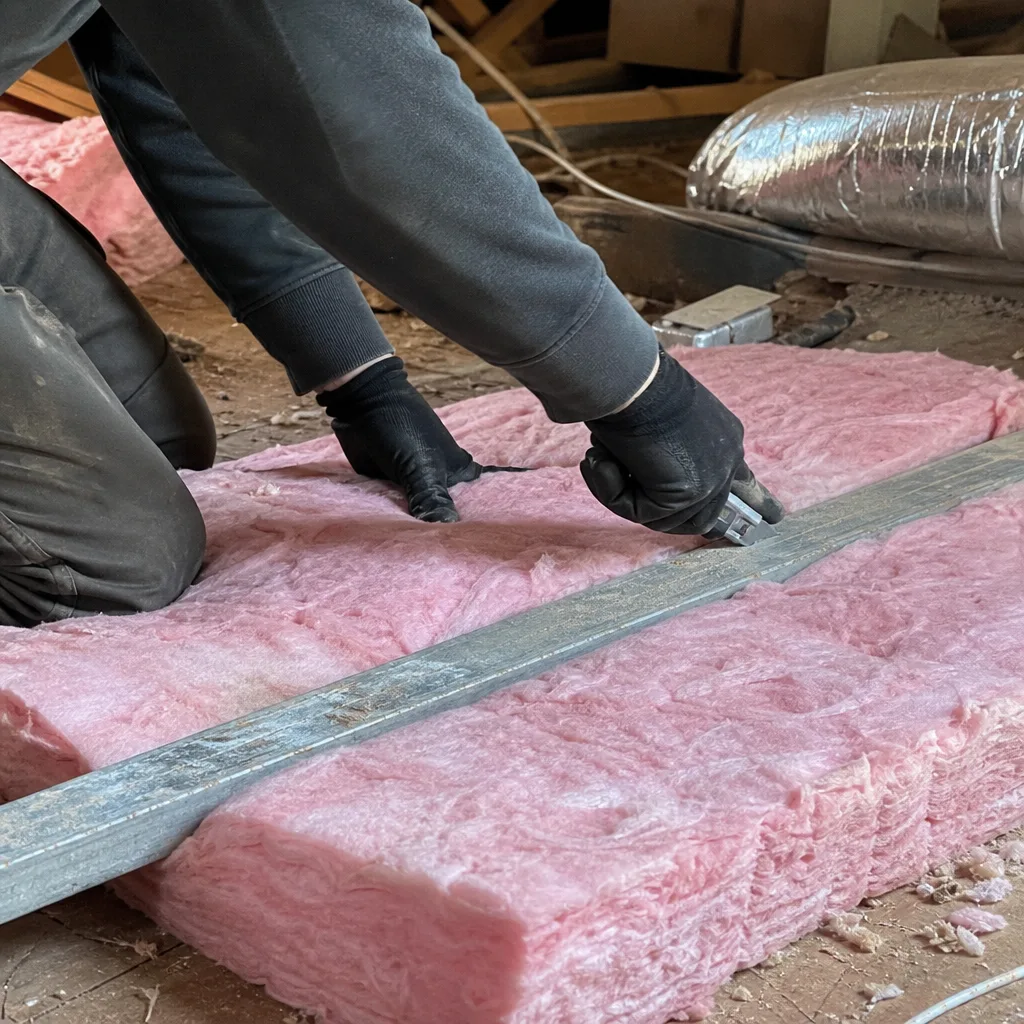
A disconnected flex-duct elbow in a Morgan Hill attic dumps conditioned air into 130°F dead space for years before anyone notices. The only sign inside the house is a room that never quite cools, which most homeowners blame on the thermostat. Most attic insulation maintenance advice is written for cold-climate homes where moisture is the primary threat; in Morgan Hill, the dominant failure modes are radiant heat compression, pest intrusion along the eave line, and HVAC duct disconnection - problems a moisture-focused checklist will miss entirely. For a deeper dive into these local challenges, see The Complete Guide to Insulation in Morgan Hill. This guide gives Morgan Hill homeowners a climate-specific inspection protocol tied to observable physical evidence, not vague annual reminders.
Quick Answer
Attic Insulation maintenance in Morgan Hill means inspecting twice yearly - late May before cooling season and late September before heating season - for five specific failure modes: compressed batts near ridge vents, blown-in settled below joist tops, rodent runs through fiberglass, duct tape failures on flex connections, and recessed light penetrations that have lost their air-sealed covers. Measure settled depth against the installed coverage chart, check for disconnected ducts using a room-by-room symptom map, and document findings in a written record for future buyers or energy auditors.
Table of Contents
- Why Morgan Hill Attics Fail Differently
- The Five Physical Indicators to Look For
- Room-by-Room Symptom Map
- How to Measure Settled Depth and Check R-Value
- Seasonal Inspection Schedule: Late May and Late September
- Keeping a Written Maintenance Record
- Common Mistakes to Avoid
- When to Call a Professional
- Frequently Asked Questions
Why Morgan Hill Attics Fail Differently
Morgan Hill sits at the southern tip of Santa Clara County, where summer attic temperatures routinely reach 130°F to 150°F and winter nights can drop below freezing. This wide temperature swing creates stress patterns that differ fundamentally from coastal Bay Area homes or Central Valley properties. The local climate drives three distinct failure modes that standard maintenance advice rarely addresses.
Radiant heat compression is the first. Morgan Hill’s 90+ days of temperatures above 90°F bake attic insulation from above. Fiberglass batts installed flat between joists gradually compress where they sit directly under ridge vents or near gable-end vent streams. The fibers don’t degrade chemically; they simply lose loft, and lost loft means lost R-value. We’ve measured batts in the Madrone Estates area that had compressed from an original R-38 to an effective R-19, with no moisture damage whatsoever. The heat alone did it.
Pest intrusion along the eave line is the second. Morgan Hill’s oak woodland interface - particularly in neighborhoods like Paradise Valley and the hills west of Watsonville Road - brings roof rats, mice, and squirrels into regular contact with residential structures. These pests don’t typically nest in the insulation center; they travel along the eave line where the roof deck meets the top plate, compressing a narrow highway through fiberglass as they go. The damage is localized but severe, and it creates air bypasses that defeat the insulation entirely in those zones.
HVAC duct disconnection is the third. Morgan Hill’s cooling-dominated load profile means flex ducts work hard for five months straight. The temperature cycling between 130°F attic air and 55°F conditioned air causes duct tape adhesive to fail, especially at elbow connections. A disconnected supply duct pressurizes the attic with conditioned air, which then escapes through any available penetration. The homeowner sees high bills and a hot room; the real problem is a $3 tape failure in the attic.
These three failure modes share a common feature: they’re all visible to a trained eye without specialized equipment. The checklist below shows you exactly what to look for.
Attic Insulation in Morgan Hill requires a different maintenance approach than standard guides suggest, precisely because our local conditions create these specific stress patterns.
The Five Physical Indicators to Look For
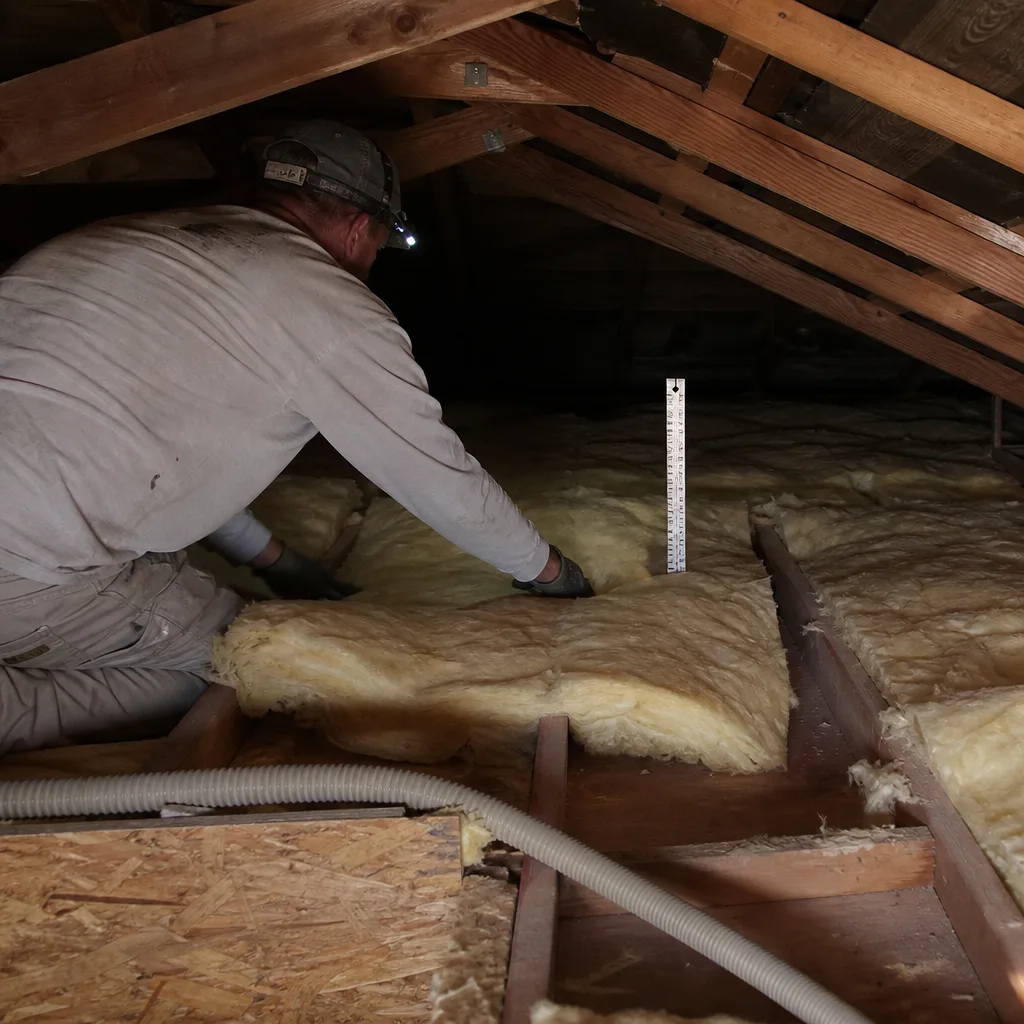
Every Morgan Hill attic inspection should include a systematic check for these five physical indicators. Each one produces observable evidence that you can document with a smartphone photo and a written note.
1. Compressed Batts Near Ridge Vents
Walk the attic centerline and examine insulation directly beneath ridge vents and any gable-end vents. Healthy fiberglass batt insulation springs back when lightly compressed; failed batts stay depressed and may show a visible “channel” where air has been moving across the surface. In Morgan Hill, we see this most often on south-facing roof planes where radiant heat is most intense. Measure the thickness with a ruler and compare to the nominal thickness printed on the batt facing - if it’s below 90% of nominal, the batt has lost significant R-value.
2. Blown-In Settled Below Joist Tops
Blown-in cellulose or fiberglass settles over time; this is normal and accounted for in installation coverage charts. Abnormal settling occurs when the material was installed at insufficient density or when moisture has caused clumping. In Morgan Hill’s dry climate, moisture clumping is rare; insufficient density is more common, especially in older installations from the 2005-2015 period when coverage charts were sometimes misapplied. The indicator is simple: if the blown-in surface sits below the top of the floor joists, the original depth was likely inadequate or the material has settled beyond design parameters.
3. Rodent Runs Through Fiberglass
Look for narrow compressed pathways, typically 2-3 inches wide, running parallel to eave lines or between duct trunks. Fresh runs show clean, pressed-down insulation with no debris; older runs accumulate droppings, seed hulls, or insulation fragments. In Morgan Hill’s hillside neighborhoods, we find these most often within 10 feet of the eave line where roof rats access from overhanging oaks. The runs themselves are insulation damage; the greater concern is that rodents have likely breached air-sealing details at the top plate or around penetrations.
4. Duct Tape Failures on Flex Connections
Examine every flex duct elbow, takeoff, and connection point. Duct tape - the gray cloth-backed adhesive, not foil tape or mastic - will show visible failure: the adhesive turns to powder, the tape hangs loose, or the connection gaps open. In Morgan Hill, we see this accelerated by the temperature differential between conditioned air and attic air. A failed connection at a supply duct dumps cooled air into the attic; a failed return connection pulls 130°F attic air into the HVAC system. Both conditions show up on the utility bill before they show up in comfort complaints.
5. Recessed Light Penetrations Missing Air-Sealed Covers
IC-rated recessed can lights should have airtight covers or boxes installed during insulation work. Non-IC cans should never be covered with insulation directly. The failure indicator is visible insulation directly contacting a non-IC housing, or a missing/displaced cover on an IC-rated fixture. In Morgan Hill, where cooling dominates, these penetrations act as chimneys in reverse: hot attic air drops through the can into conditioned space when the HVAC cycles off. The homeowner experiences it as a warm spot on the ceiling; the energy auditor measures it as a major air leakage pathway.
Topside Attic Insulation Morgan Hill home assessments always include documentation of these five indicators, with photos and written notes delivered to the homeowner before any work is discussed.
Room-by-Room Symptom Map
The most common reason Morgan Hill homeowners call us is a room that “never quite” reaches temperature. Before you enter the attic, map the symptom to the likely attic location. This saves inspection time and prevents unnecessary work.
| Room Symptom | Attic Location to Inspect | Likely Cause |
|---|---|---|
| Master bedroom hot in afternoon, especially 2-6 PM | Southwest corner of attic, directly above room | Compressed batts or missing insulation near roof edge; duct disconnection to that room’s supply |
| Kitchen or dining area warm, humidity high | Central attic over kitchen, near vent hood penetration | Displaced insulation around vent hood duct; air leakage at top plate |
| Guest room cold in winter, acceptable in summer | North-facing attic section above room | Insufficient insulation depth; possible duct disconnection on return side |
| Living room with vaulted ceiling hot near peak | Vaulted ceiling cavity, accessible from attic scuttle or gable vent | Inadequate ventilation at ridge; compressed batts in constrained cavity |
| Home office electronics running hot, occupant uncomfortable | Attic section above room, check for west-facing exposure | Radiant barrier degradation; duct tape failure on supply to that zone |
| Utility bill spike with no comfort change | All duct connections, especially return plenum | Return duct disconnected or leaking; attic air being drawn into HVAC |
This mapping works because Morgan Hill’s housing stock is relatively uniform in construction era and technique. Most homes in the 95037 zip code built between 1985 and 2010 share common attic geometries: truss-framed, flex duct distribution, blown-in or batt insulation over flat ceilings with limited vaulted areas. The symptom patterns repeat across neighborhoods from Vineyard Estates to Anderson Lake.
When you identify a symptom, verify it with a non-contact thermometer or infrared camera if available. A 10°F ceiling temperature differential between the problem room and an adjacent comfortable room confirms an attic-side issue rather than a duct sizing or HVAC capacity problem.
How to Measure Settled Depth and Check R-Value
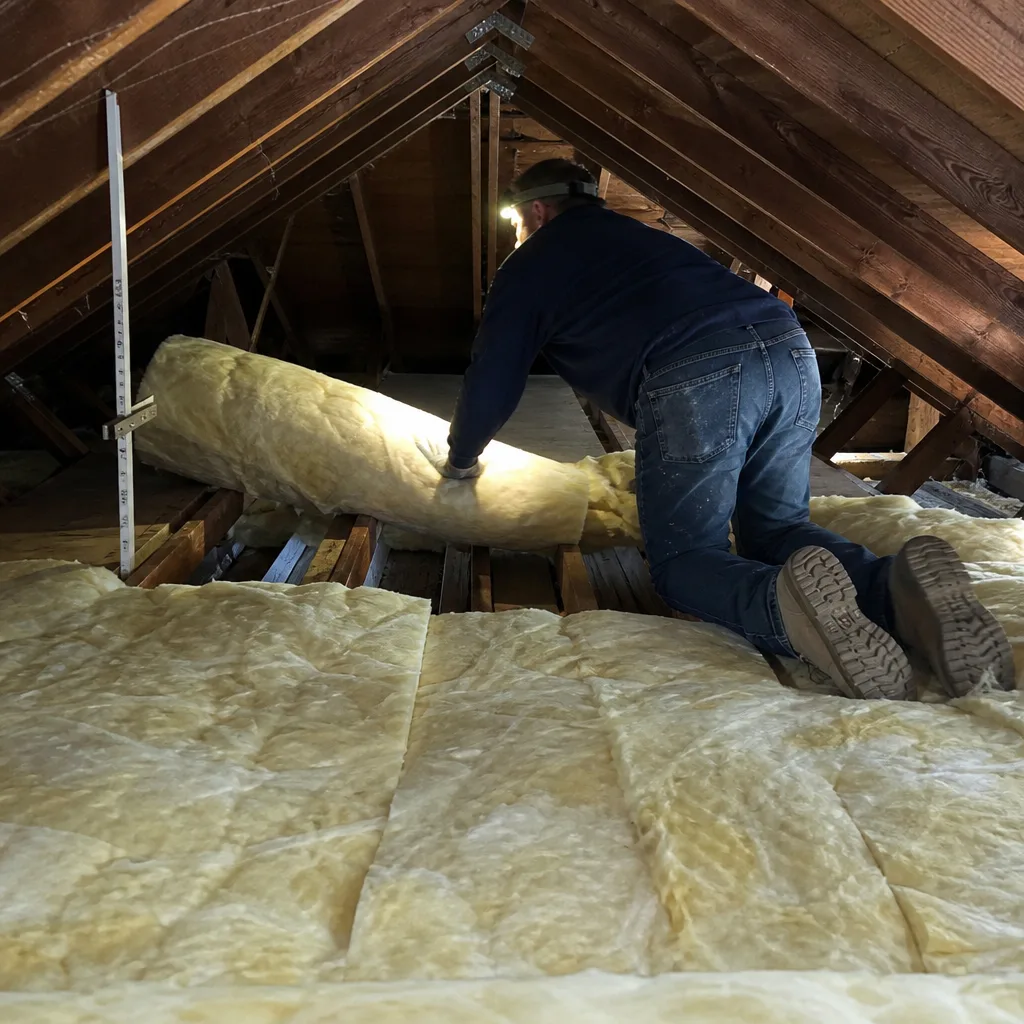
R-value degrades with compression and settling. In Morgan Hill, where Title 24 energy code applies, the current attic insulation minimum for new construction and major alterations is R-38 in climate zone 12, which covers most of Santa Clara County. Existing homes are not required to meet current code unless undergoing significant renovation, but R-value below R-30 typically produces noticeable comfort and cost penalties in our climate.
Step-by-Step Depth Measurement
- Locate the coverage chart. Every professional blown-in installation should include a stapled or glued coverage chart on a rafter or truss near the attic access. This chart shows the installed depth required to achieve a stated R-value at a specific settled density. If no chart is present, the installation may not be code-compliant or professionally done.
- Measure at three points per attic zone. Use a wooden ruler or yardstick, not a tape measure that can bend. Insert vertically through the insulation until you hit the drywall or plaster ceiling below. Record depth to the nearest half-inch.
- Average the three measurements. Single-point measurements can be misleading due to joist-top irregularities or localized settling.
- Compare to the coverage chart’s “settled depth” column. The chart will show an installed depth and an expected settled depth after 30-90 days. If your measurement is below the settled depth, the insulation has settled beyond design parameters or was under-installed.
- Calculate effective R-value. Blown-in fiberglass typically provides approximately R-2.5 per inch; blown-in cellulose approximately R-3.5 per inch. Multiply your measured depth by the appropriate factor. For batts, use the R-value printed on the facing, adjusted for compression. A batt compressed from 12 inches to 9 inches loses approximately 20% of its rated R-value.
Example: A Morgan Hill homeowner in the West Main area measures 10 inches of blown-in fiberglass in a 1998 home. The coverage chart calls for 14.5 inches installed to achieve R-38, settling to 13 inches. The measured 10 inches indicates approximately R-25 effective - below current code and likely producing comfort complaints during peak summer.
Materials matter for longevity. We’ve found that CertainTeed fiberglass batts and GreenFiber cellulose hold depth well in Morgan Hill’s dry heat when installed at proper density. Icynene open-cell spray foam doesn’t settle but can shrink slightly if applied off-ratio; visual inspection for gaps at stud edges is the equivalent check.
Seasonal Inspection Schedule: Late May and Late September
Morgan Hill’s climate creates two distinct inspection windows, each with specific priorities tied to the upcoming season’s demands.
Late May Inspection: Before Cooling Season
The attic is approaching its annual maximum temperature. This is the ideal time to identify radiant heat compression, duct tape failures, and ventilation blockages that will matter most in the coming months.
- Priority 1: Duct connections. Run the HVAC system for 15 minutes before entering the attic. Feel along flex duct connections for cooled air leakage. A hand-held anemometer ($25-$40) will detect air movement at failed tape joints.
- Priority 2: Ridge vent and soffit vent continuity. Check that insulation has not been pushed against soffit vents, blocking intake airflow. In Morgan Hill, blocked soffit vents combine with high radiant load to create attic temperatures 15-20°F above design.
- Priority 3: Radiant barrier condition. If your home has radiant barrier sheathing or foil, check for dust accumulation on the upward-facing surface. Dust degrades reflectivity; a gentle sweep with a soft broom restores performance.
- Priority 4: Compressor line penetration. The refrigerant lineset entering the attic from the outdoor condenser is a common unsealed penetration. Check for gaps around the line and the electrical whip.
Late September Inspection: Before Heating Season
The attic has cooled from summer peaks. This inspection focuses on moisture management, pest entry, and insulation integrity before winter rains and temperature swings.
- Priority 1: Roof leak evidence. Check insulation directly below roof penetrations - vent pipes, chimneys, skylight curbs - for staining or compression from past water intrusion. Morgan Hill’s winter rains are intermittent but can be intense; small leaks that dried in summer may have left detectable evidence.
- Priority 2: Pest entry points. Examine eave lines, gable vents, and roof-to-wall intersections for new gnaw marks, droppings, or disturbed insulation. Fall is active entry season as temperatures drop.
- Priority 3: Recessed light covers. Verify all IC-rated cans have intact air-sealed covers. Winter stack effect (warm air rising) makes these penetrations more significant air leakage paths than in summer.
- Priority 4: Settled depth re-measurement. If you measured in May, measure again at the same points. Significant change between seasons indicates active settling or disturbance.
Document each inspection with dated photos and written notes. This record becomes valuable documentation for energy audits, resale, or warranty claims.
Spray Foam Insulation in Morgan Hill installations require less seasonal maintenance but should still be inspected annually for shrinkage or gap formation at framing edges.
Keeping a Written Maintenance Record
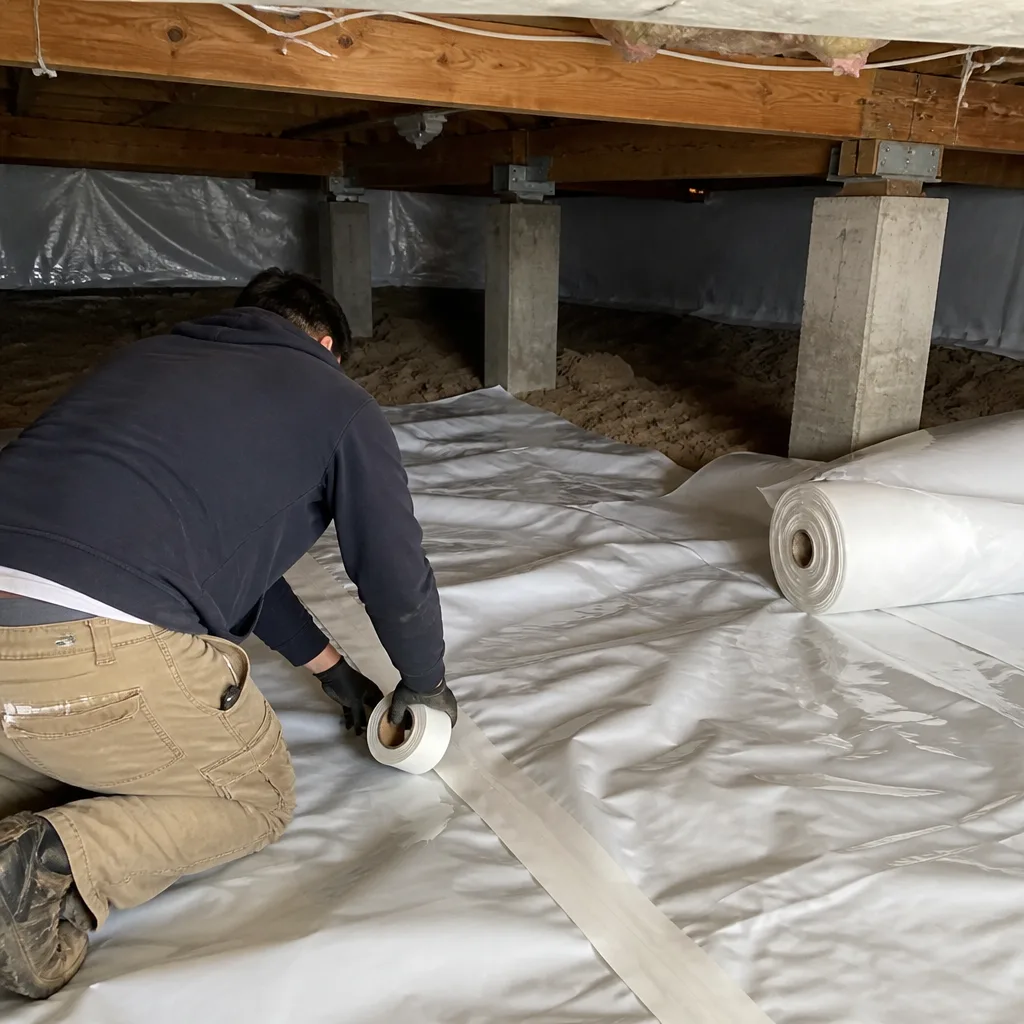
A proper maintenance record serves two purposes: it guides your next inspection, and it provides transferable documentation that increases home value and simplifies future energy audits. We’ve reviewed hundreds of Morgan Hill attics where a simple written record would have prevented years of compounding problems.
What the Record Should Contain
- Date and weather conditions. Attic conditions vary with outside temperature; noting the ambient temperature puts your observations in context.
- Insulation type, brand, and installed R-value. If known from original installation documents or previous professional work. For example: “GreenFiber cellulose, R-38 blown, installed 2019.”
- Measured depths at documented locations. Use a simple sketch or photo with measurement points marked. “Point A: 13 inches at northwest corner, 4 feet from access hatch.”
- Photo log with filenames referenced in notes. “Photo IMG_2047: compressed batt at ridge vent, south slope.”
- Duct condition assessment. Note any tape failures, disconnections, or insulation damage on flex ducts.
- Pest evidence. Describe any runs, droppings, or entry points found, with photos.
- Action items and follow-up dates. Specific repairs needed, with target completion dates.
Store the record with your home’s other permanent documents: original purchase inspection, HVAC service history, and any energy audit reports. When we perform a Crawl Space Encapsulation & Vapor Barrier in Morgan Hill, we provide a similar documented record because the building envelope performs as a system; attic and crawl space conditions interact through stack effect and pressure dynamics.
For homeowners considering sale within five years, this record is a material asset. Buyers in the 32-50 age bracket - the dominant Morgan Hill demographic - increasingly request energy performance documentation. A written attic maintenance history with photos and measured depths demonstrates proactive care that generic seller disclosures cannot match.
Common Mistakes to Avoid
- Adding insulation over unsealed air leaks. This is the most common error we correct in Morgan Hill. Blown-in cellulose over a leaky top plate simply filters the escaping air; it doesn’t stop it. Air sealing must precede insulation, every time.
- Compressing insulation to store items. The plywood deck many homeowners lay over joists for storage compresses insulation below to R-values that don’t meet code. If storage is necessary, build a raised platform on 2×4 sleepers to preserve full insulation depth underneath.
- Blocking soffit vents with insulation. In an effort to add more insulation, homeowners sometimes push material into the eave overhang, blocking intake ventilation. This creates stagnant hot zones and accelerates compression on the adjacent insulation.
- Using the wrong recessed light covers. Non-IC rated cans covered with standard insulation contact boxes overheat and create fire risk. Verify can rating before covering; when in doubt, replace with IC-rated fixtures.
- Ignoring flex duct damage. A crushed or kinked flex duct reduces airflow more than a complete disconnection; the system runs longer to compensate, accelerating wear on the compressor. Replace damaged flex rather than attempting repair.
- Measuring depth only at the access hatch. The hatch area is often disturbed by traffic and may not represent attic-wide conditions. Measure at multiple points, especially in corners and along eave lines where problems concentrate.
- Assuming new construction was done correctly. We’ve inspected Morgan Hill homes built in 2020-2023 with attic insulation deficiencies that passed rough inspection but failed to meet coverage chart specifications. Age of home is not a proxy for insulation quality.
When to Call a Professional
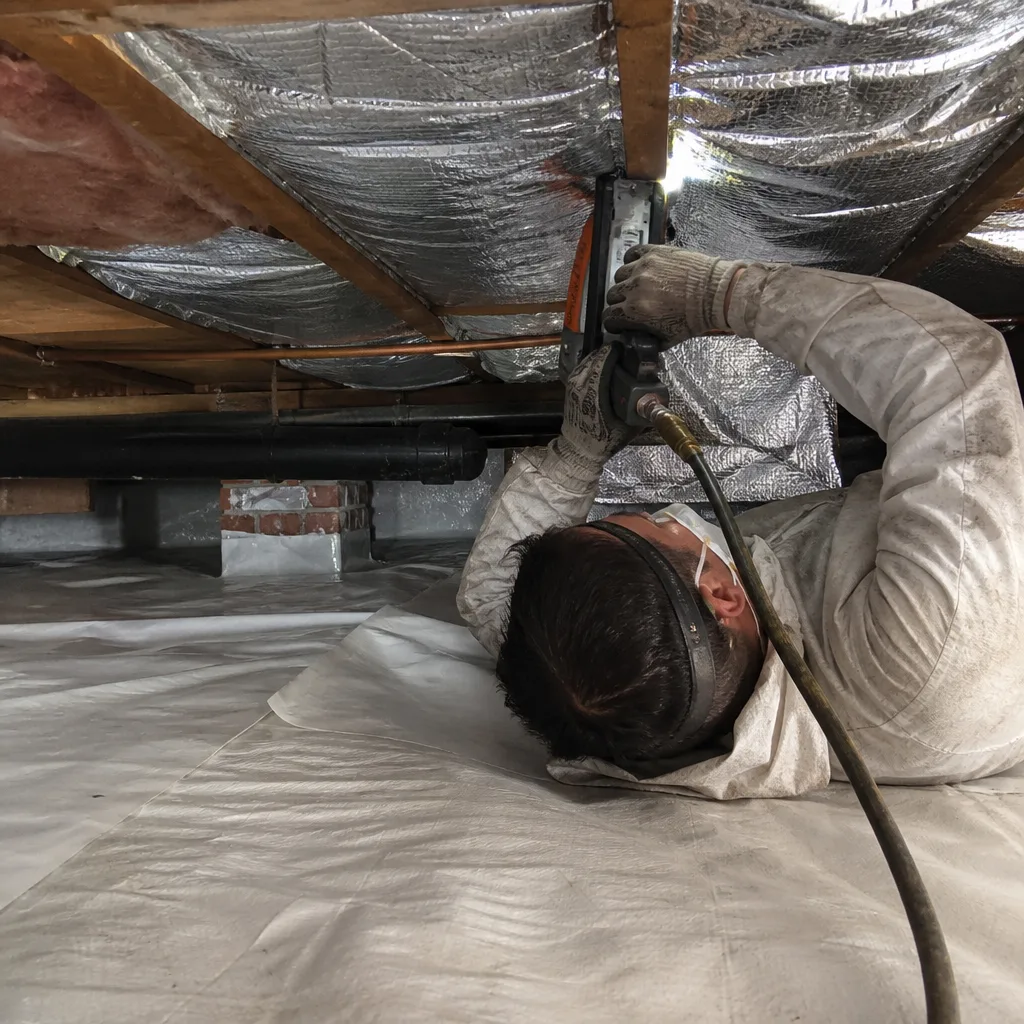
Some conditions require specialized equipment or training to address safely and effectively. Call a professional when you find: disconnected ductwork that has been dumping conditioned air long enough to show mold or moisture staining on the ceiling below; pest evidence that includes chewed electrical wiring or extensive contamination requiring removal; any recessed light fixture that shows heat damage or discoloration; or insulation depth below R-30 with comfort complaints that match the room-by-room symptom map.
Topside Attic Insulation Morgan Hill offers free estimates in Morgan Hill - call (669) 280-8103. Every assessment includes a Documented Photo Record and, for applicable jobs, before-and-after blower-door numbers so you can verify the air-sealing result in a single figure. We operate under The Haven Standard: written price before any work starts, flat scope, written warranty, no exceptions.
Frequently Asked Questions
Twice yearly: late May before cooling season and late September before heating season. Morgan Hill’s wide temperature swing between 130°F summer attic peaks and winter lows creates distinct seasonal stress patterns that a single annual inspection will miss.
Current Title 24 code for climate zone 12 requires R-38 for new construction and major alterations. Existing homes with R-30 or below typically see measurable comfort and cost improvements from upgrading. Measure your settled depth and multiply by R-2.5 per inch for fiberglass or R-3.5 per inch for cellulose to estimate your current effective R-value. Call (669) 280-8103 for a free estimate if your calculation comes in below R-30 - estimates are free and include a written scope.
Yes, if the old insulation is dry, uncontaminated, and the attic floor has been properly air sealed. Adding insulation over unsealed leaks wastes material and can trap moisture. In Morgan Hill’s dry climate, moisture is less concern than in coastal areas, but air sealing remains the prerequisite step that many contractors skip. We never blow new insulation over an unsealed attic floor; the performance penalty is too severe.
Check for continuous soffit intake vents and ridge or gable exhaust vents with no blockages. In Morgan Hill, inadequate ventilation combines with high radiant heat to produce attic temperatures 15-20°F above design, accelerating insulation compression and duct tape failure. If you see insulation pushed against soffit vents or no visible light through vented soffits, ventilation is likely compromised.
Most attic insulation jobs in a typical Morgan Hill home run between $2,800 and $6,500 depending on scope: air sealing and top-up with blown-in, full removal and replacement, or spray foam conversion. Duct repair adds $400-$1,200 per connection. We provide a written price before any work starts, always, under Haven Standard Clause 1. Call (669) 280-8103 for an exact quote - estimates are free.
Fiberglass batts that have been compressed for more than one season rarely recover full loft; the fibers have taken a set. Blown-in that has settled below coverage chart specifications can sometimes be topped up, but first verify that settling isn’t due to moisture clumping or pest disturbance. In Morgan Hill’s dry climate, abnormal settling usually indicates original under-installation rather than material failure.
Maintain a dated written record with measured insulation depths, photos of condition, and any professional work invoices with scope descriptions. Energy audit reports with blower-door numbers are particularly valuable to buyers researching thoroughly. We provide a Documented Photo Record on every job, included, not available on request, so homeowners have this documentation ready for transfer.
The Bottom Line
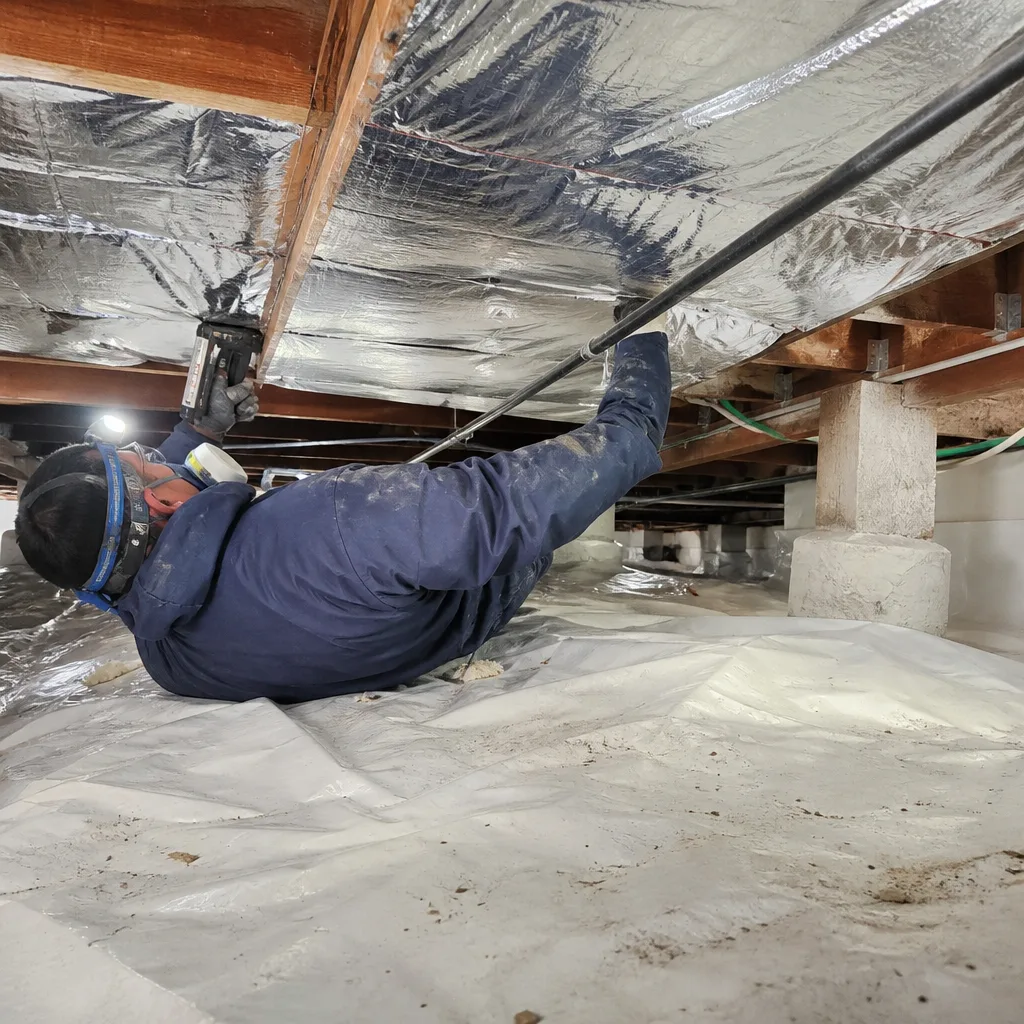
Morgan Hill attic insulation maintenance is not about following generic annual reminders. For more guides & resources tailored to our local climate, explore our blog. It’s about inspecting for the specific failure modes our climate produces: radiant heat compression, pest intrusion along the eave line, and HVAC duct disconnection. Use the room-by-room symptom map to trace comfort complaints to attic locations before entering the space. Measure settled depth against the installed coverage chart. Inspect in late May and late September, with season-specific priorities. Document everything in a written record that transfers with the home. And never add insulation over unsealed air leaks - the performance penalty is real, measurable, and avoidable.
Written by Wes Okafor, Owner at Topside Attic Insulation Morgan Hill, serving Morgan Hill since 2016.