
Last updated September 24, 2026
How to Hire a Insulation Contractor in Morgan Hill: A Step-by-Step Guide
California’s CSLB license lookup takes 90 seconds and shows whether a contractor’s bond is current - yet fewer than one in five homeowners check it before signing. That’s how unlicensed crews collecting cash deposits disappear from Morgan Hill job sites every year, leaving attics half-finished and vapor barriers hanging open. This guide walks you through the exact steps to vet, compare, and hire an insulation contractor in Morgan Hill who will deliver documented results, not just bags of material. For Insulation Warning Signs: A Morgan Hill Homeowner’s Reference Guide, see our companion post. You’ll learn the one question that separates building-science contractors from sales operations, how to read a blower-door report yourself, and what must appear in writing before anyone touches your attic.
Quick Answer
To hire a legitimate insulation contractor in Morgan Hill, verify their C-2 license at cslb.ca.gov, confirm air sealing is included in the base scope (not sold separately), and demand a written price with itemized linear feet of air sealing, product R-values, and blower-door test inclusion before signing. The right contractor treats air sealing as prerequisite work, not an upsell.
Table of Contents
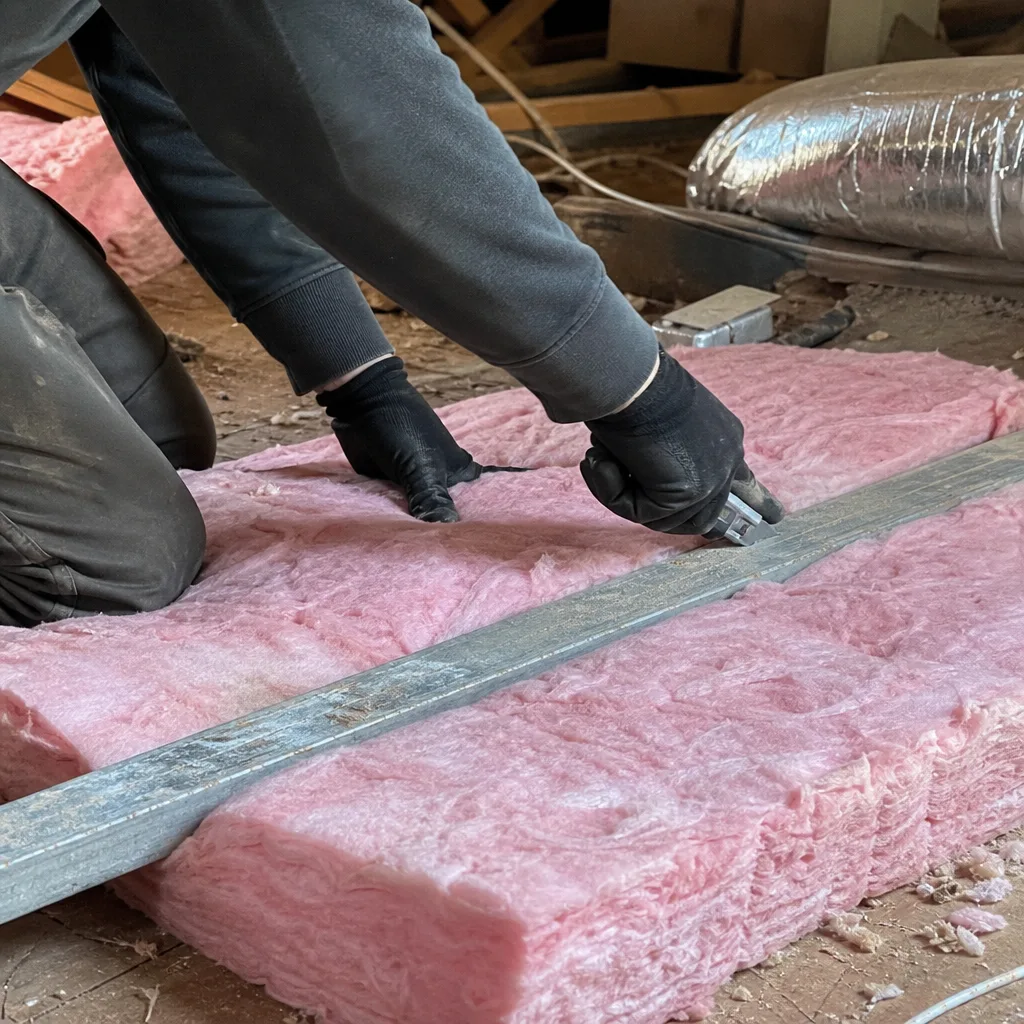
- Step 1: Verify the C-2 License (90 Seconds)
- Step 2: Ask the Air Sealing Question
- Step 3: Phone Screen with Five Diagnostic Questions
- Step 4: Demand a Written Scope Before Signing
- Step 5: How to Read a Post-Job Blower-Door Report
- South Bay Red Flags Specific to Morgan Hill
- Common Mistakes to Avoid
- When to Call a Professional
- Frequently Asked Questions
- The Bottom Line
Step 1: Verify the C-2 License (90 Seconds)
Every insulation contractor working in Morgan Hill must hold a C-2 Insulation and Acoustical Contractor license from the California State License Board. Not a B General Building license with insulation as a secondary activity. Not a handyman registration. The C-2 classification exists because insulation work involves vapor management, combustion safety, and thermal boundary placement - all of which affect whether your home meets California Title 24 energy code.
Here’s how to verify it:
- Go to cslb.ca.gov and click “Check License.”
- Enter the contractor’s business name or license number.
- On the results page, confirm three fields:
- Classification: Must read “C-2 – Insulation and Acoustical.”
- Status: Must read “Active.”
- Bond: Must show a current bond amount of $25,000 (the state minimum for this classification).
- Scroll to “Workers’ Compensation” and confirm coverage is listed as required - this protects you if a worker is injured on your property.
If the classification shows B-General Building only, that contractor can legally install insulation but cannot hold themselves out as a specialist. In our experience across Morgan Hill and the broader South Bay, homeowners who skip this step often discover too late that their “insulation contractor” subcontracts the actual work to an unlicensed crew and disappears when the job fails inspection.
Save a screenshot of the license page. A contractor operating under The Haven Standard - our operating framework at Topside Attic Insulation Morgan Hill home - will not hesitate when you mention you’ve checked. Anyone who deflects, rushes you, or suggests the license “doesn’t matter for this job” is telling you exactly who they are.
Step 2: Ask the Air Sealing Question
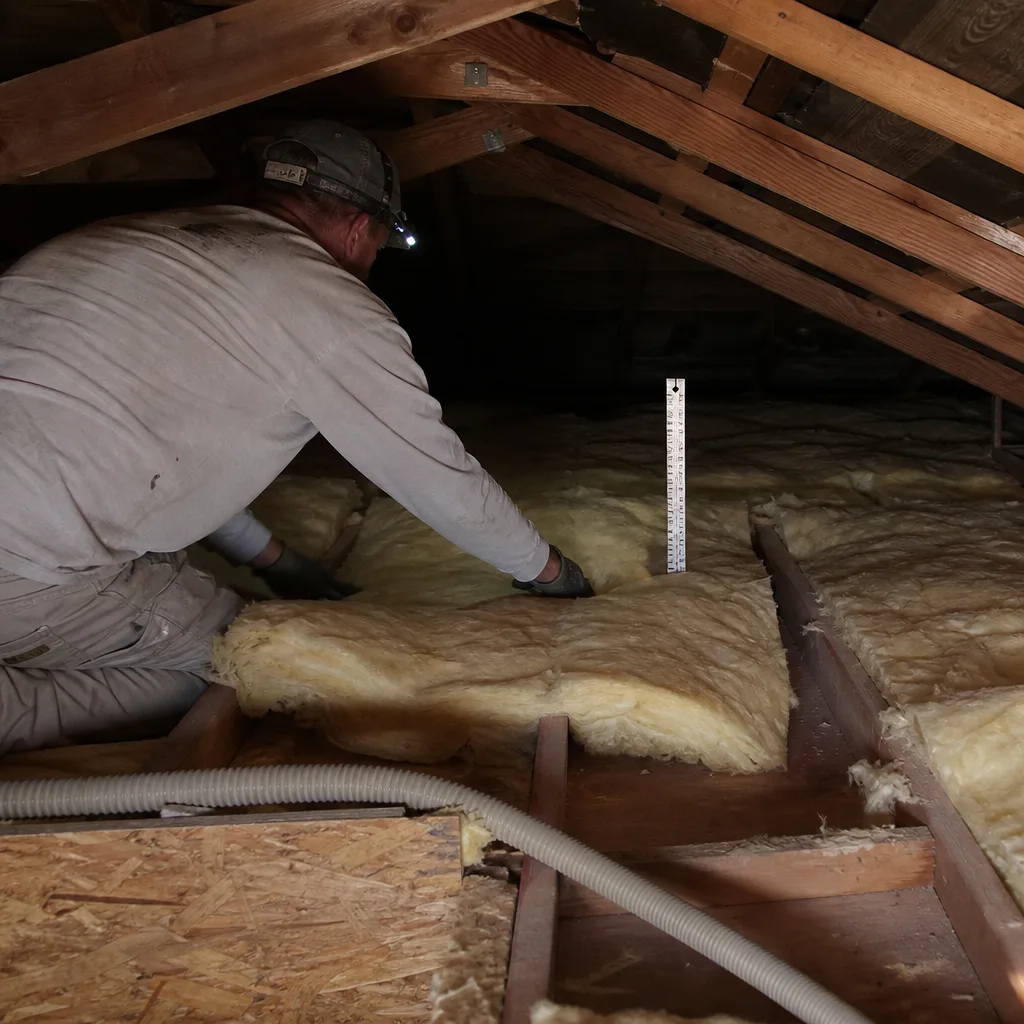
The single most important question you can ask any insulation contractor in Morgan Hill is this: “Is air sealing included in your base scope, or is it quoted as a separate line item?”
The answer reveals whether the contractor understands building science or is selling square footage of material.
Here’s why this matters in Morgan Hill specifically. Our climate zone - CZ4 in California Title 24 - experiences significant diurnal temperature swings, especially in the eastern hills toward Anderson Lake and the rural pockets off U.S. 101. An attic that hits 140°F in July afternoon sun and drops to 55°F by morning creates pressure differentials that pull conditioned air through every gap in the ceiling plane. Blowing fiberglass or cellulose over those gaps is like pouring water into a bucket with holes in the bottom. The insulation performs at a fraction of its rated R-value because convective air movement bypasses it entirely.
A building-science-literate contractor will answer something like this: “Air sealing is prerequisite work. We seal top plates, electrical penetrations, can light housings, and chimney chases before any insulation goes in. We itemize the linear feet of sealant locations in our written scope, and we verify the result with a blower-door test - a pressurization reading that shows, in one number, how much air your building envelope is losing.”
A material-sales operation will answer differently: “We can add air sealing if you want, but most people just need more insulation,” or “Our package includes a ‘premium seal’ upgrade.” This is a contractor treating your attic like a warehouse floor - coverage area, not performance.
At Attic Insulation in Morgan Hill, we’ve seen the aftermath of this mistake across neighborhoods from Madrone to Paradise Valley. Homeowners who paid for R-38 blown cellulose still have rooms that won’t hold temperature because the contractor never addressed the 300 linear feet of unsealed top plates or the dozen recessed can lights acting as chimneys. The insulation was installed correctly by material standards and failed completely by performance standards.
The correct sequence is always: seal first, then insulate. Any contractor who reverses that order or treats sealing as optional is not performing building-envelope work. They’re performing material installation.
Step 3: Phone Screen with Five Diagnostic Questions
After verifying the C-2 license and asking the air sealing question, use these five questions during your phone quote to separate contractors who measure performance from contractors who measure square footage. We’ve included what a correct answer sounds like and what a warning sign sounds like.
Question 1: “How do you handle existing insulation?”
Correct answer: “We assess condition, depth, and density during our initial inspection. If it’s compressed, contaminated, or improperly installed, we remove it before air sealing so we can see the ceiling plane. We itemize removal in our written scope if needed.”
Warning sign: “We just blow new insulation right over what’s there. More is better.”
Existing insulation in Morgan Hill homes often contains rodent activity, especially in older ranch-style properties near the foothills where roof rat pressure is higher. Blowing new material over contaminated old material traps moisture and odor. A contractor who doesn’t inspect what they’re covering is a contractor who doesn’t intend to stand behind the result.
Question 2: “What R-value do you recommend for my attic, and how do you determine it?”
Correct answer: “California Title 24 requires R-38 minimum for attics in this climate zone, but we calculate based on your actual assembly - roof pitch, existing depth, and whether the HVAC ducts run in the attic. If ducts are in the attic, we may recommend R-49 or conditioned attic conversion.”
Warning sign: “R-38 is the code, so that’s what everyone gets,” or immediate quoting without asking about duct location.
Morgan Hill has a split housing stock: 1970s-1990s ranch homes with ducts in vented attics, and 2000s+ two-story homes with tighter envelopes and ducts in conditioned space. The correct R-value and the correct approach differ significantly between these types. A contractor who quotes R-38 without asking which type you have is reading from a script, not analyzing your building.
Question 3: “Do you perform blower-door testing, and do I get the numbers?”
Correct answer: “Yes. We test before air sealing to establish a baseline, test after sealing to verify improvement, and you receive both numbers in writing. Typical pre-sealing readings in this area run 3,500-5,500 CFM50 for homes built 1980-2005; we target 50% reduction or better.”
Warning sign: “We don’t need a blower door. You can feel the difference,” or “That’s only for new construction.”
The blower-door test - a pressurization reading that shows, in one number, how much air your building envelope is losing - is the only objective verification that air sealing worked. Without it, you’re trusting a contractor’s subjective claim. At Topside Attic Insulation Morgan Hill, we publish before-and-after blower-door numbers on every applicable job because the number is the proof. A homeowner in the Crest neighborhood can compare their 4,200 CFM50 pre-test to their 2,100 CFM50 post-test and know exactly what they paid for.
Question 4: “What products do you use, and why?”
Correct answer: “We specify by application, not by brand loyalty. For vented attics with good access, we typically use Owens Corning or Johns Manville blown fiberglass for its settled density and fire resistance. For irregular cavities or dense-pack applications, we may use GreenFiber cellulose for its ability to conform to framing. For conditioned attics or rim joists, we use Demilec open-cell spray foam. We explain the choice in your written scope.”
Warning sign: Single-brand insistence, proprietary product claims, or inability to explain why a specific product fits your assembly.
No manufacturer makes the best product for every application. A contractor who specifies one brand for every job is optimizing for distributor rebates, not your performance.
Question 5: “What documentation do I receive when the job is complete?”
Correct answer: “You receive a written scope completion checklist, before-and-after photos of sealed locations, blower-door test results if applicable, and a written warranty. Under our operating standard, you get this documentation before final payment is due.”
Warning sign: “We’ll email you something,” or “The invoice is your receipt.”
Documentation is what separates a professional installation from a cash transaction. The Haven Standard - our framework since 2016 - requires written price before work starts and documented record when the crew leaves. You should know what leaving looks like before anyone arrives.
Step 4: Demand a Written Scope Before Signing
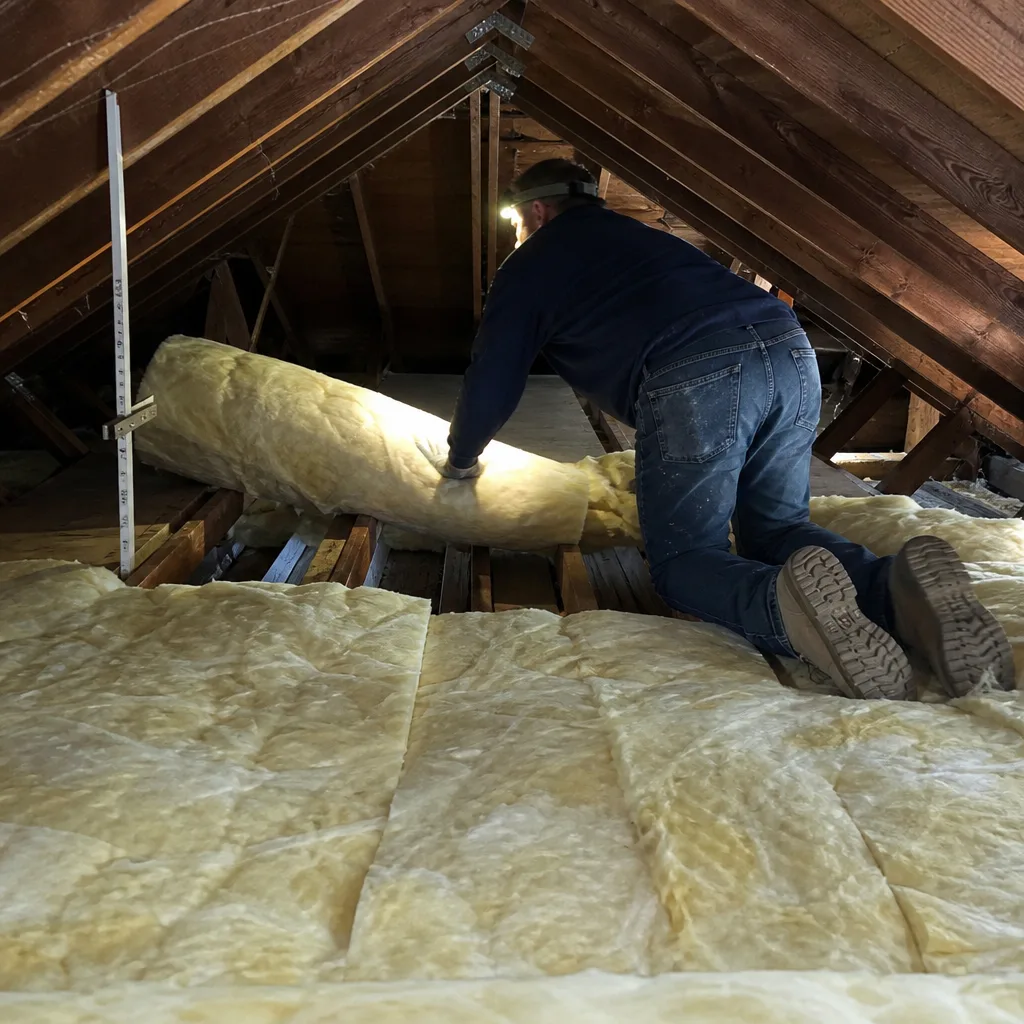
Under California Business and Professions Code Section 7159, any home improvement contract over $500 must be in writing. But the legal minimum and a useful scope are different things. For a Insulation Cost Breakdown: The Morgan Hill Homeowner’s Reference for 2026, see our detailed pricing guide. Here’s what a written scope of work for insulation in Morgan Hill must contain before you sign:
Required Elements
- Linear feet of air sealing locations, itemized. Not “attic air sealing - included.” Specific: “Seal 287 linear feet of top plates, 14 electrical penetrations, 6 can light housings, 1 chimney chase, 2 plumbing vent stacks.”
- Product name and R-value per assembly. Not “blown insulation to R-38.” Specific: “Owens Corning AttiCat PINK Fiberglas Blown-In Insulation, installed to R-38 at settled depth of 12 inches per manufacturer specification.”
- Blower-door test inclusion or explicit exclusion with reason. If excluded, the scope must state why: “Blower-door test not performed - conditioned attic conversion with no vented attic space.” If included, specify timing: “Pre-sealing baseline and post-sealing verification.”
- Existing insulation removal, if applicable. Condition triggering removal, disposal method, and cost.
- Start date, estimated completion, and crew size.
- Payment schedule tied to documented milestones. Never more than 10% or $1,000 deposit (whichever is less) before work begins - this is California law for contracts with CSLB licensees.
- Warranty terms in writing. Duration, coverage scope, and claim process.
A contractor who delivers this level of detail before work starts is demonstrating accountability. A contractor who resists, offers “a simpler contract,” or asks for payment before documentation is a risk.
At Topside Attic Insulation Morgan Hill, every job begins with a written price - no work starts without it - and closes with a Documented Photo Record. This isn’t a courtesy; it’s Haven Standard Clause 1. The written scope is your reference if the installation doesn’t match what was promised, and the photo record is your evidence if you need to invoke the 365-Day Done Right Promise.
Step 5: How to Read a Post-Job Blower-Door Report
The blower-door test is the single most powerful tool for verifying that air sealing worked. Yet most homeowners never see the numbers, and those who do often don’t know what they mean. Here’s how to read the report yourself.
What the Number Means
The standard metric is CFM50 - cubic feet per minute of airflow at 50 Pascals of pressure. This simulates a 20 mph wind hitting all sides of your house simultaneously. The number represents how much conditioned air escapes through gaps in the building envelope.
Context for Morgan Hill homes:
- Pre-1980 homes, unsealed: 5,000-8,000 CFM50 common
- 1980-2005 homes, unsealed: 3,500-5,500 CFM50 common
- 2005+ homes, basic sealing: 2,500-4,000 CFM50 common
- Target after professional air sealing: 50% reduction from baseline, or achievement of 1,500-2,500 CFM50 for homes under 3,000 square feet
What Should Appear on Your Report
- Pre-sealing CFM50 with test date, time, and outdoor temperature
- Post-sealing CFM50 with same conditions noted
- Percentage reduction calculated
- ACH50 (air changes per hour at 50 Pascals) - useful for comparing to energy code targets
- Technician name and equipment calibration date
Red Flags in the Report
- Only one number provided - no baseline for comparison
- Post-test conducted in dramatically different weather conditions (temperature affects air density and test results)
- No technician name or equipment information - unverifiable
- Percentage reduction claimed but not calculated from shown numbers
Here’s what legitimate documentation looks like in practice: “Blower-door test conducted January 15, 2024, 10:30 AM, outdoor temp 52°F. Pre-sealing: 4,200 CFM50. Post-sealing: 2,100 CFM50. Reduction: 50%. Technician: [Name], Retrotec Q56, calibrated 12/2023.”
You don’t need to become an energy auditor. You need to verify that the contractor’s claim of improvement is documented with specific numbers you can reference. At Crawl Space Encapsulation & Vapor Barrier in Morgan Hill, we apply the same documentation standard to below-grade work - pressure differential testing across the crawl space envelope, not just vapor barrier square footage.
South Bay Red Flags Specific to Morgan Hill
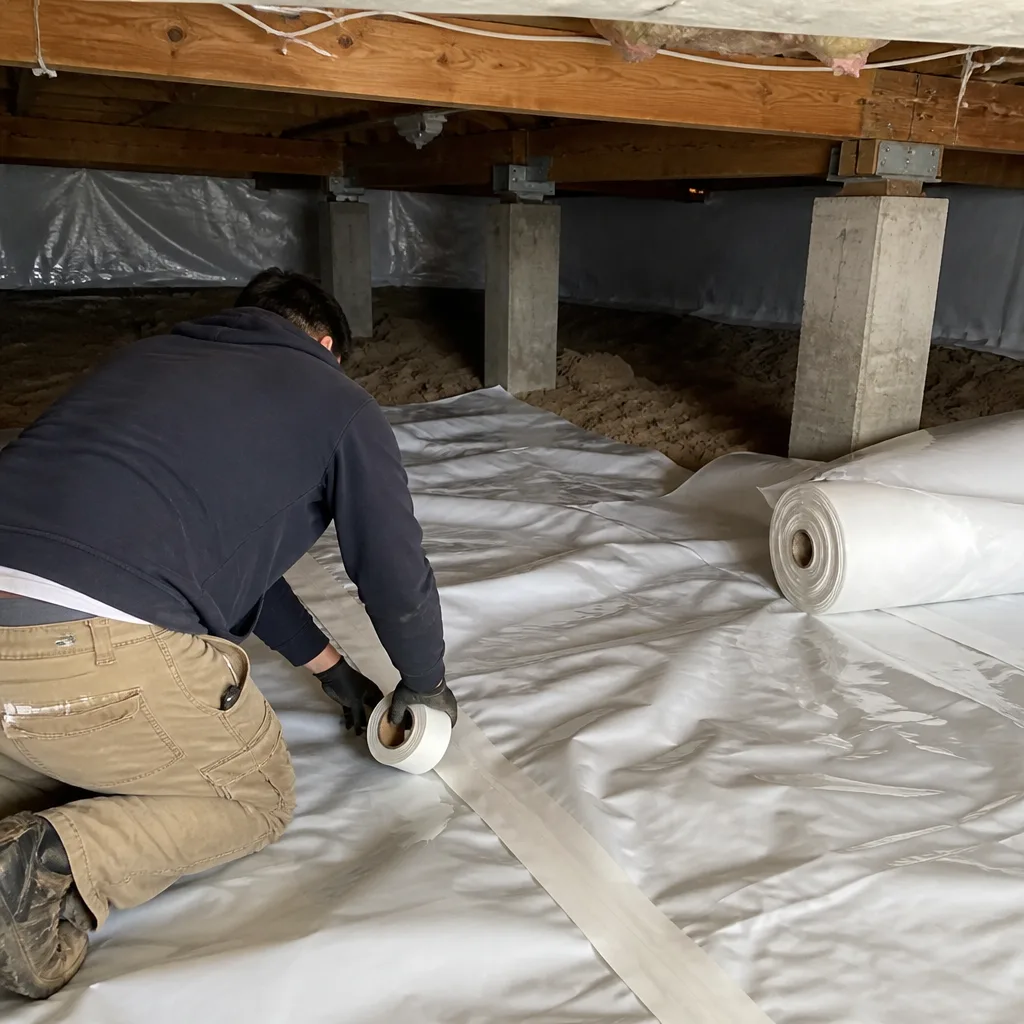
The Morgan Hill and greater South Bay insulation market has characteristics that create specific risks for homeowners. Watch for these patterns:
Verbal Quotes Only
A contractor who won’t put price and scope in writing before work starts is operating outside California law for jobs over $500 and outside any professional standard. The “verbal quote, then surprise charges” pattern is particularly common with crews working out of San Jose and canvassing Morgan Hill neighborhoods door-to-door. Under Haven Standard Clause 1, a flat price, written scope, and written warranty precede every job. No exceptions.
No Assessment of Existing Insulation
Morgan Hill’s housing stock includes significant 1970s-1990s construction with original insulation that has settled, been disturbed by prior work, or been compromised by rodent activity. A contractor who quotes addition-only without inspecting what’s there is planning to bury problems, not solve them. We’ve removed insulation in the Sycamore area that contained decades of layered contamination - previous contractors had simply blown new material over it, compounding the problem.
Duct Sealing Bundled as “Bonus”
In homes with ducts in vented attics - common in Morgan Hill’s older ranch developments - duct leakage can exceed 20% of conditioned airflow. A contractor who mentions “we’ll seal some ducts while we’re up there” without measuring leakage with a duct blaster is offering theater, not performance. Proper duct sealing is a scoped, measured, verified procedure. When bundled as a freebie, it’s typically a smear of mastic on visible joints while the disconnected boots and crushed flex remain unaddressed.
Pressure to Decide Immediately
California’s cooling-off period gives homeowners three business days to cancel any home improvement contract over $25 signed in their home. A contractor who demands immediate signature, offers “today only” pricing, or suggests the price increases if you call back tomorrow is violating both the spirit of this protection and basic professional ethics. We offer free second opinions on any written estimate - bring us a competing quote and we’ll read it with you, no pressure to switch.
No Local Permitting Discussion
Morgan Hill requires permits for insulation work that involves removal of existing materials, changes to thermal envelope configuration, or spray foam application. A contractor who says “permits aren’t needed for insulation” is either uninformed or planning to work without them. Unpermitted work becomes your disclosure obligation at sale and may void manufacturer warranties.
Common Mistakes to Avoid
- Comparing quotes by total price only. A $3,200 quote that includes air sealing, removal, R-38 blown fiberglass, and blower-door verification is not comparable to a $2,400 quote for insulation addition only. Itemize before comparing.
- Assuming all R-38 is equal. R-value measures thermal resistance at steady state. It does not account for air movement through the insulation, which can reduce effective performance by 30-50%. Air sealing determines actual performance; R-value determines theoretical performance.
- Ignoring the crawl space. In Morgan Hill’s hillside homes, particularly in areas like Jackson Oaks and the eastern foothills, crawl space conditions dramatically affect whole-house comfort and moisture load. A contractor who addresses the attic in isolation is treating a symptom, not the system.
- Skipping the CSLB check because “they seemed professional.” Professional appearance and legitimate operation are not the same. The license lookup is objective, free, and takes less time than reading three reviews.
- Accepting “we’ll handle permits” without verification. Ask for the permit application number and verify it with Morgan Hill Building Division. A contractor who pulls permits properly has nothing to hide.
- Paying more than 10% deposit without milestone documentation. California caps this for a reason. Contractors who demand substantial upfront payment often lack the cash flow to complete jobs or are structuring payment to disappear before final inspection.
- Not asking about warranty claim process. A “lifetime warranty” with no written claim procedure, no response time commitment, and no designated contact is marketing language, not a promise. Under the 365-Day Done Right Promise, if it’s not done right, we make it right - and the process is in writing before work starts.
When to Call a Professional
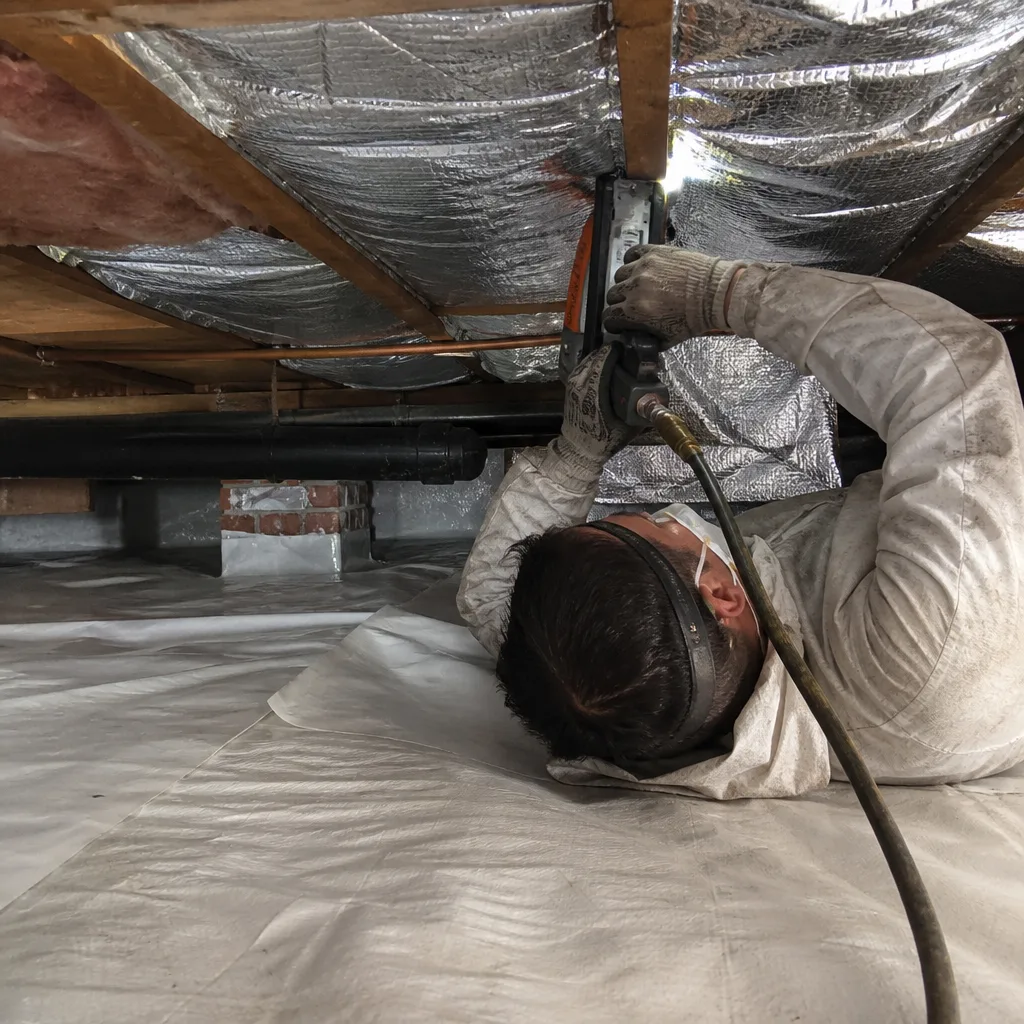
Call a professional insulation contractor when you notice rooms that won’t hold temperature despite HVAC operation, energy bills trending upward without rate changes, visible insulation disturbance or settling in the attic, moisture staining on ceiling drywall, or rodent activity in attic or crawl space. These symptoms indicate envelope failure that DIY addition cannot address - the gaps must be located, sealed, and verified.
In Morgan Hill’s climate, with summer attic temperatures regularly exceeding 130°F and winter overnight lows in the 30s, an unsealed attic is a year-round energy drain. The cost of professional air sealing and insulation typically pays back in 4-7 years through reduced HVAC runtime, extended equipment life, and improved comfort. Spray Foam Insulation in Morgan Hill offers particular advantage for conditioned attic conversions or irregular framing where conventional batts cannot achieve full contact.
Topside Attic Insulation Morgan Hill offers free estimates in Morgan Hill - call (669) 280-8103. For more guides & resources, visit our blog. Every estimate includes inspection of existing conditions, photo documentation of what we find, and a written price before any work starts. If you have a competing quote, we’ll provide a free second opinion and read it with you line by line.
Frequently Asked Questions
Most complete attic jobs in Morgan Hill - including removal of existing material, air sealing, and new blown fiberglass to R-38 - run between $3,800 and $6,500 for homes between 1,500 and 2,500 square feet. Spray foam applications for conditioned attics or rim joists typically range from $5,500 to $9,000 depending on open-cell versus closed-cell specification and access difficulty. Call (669) 280-8103 for an exact quote - estimates are free and include written scope.
A typical attic insulation project in Morgan Hill takes one to two days: Day one for removal (if needed), air sealing, and blower-door baseline; day two for insulation installation and post-test verification. Complex jobs involving conditioned attic conversion or extensive rodent remediation may extend to three days. We provide start and completion dates in writing before work begins.
No. For blown fiberglass or cellulose, we ask homeowners to vacate the immediate work area but remain in the home. For spray foam applications, we require vacating for 24 hours after installation completion to allow full cure and ventilation per manufacturer safety data. We notify neighbors in attached housing developments, particularly in denser Morgan Hill neighborhoods like downtown infill and Madrone, to prevent concern about equipment noise or ventilation.
California Title 24 requires R-38 minimum for vented attics in Climate Zone 4, which includes Morgan Hill. However, this is a code minimum, not a performance optimum. Homes with ducts in vented attics, common in 1970s-1990s construction throughout the city, often benefit from R-49 or conditioned attic conversion to eliminate the duct thermal penalty entirely. We calculate recommendation based on your specific assembly, not code minimum alone.
Only if the existing insulation is dry, uncompressed, uncontaminated, and properly installed. In our inspection experience across Morgan Hill, fewer than 30% of existing attic installations meet all four criteria. Rodent activity, prior contractor disturbance, moisture staining, or improper original installation (reversed vapor barriers, blocked soffit vents) all require removal before new material is added. We assess this during our free estimate and document findings with photos.
The blower-door test provides objective verification. You should receive pre- and post-sealing CFM50 numbers in writing, with calculated percentage reduction. Subjective indicators - reduced dust, more even temperatures, less HVAC cycling - support the numbers but do not replace them. A legitimate contractor provides the data; you interpret the comfort improvement. If a contractor cannot or will not provide blower-door documentation, the air sealing claim is unverified.
The Bottom Line
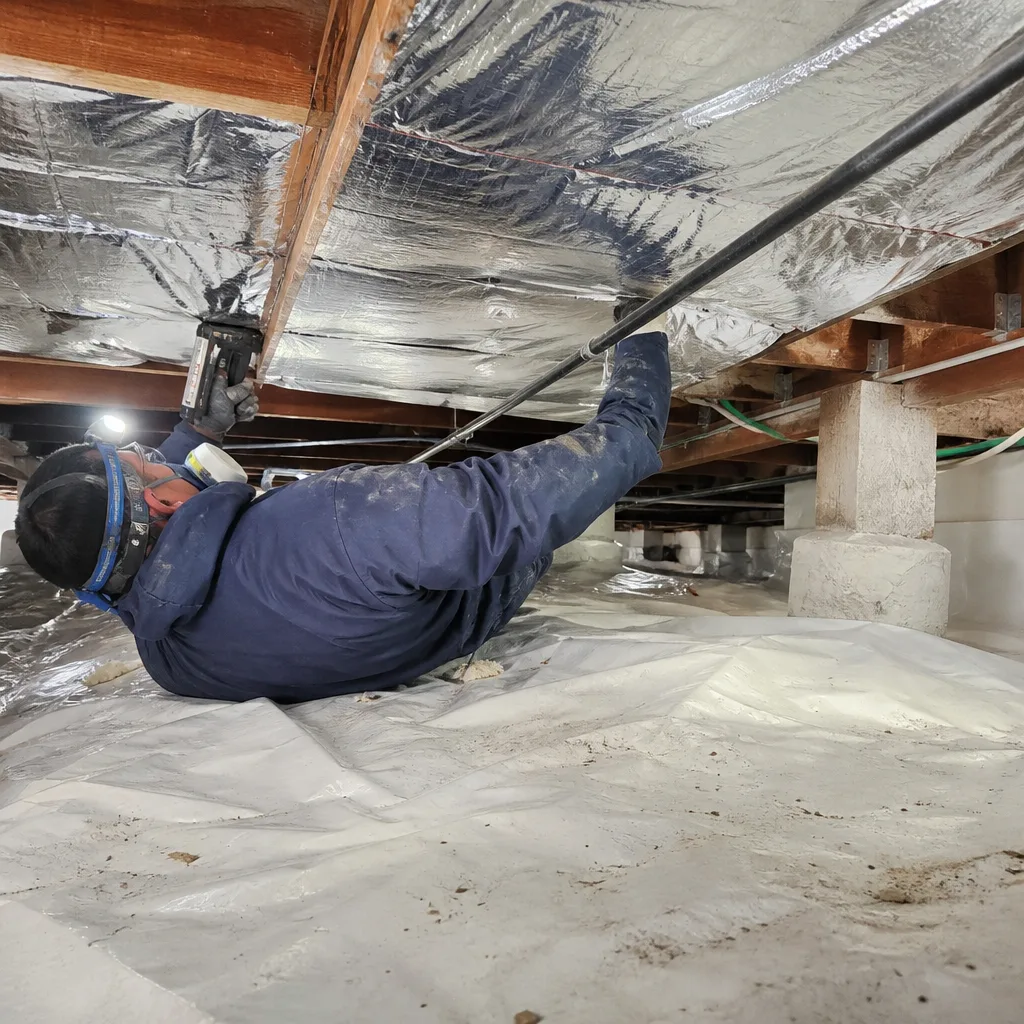
Hiring an insulation contractor in Morgan Hill comes down to three verifiable actions: check the C-2 license at cslb.ca.gov, confirm air sealing is prerequisite work in the base scope, and receive a written price with itemized linear feet, product specification, and blower-door test inclusion before anyone signs or pays. The contractors who resist these steps are telling you how they operate. The contractors who deliver them - with documentation you can hold in your hand - are showing you.
We’ve sealed and insulated over 9,000 homes since 2016. Every one began with a written price and ended with a documented record. The Haven Standard isn’t a marketing phrase; it’s the operating framework that determines what you receive, when you receive it, and how you verify it. In a market where anyone with a blower can call themselves an insulation contractor, the difference between material installation and building-envelope performance is the difference between spending money and investing in measured results.
Written by Wes Okafor, Owner at Topside Attic Insulation Morgan Hill, serving Morgan Hill since 2016.