
Last updated September 24, 2026
Seasonal Insulation Care for Morgan Hill: Year-Round Homeowner’s Guide
The June marine layer that rolls through Morgan Hill’s western corridor raises attic humidity enough to reactivate mold spores in any cellulose that was installed wet or has absorbed moisture over time. Because exterior temperatures feel mild, most homeowners skip the one inspection that would catch it. In this guide and our complete guide to insulation in Morgan Hill, you’ll learn why Morgan Hill’s climate breaks into four distinct stress windows, not two, and what to inspect in each one. You’ll also get a year-end record-keeping template so your home builds a performance log instead of a maintenance gap. We’ve sealed and insulated over 9,000 homes since 2016, and the pattern we see in Morgan Hill is consistent: the homes that stay comfortable year-round are the ones where someone checks the envelope before the season turns.
Quick Answer
Seasonal insulation care in Morgan Hill means four inspection windows aligned to local climate stressors: a June-July marine layer check for moisture in cellulose, an August-September radiant heat inspection for bypass air leaks, an October-November pre-winter air sealing review, and a December-February cold-snap assessment for thermal bridging at partition walls. Each inspection takes 30-60 minutes and targets the specific failure mode that season produces. Document what you find each time - our Attic Insulation Maintenance Checklist for Morgan Hill Homeowners can help - and you’ll catch envelope problems before they compound into comfort complaints or energy spikes.
Table of Contents
- The Marine Layer Window: June-July Moisture Inspection
- The Radiant Heat Window: August-September Bypass Check
- The Pre-Winter Window: October-November Air Sealing Review
- The Cold-Snap Window: December-February Thermal Bridging Assessment
- Hecker Pass and the 101 Divide: Why West-Side Homes Differ
- Year-End Record-Keeping Template
- Common Mistakes to Avoid
- When to Call a Professional
- Frequently Asked Questions
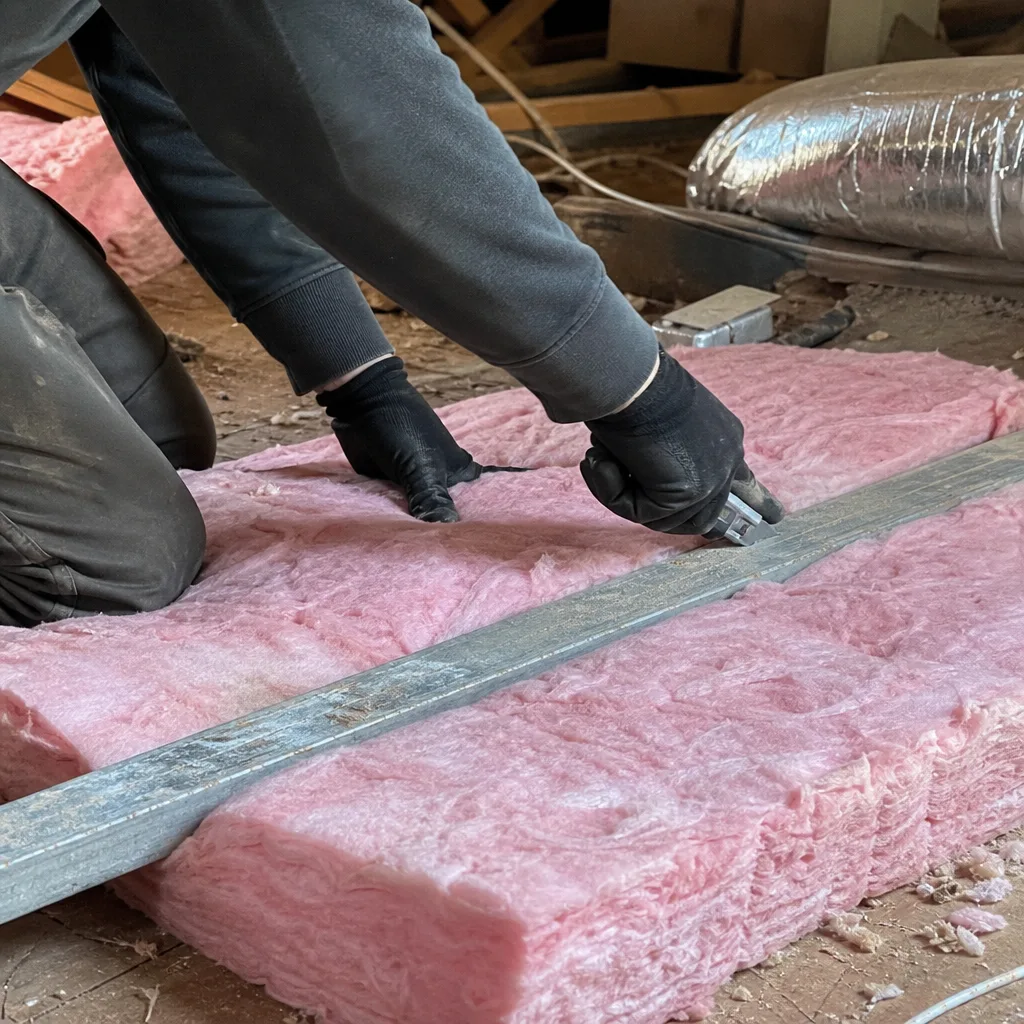
The Marine Layer Window: June-July Moisture Inspection
Morgan Hill’s marine layer isn’t a coastal phenomenon that stops at Gilroy. Cool, saturated air pushes through the Hecker Pass corridor west of downtown, and by mid-morning it can leave attic sheathing damp even when the thermostat reads 72°F outside. Homeowners feel comfortable, so they don’t think to look up. That’s the gap.
Here’s what happens: cellulose insulation, especially recycled-content products like GreenFiber, is hygroscopic - it absorbs and releases moisture with the air around it. Properly installed and dry, this is fine. But if a batch went in with elevated moisture content, or if roof leaks, plumbing vents, or bathroom fans have introduced vapor over the years, June and July provide the humidity reactivation window. Mold spores that have been dormant since the last wet season wake up. By August, you smell it. By September, you’re replacing insulation.
We find this most often in homes west of US-101, in neighborhoods like Paradise Valley and the western edges of Madrone. The marine layer lingers longer there. East of 101, in areas like Jackson Oaks and the eastern Foothill corridor, the layer burns off faster. Both zones need inspection, but the west-side check is more urgent.
What to inspect in June-July:
- Attic sheathing color: Look for darkening or gray patches on the underside of roof decking, especially within 3 feet of valleys and penetrations. Normal sheathing is pale yellow-tan. Anything darker suggests moisture absorption.
- Insulation clumping: Dry blown-in cellulose or fiberglass - we use Owens Corning and Johns Manville products in Morgan Hill - should separate easily when disturbed. If it forms rigid clumps that break apart with effort, it’s holding moisture.
- Fixture condensation: Check can lights, bathroom fan housings, and any HVAC boots for rust staining or drip marks. These are vapor highways.
- Odor check: On a still morning, stand in the attic access and breathe deeply. Musty, earthy, or sharp odors indicate biological activity.
If you find moisture, the response is not to add more insulation. It’s to find the source, fix it, and let the assembly dry before any new material goes in. At Envelope Insulation Co., we won’t blow insulation over damp sheathing - Haven Standard Clause 1 requires a written scope, and that scope starts with dry substrates. We’ve walked away from jobs in Morgan Hill where the homeowner wanted insulation added quickly before a sale. The written price says what we’ll do; it also says what we won’t.
Document what you find: date, weather conditions that morning, sheathing color by zone, insulation condition, any odor. This becomes your baseline for next June.
The Radiant Heat Window: August-September Bypass Check
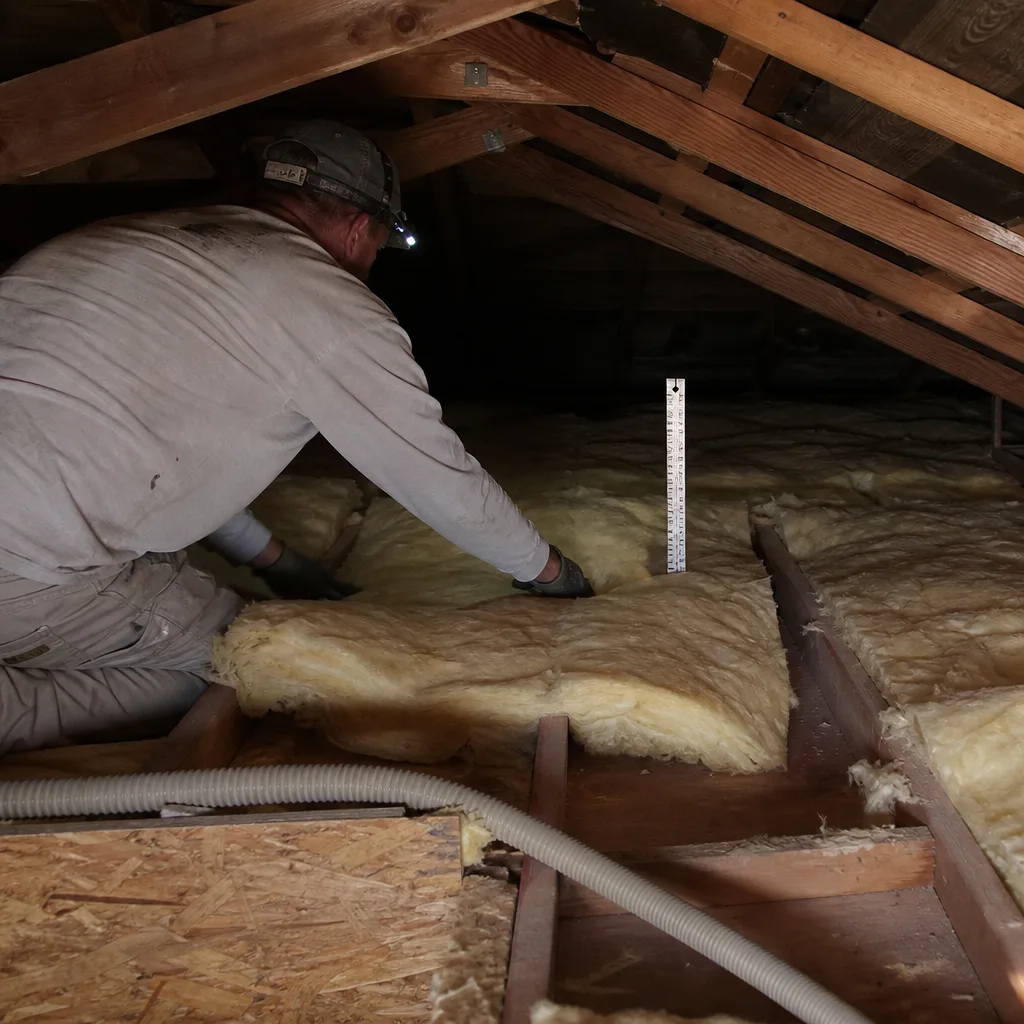
August in Morgan Hill is not just hot - it’s radiantly hot. Roof surface temperatures on south-facing pitches can exceed 160°F. The attic becomes a solar oven. And if your insulation has air bypasses - pathways where conditioned air leaks into the attic space - the pressure differential pulls that superheated air down into your living space through every crack it can find.
This is the season when homeowners call us saying their AC runs constantly from 2 PM to 8 PM. The thermostat is set to 74°F, but the hallway near the attic access reads 82°F. The insulation R-value hasn’t changed. What’s changed is the stack effect: hot air rising, creating negative pressure in the lower house, sucking attic heat through bypasses.
The physical indicators are specific, and you can spot many without equipment:
- Drywall discoloration at bypasses: Look for yellow-brown staining on ceiling drywall near interior partition walls, especially where walls meet the ceiling. This is filtered air - the insulation acts as a filter, leaving a stain where air has passed through for years.
- Recessed light staining: The trim ring of can lights may show brown or gray haloing. This is not just dust; it’s the particulate load of conditioned air that has escaped around the housing.
- Thermal imaging signatures: If you hire a home energy auditor - we offer this as a standalone service in Morgan Hill - request thermal images of the attic floor during peak afternoon heat. Bypasses show as linear hot spots following wall top plates. A properly sealed attic floor looks uniform; a leaky one looks like a road map.
We’ve measured blower-door results in Morgan Hill homes that tell the story precisely. One home in the Butterfield Ranch area read 4,200 CFM50 before sealing and 2,100 after - a 50% reduction in envelope leakage, all from top plates, can lights, and wire penetrations. The homeowner’s August cooling load dropped measurably. We publish these numbers on every applicable job because the homeowner paid for performance, not a feeling.
The August-September inspection targets the bypasses that matter most in heat season:
- Top plates of interior walls - the horizontal framing member where wall studs meet the ceiling. These are rarely sealed in production-built homes, and they leak continuously.
- Recessed light housings - especially older non-IC fixtures, which cannot be covered with insulation and must be boxed or replaced.
- HVAC platform penetrations - where flex duct passes through the attic floor, the cutout is almost always oversized and unsealed.
- Chimney chases and plumbing vent stacks - large holes in the attic floor that create major thermal bypasses.
If you’re not comfortable working in an attic at 130°F, don’t. This is the season to call for a professional inspection. The Attic Insulation in Morgan Hill page details what our envelope assessment includes.
The Pre-Winter Window: October-November Air Sealing Review
Morgan Hill’s winter is not Midwestern, but it is specific. From December through February, overnight lows can swing 35°F below daytime highs. A 65°F afternoon followed by a 30°F night is common. That temperature delta drives expansion and contraction in building materials, and it amplifies every air leak in the envelope.
The pre-winter check is the most important seasonal inspection because it happens before the stress arrives. You’re looking for gaps that were tolerable in summer but will become heat-loss highways in winter. The attic hatch is the single most overlooked leak in Morgan Hill homes.
Attic hatch inspection:
- Close the hatch on a sunny day and look for daylight around the perimeter. Any visible gap is a measurable leak.
- Check the weatherstripping - if it’s compressed flat or crumbling, replace it with closed-cell foam tape rated for the temperature swing.
- Verify the hatch sits flat. Warped plywood or drywall hatches create corner gaps that leak continuously.
- If the hatch is uninsulated, add a rigid foam cap on the attic side - but only after sealing the frame to the ceiling drywall.
Top plates are the next priority. In our experience inspecting Topside Attic Insulation Morgan Hill home properties, production builders in the 1990s and 2000s rarely sealed top plates in Morgan Hill subdivisions. The drywall installer cuts ceiling panels to fit, and the gap between panel and top plate is often 1/4 to 1/2 inch - a continuous slot around every interior wall. In winter, warm moist air rises through these gaps, hits cold attic sheathing, and condenses. We’ve removed insulation in January that was wet to the touch from this mechanism alone.
What to look for from the attic:
- Locate interior partition walls by finding the drywall seams on the attic floor. The framing below is the top plate.
- Check for gaps between drywall and framing - use a flashlight at a low angle to highlight shadows.
- Look for darkened insulation directly above top plates - this indicates years of air filtration.
- Note any plumbing or wiring penetrations through top plates - these are often unsealed and create secondary leaks.
The intersection of interior partition walls with the attic floor deserves special attention. In two-story homes common in the Jackson Oaks and Coyote Creek areas, these walls often extend from the first floor through the second-floor ceiling into the attic. The resulting chase is a thermal superhighway. Sealing requires access to the attic side of the wall top, which may mean moving insulation to expose the framing. This is detailed work, and it’s where professional air sealing pays for itself.
We complete this work under our written scope - Haven Standard Clause 1 - with before-and-after blower-door numbers so the homeowner sees the result. A typical Morgan Hill home in the 1,800-2,400 square foot range shows pre-sealing readings of 3,500-5,000 CFM50 and post-sealing readings of 1,800-2,800 CFM50, depending on construction era and prior work.
The Cold-Snap Window: December-February Thermal Bridging Assessment
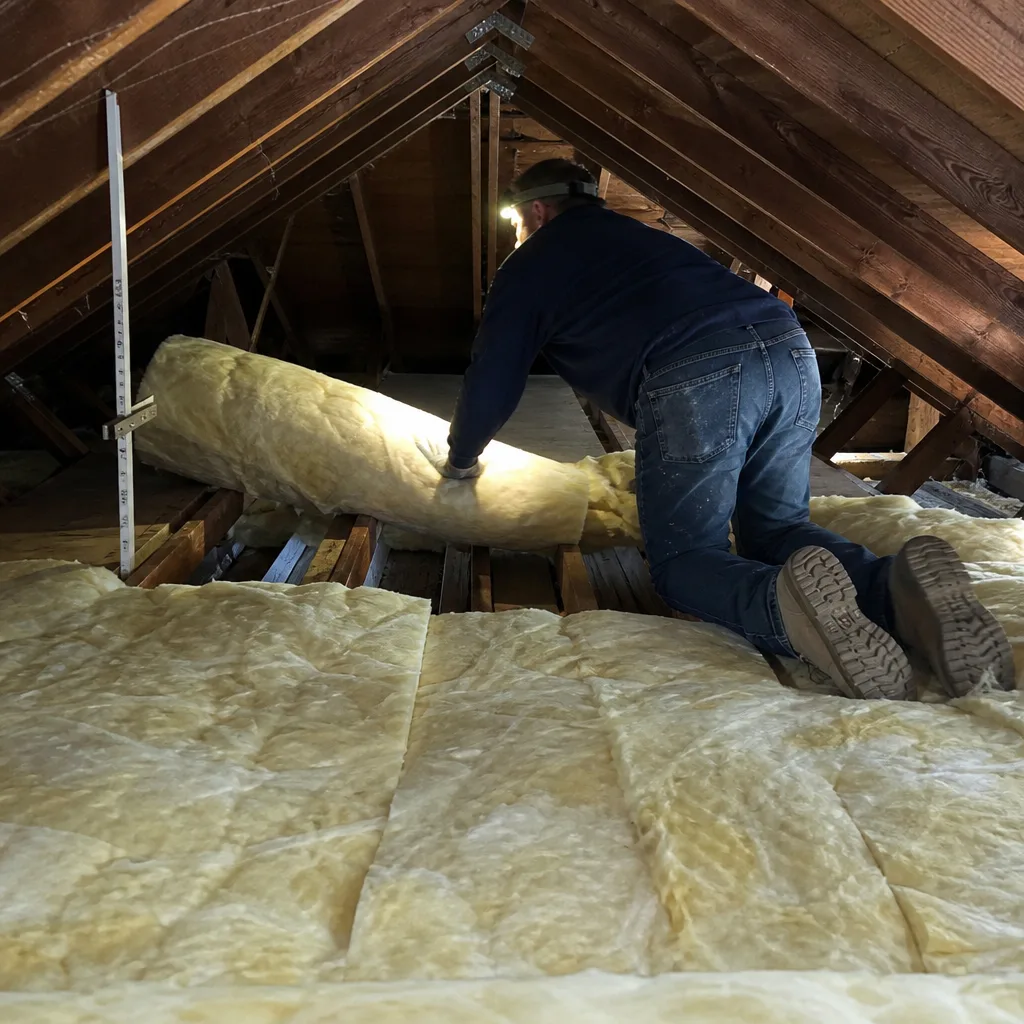
The cold-snap period tests insulation where it’s thinnest. Thermal bridging - localized paths where heat flows around insulation - becomes apparent when the temperature differential is highest. In Morgan Hill, this means December through February mornings, especially after clear nights when radiative cooling drops attic temperatures fastest.
The most common thermal bridges we find in Morgan Hill homes:
- Exterior wall top plates: Double top plates are structural code, but they’re solid wood, and wood conducts heat. In cold snaps, the ceiling drywall directly below exterior walls runs 5-10°F colder than the center of the room. Homeowners feel this as “cold walls” even when the heat is on.
- HVAC platform framing: The framed box that supports air handlers in attics is often uninsulated on the sides, creating a cold spot in the ceiling below.
- Recessed light housings: Even IC-rated fixtures are thin metal with minimal insulation value. In cold weather, they become cold spots that attract moisture.
- Attic access stairs: Pull-down stairs are essentially a hole in the envelope with a thin barrier. In cold snaps, the hallway below becomes the coldest zone in the house.
The diagnostic is simple: on a cold morning before the heating system cycles, walk the house with an infrared thermometer or thermal camera if available. Look for ceiling temperatures more than 5°F below the room ambient. Mark these spots. They indicate bridges, bypasses, or missing insulation.
In older Morgan Hill neighborhoods like downtown and the older sections of Madrone, we also find thermal bridging at balloon-framed walls - walls that extend from foundation to roof without a plate at the second floor. These were common in pre-1940s construction and create continuous exterior walls that bypass attic insulation entirely. If you own an older home in Morgan Hill, this is worth a professional assessment.
The response to thermal bridging depends on the bridge type. Top plates can be insulated with rigid foam strips cut to fit between rafters, extending over the plate. HVAC platforms need insulated boxes or spray foam application. Recessed lights may need replacement with airtight LED housings. Attic stairs need a properly insulated cover with weatherstripping.
We document every thermal bridge we find with photos, included in the Documented Photo Record on every visit. The homeowner receives these images with annotations, not as a sales tool, but as a record of what exists in their envelope. This matters when you sell - a Morgan Hill buyer in 2024 or 2025 increasingly asks for energy documentation, and a three-year performance log is more persuasive than a utility bill comparison.
Hecker Pass and the 101 Divide: Why West-Side Homes Differ
Morgan Hill’s geography is not neutral to envelope performance. The Hecker Pass corridor, carrying Highway 152 west toward Watsonville, channels marine air from the Monterey Bay into the western portion of the city. This matters for insulation care because moisture management needs differ significantly across US-101.
West of 101, in neighborhoods like Paradise Valley and the western reaches of Madrone, we see:
- Higher annual humidity exposure, especially June through August mornings
- More frequent fog events that wet roof surfaces and extend sheathing damp time
- Greater need for vapor-permeable insulation strategies - cellulose with proper drying potential, not vapor barriers on the wrong side
- More mold and mildew calls in attics where ventilation is marginal
East of 101, in Jackson Oaks, Coyote Creek, and the Foothill corridor toward Anderson Lake:
- Drier overall conditions but higher peak temperatures in August and September
- Greater radiant heat load on south and west roofs
- More cooling-dominated energy use, making bypass sealing the higher priority
- Less mold risk but more thermal degradation of asphalt shingle roofs, which affects attic temperature extremes
The practical difference: a west-side home with Knauf fiberglass batts in the attic may need more attention to vapor management and ventilation, while an east-side home with the same insulation may need more aggressive air sealing and radiant barrier consideration. One size does not fit Morgan Hill.
We’ve worked on both sides since 2016, and our written scopes reflect this. A Paradise Valley job last year included enhanced soffit ventilation after we measured sheathing moisture content at 18% - above the 16% threshold where mold risk escalates. A Jackson Oaks job the same month focused entirely on top-plate sealing and a GreenFiber blown-in cap over existing batts, with no ventilation changes needed because the attic was already dry.
If you don’t know which profile fits your home, the free second opinion we offer on any written estimate includes a moisture and ventilation assessment. Bring us a competing quote and we’ll read it with you, point by point.
Year-End Record-Keeping Template
A home without a performance log drifts into reactive maintenance. The homeowner who documents seasonal checks builds a baseline that catches problems early and supports decisions with data. Here’s the template we recommend, based on what we deliver after every Envelope Insulation Co. job:
Annual Insulation Performance Log
Property: _______________ Year Built: _______________ Square Feet: _______________
June-July Marine Layer Check
- Date inspected: _______________
- Weather: _______________ (temp, humidity, marine layer presence)
- Sheathing condition by zone: _______________
- Insulation moisture (dry / clumped / musty): _______________
- Fixtures checked: _______________
- Findings: _______________
- Action taken: _______________
August-September Radiant Heat Check
- Date inspected: _______________
- Peak attic temp: _______________
- Bypasses found (location): _______________
- Drywall discoloration noted: Y / N, location: _______________
- Thermal imaging requested: Y / N, date: _______________
- Action taken: _______________
October-November Pre-Winter Review
- Date inspected: _______________
- Attic hatch condition: _______________
- Top plate gaps found: Y / N, location: _______________
- Partition wall chases noted: _______________
- Weatherstripping replaced: Y / N
- Action taken: _______________
December-February Cold-Snap Assessment
- Date inspected: _______________
- Lowest overnight temp: _______________
- Thermal bridges found (location, type): _______________
- Ceiling temp differential: _______________
- Action taken: _______________
Annual Summary
- Blower-door reading (if performed): _______________ CFM50
- Insulation added or removed: _______________
- Professional work performed: _______________
- Planned for next year: _______________
Keep this log with your home files. When you sell, it demonstrates maintenance discipline. When you call for service, it gives us history that speeds diagnosis. When you wonder whether your energy bills are reasonable, it provides the envelope context that utility data alone cannot.
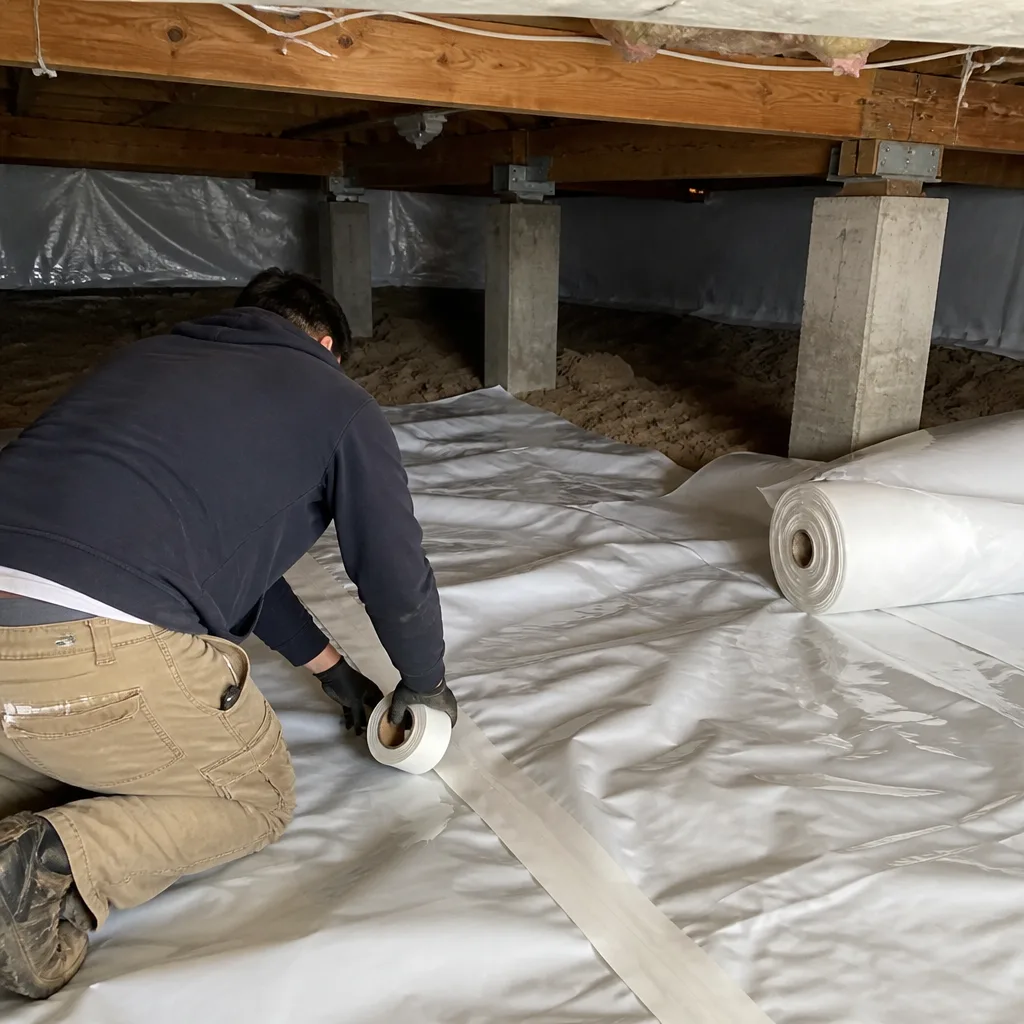
For homeowners considering Crawl Space Encapsulation & Vapor Barrier in Morgan Hill, the same logging principle applies - document moisture readings, vapor barrier condition, and drainage events seasonally.
Common Mistakes to Avoid
- Adding insulation over wet substrates. We’ve removed R-38 batts in Morgan Hill attics that were saturated from a slow roof leak the homeowner didn’t know existed. The new insulation masked the problem for two years while mold colonized the sheathing. Always inspect and dry before adding.
- Sealing attic ventilation to “save energy.” Some homeowners or handymen block soffit vents to “keep heat in.” This traps moisture and violates California Title 24 requirements for attic ventilation. Morgan Hill homes need breathing attics, especially west of 101.
- Ignoring the hatch. The attic hatch is the most accessible leak and the most commonly ignored. A 1/4-inch gap around a 22×30 inch hatch equals a 4-inch diameter hole in your ceiling. Weatherstrip it properly.
- Assuming R-value equals performance. R-value is measured in a lab with no air movement. An R-38 attic with bypasses performs like an R-19 attic that’s sealed. Air sealing first, then insulation - in that order. We won’t do it differently.
- Using the wrong insulation for the location. Standard fiberglass batts in a damp west-side Morgan Hill attic will sag and lose R-value within five years. Cellulose or spray foam may be more appropriate. The Spray Foam Insulation in Morgan Hill page covers applications where moisture resilience matters.
- Skipping the seasonal check because the house “feels fine.” The marine layer window feels fine - that’s the point. By August, the damage is done. The homeowners who call us in September with mold problems are the ones who felt fine in June.
- Not documenting. Without a log, every inspection starts from zero. With a log, you spot trends: sheathing darkening year over year, bypasses expanding, thermal bridges worsening. Documentation turns maintenance into prediction.
When to Call a Professional
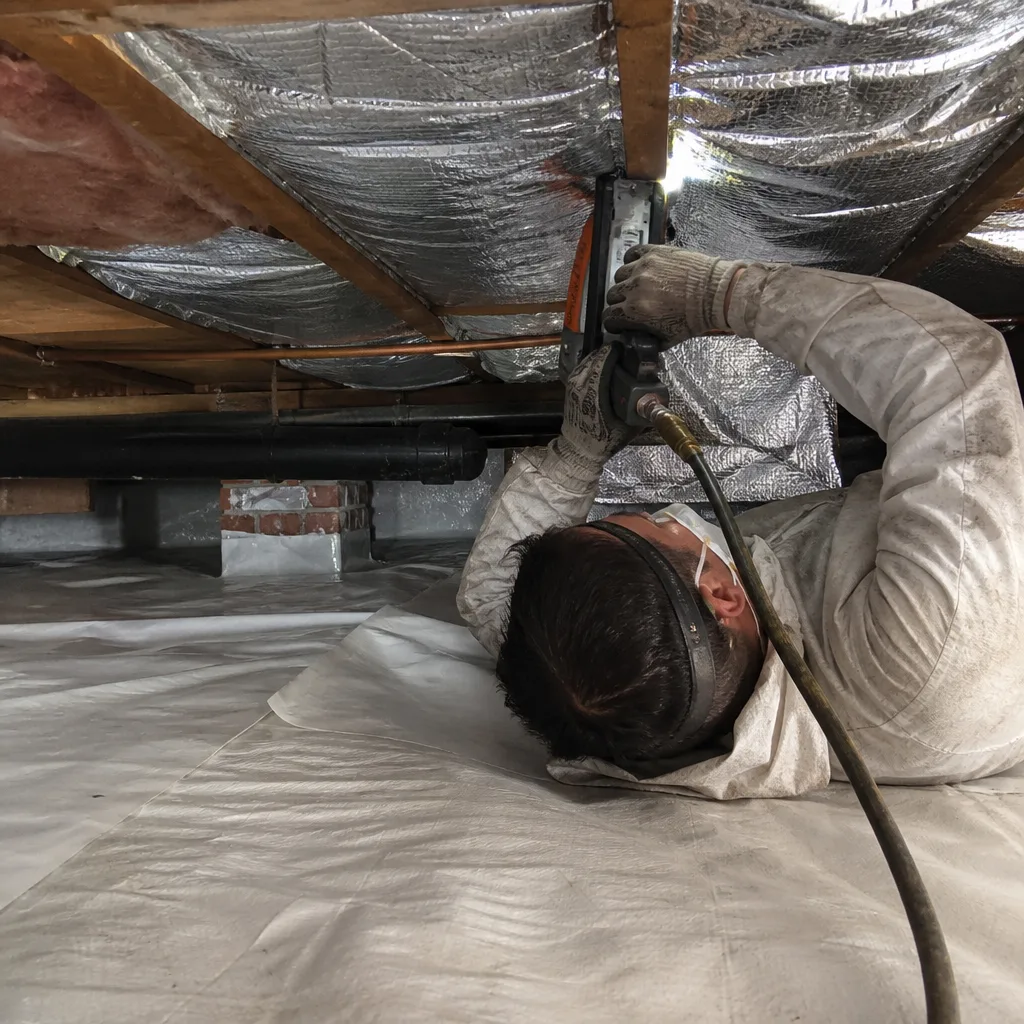
Some envelope work is within reach of a capable homeowner with a flashlight, a caulk gun, and a free Saturday. Some requires training, equipment, and safety protocols - see our DIY vs Professional Insulation guide for the Morgan Hill homeowner’s decision framework. Call a professional when you find moisture-damaged sheathing, when bypasses require attic floor disassembly, when thermal bridging involves structural modification, or when you simply don’t want to spend August afternoon hours in a 130°F attic.
Topside Attic Insulation Morgan Hill offers free estimates in Morgan Hill - call (669) 280-8103. Every estimate includes a written price before any work starts, a documented photo record of what we find, and on applicable jobs, before-and-after blower-door numbers. The 365-Day Done Right Promise applies to all completed work. If it’s not done right, we make it right, in writing.
Frequently Asked Questions
Most seasonal inspections you can perform yourself with a flashlight and infrared thermometer. Professional seasonal inspection and spot air sealing in a typical 2,000-square-foot Morgan Hill home runs between $280 and $550, depending on attic accessibility and the extent of sealing needed. Full envelope assessment with blower-door testing is additional. Call (669) 280-8103 for a written price - estimates are free, and we provide a free second opinion on any written estimate you’ve already received.
Simple sealing - attic hatch weatherstripping, visible gap caulking, foam sealant around plumbing penetrations - is within reach of most homeowners. Top-plate sealing, recessed light boxing, and chase blocking require working in confined spaces with proper respiratory protection and often involve electrical safety considerations. We recommend professional work for anything involving disassembly of attic floor components or near electrical fixtures. Our crews are background-checked, uniformed, and trained to the Haven Standard.
Properly installed, dry insulation in a sealed attic lasts 20-30 years. In Morgan Hill, we replace insulation most often due to moisture damage, rodent contamination, or homeowner preference for upgraded material - not age alone. If your insulation was installed before 1990, it may contain vermiculite and should be tested for asbestos before disturbance. We’ve handled insulation removal and replacement in Morgan Hill since 2016, with documented photo records of every job.
The Hecker Pass corridor channels marine air from Monterey Bay into western Morgan Hill, especially mornings in June and July. This extends roof surface wet time and raises attic humidity. East of US-101, the marine layer burns off faster and the drying potential is higher. West-side homes need more vigilant ventilation and vapor management, and may benefit from vapor-permeable insulation strategies that allow seasonal drying. We’ve specified different approaches for homes on opposite sides of the same neighborhood.
A proper audit includes blower-door testing - a pressurization reading that shows, in one number, how much air your building envelope is losing - thermal imaging during heating or cooling season, combustion safety testing if gas appliances exist, and a written report with prioritized recommendations. At Envelope Insulation Co., we deliver the report with photos, the blower-door numbers, and a written price for any recommended work. No work starts without that written price. Call (669) 280-8103 to schedule in Morgan Hill.
It helps less than most homeowners expect. R-value measures conductive heat flow in still air. Air bypasses allow convective heat flow that bypasses insulation entirely. We’ve audited Morgan Hill homes with R-49 attics that performed like R-25 because of unsealed top plates and can lights. Our protocol is sealed first, then insulated - we will not blow insulation over an unsealed attic floor. The blower-door numbers prove why: sealing typically reduces air leakage 30-50% before any new insulation goes in.
The Bottom Line
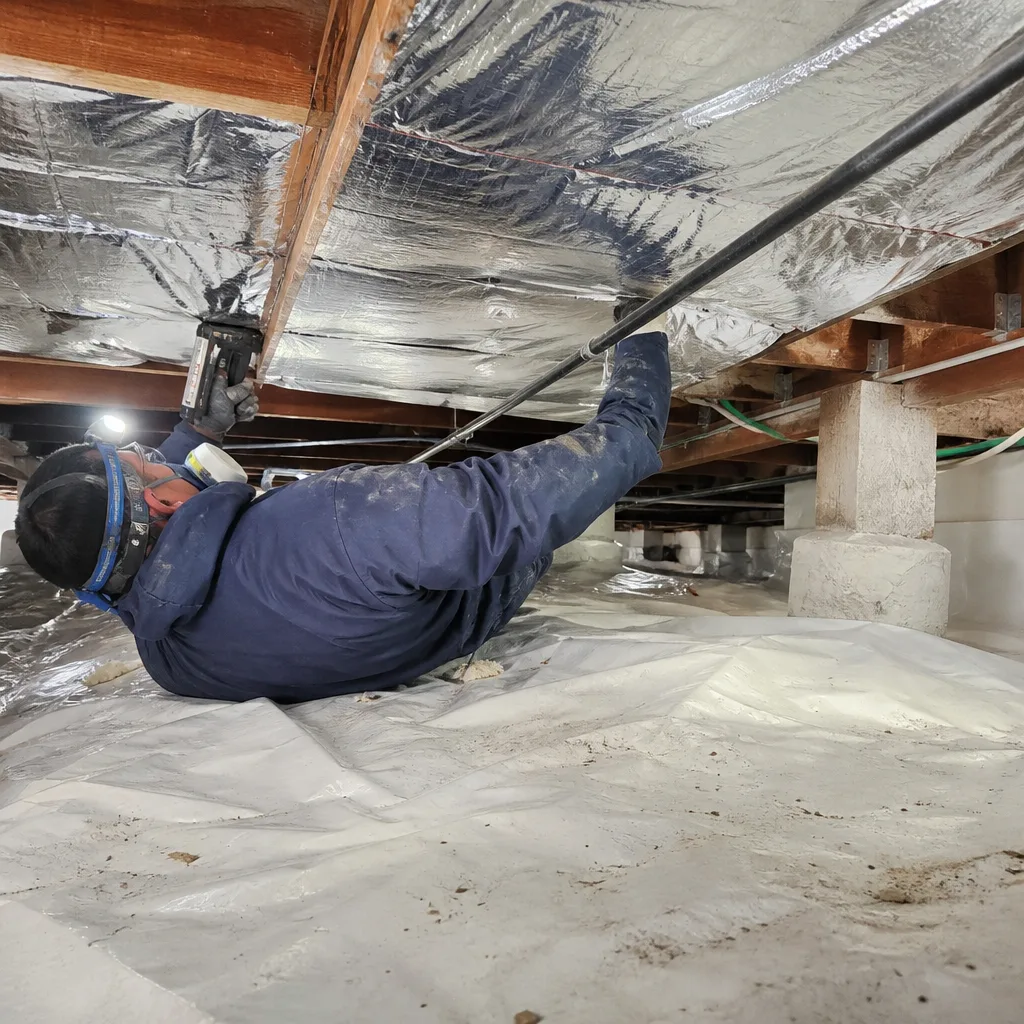
Morgan Hill’s climate demands four specific inspection windows, not a single annual check. The marine layer months test for moisture. The radiant heat months expose bypasses. The pre-winter window is your chance to seal before the cold arrives. The cold-snap period reveals thermal bridges that cost you comfort and money. Document each inspection, act on what you find, and your home develops a performance history instead of a maintenance gap. For homeowners who prefer professional assessment, Topside Attic Insulation Morgan Hill provides written prices before any work starts, documented photo records on every visit, and before-and-after blower-door numbers on applicable jobs. You can also explore more guides & resources on our blog. We’ve served Morgan Hill since 2016.
Written by Wes Okafor, Owner at Topside Attic Insulation Morgan Hill, serving Morgan Hill since 2016.